Savage Messiah
1972
No user ratings available yet
Diversity score: 6.3 out of 10
1988
RDirector
Ken Russell
Runtime
89 minutes
Average Rating
No ratings yetSynopsis
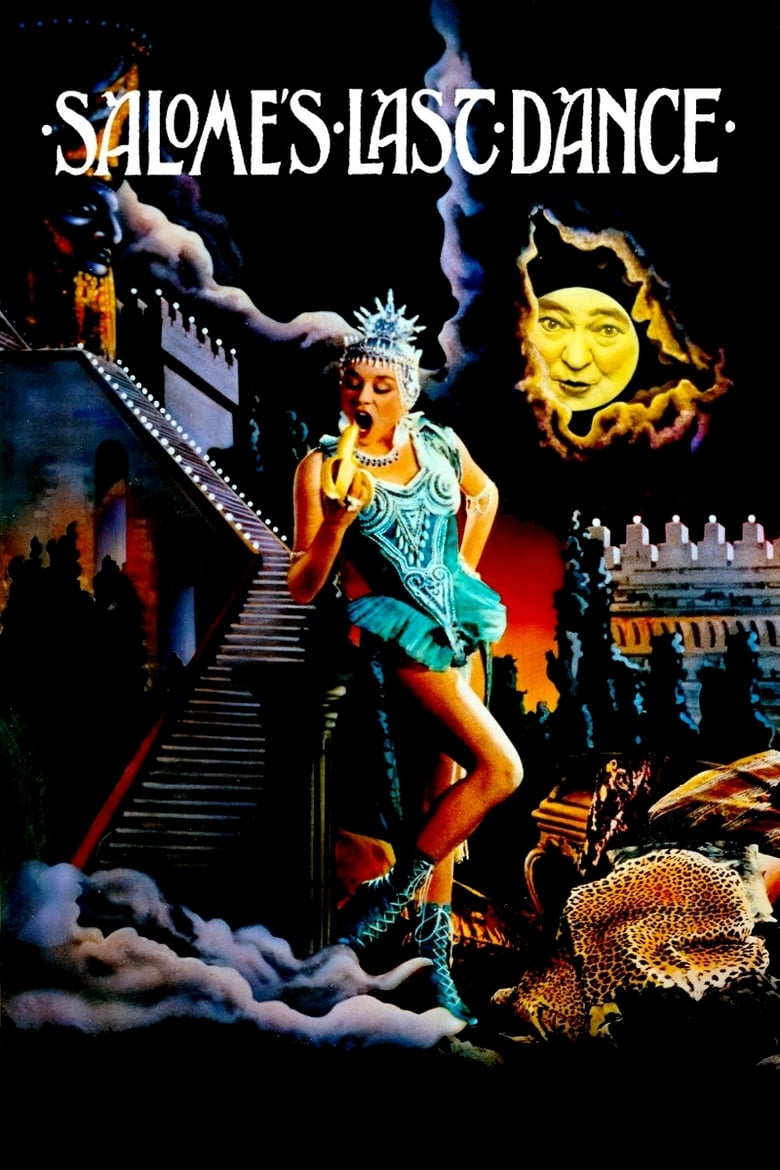
London, England, November 5th, 1892, Guy Fawkes Night. The famous playwright Oscar Wilde and his lover Lord Alfred Douglas discreetly go to a luxury brothel where the owner, Alfred Taylor, has prepared a surprise for the renowned author: a private and very special performance of his play Salome, banned by the authorities, in which Taylor himself and the peculiar inhabitants of the exclusive establishment will participate.
Overall Score
Fair
Category Breakdown
LGBTQ+ Representation
The film centers on the relationship between Oscar Wilde and Lord Alfred Douglas. It uses queer identity as a core dramatic element rather than a peripheral subplot. The setting serves as a sanctuary for non-heteronormative expression.
Gender Representation
Female characters utilize sexuality and dance as tools of agency within a patriarchal structure. They act as active participants in the film's psychological momentum. The narrative subverts traditional Victorian gender hierarchies through complex power dynamics.
Racial & Ethnic Diversity
The cast remains largely homogeneous, reflecting the Anglo-centric high society of late 19th-century London. There is no significant evidence of intentional racial blending. The focus stays on the Western literary elite.
Religious & Cultural Diversity
The narrative critiques the restrictive moralism of religious and legal institutions. It prioritizes individual desire and aesthetic experience over traditional Christian morality. The film deconstructs the perceived stability of Western social norms.
Disability Representation
The film focuses on psychological intensity and the volatility of desire. However, it lacks prominent depictions of physical or neurodivergent disabilities. These themes are explored through emotional states rather than disability agency.
Strengths
Areas for Improvement
AI Analysis
Ken Russell’s film excels by placing queer historical figures at the center of its narrative architecture. By focusing on Wilde and Douglas, it moves beyond mere inclusion to explore the depth of non-heteronormative dynamics within a decadent, stylized setting. The production successfully challenges the moral rigidity of the Victorian era, using a clandestine setting to critique institutional authority. This creates a sophisticated engagement with cultural relativism and artistic expression. However, the film is limited by a lack of racial diversity, remaining tethered to a homogeneous, Anglo-centric milieu. It also lacks meaningful representation of physical or neurodivergent disabilities, focusing instead on psychological obsession.
1972
1987
1967
2017
1992
1970
1998
1990
2009
1972
1919
1989
No reviews yet. Be the first to share your thoughts on this movie!
Use the rating form above to leave a star rating and optional review.