The Angelic Conversation
1987
No user ratings available yet
Diversity score: 7.5 out of 10
1990
Director
Derek Jarman
Runtime
88 minutes
Average Rating
No ratings yetSynopsis
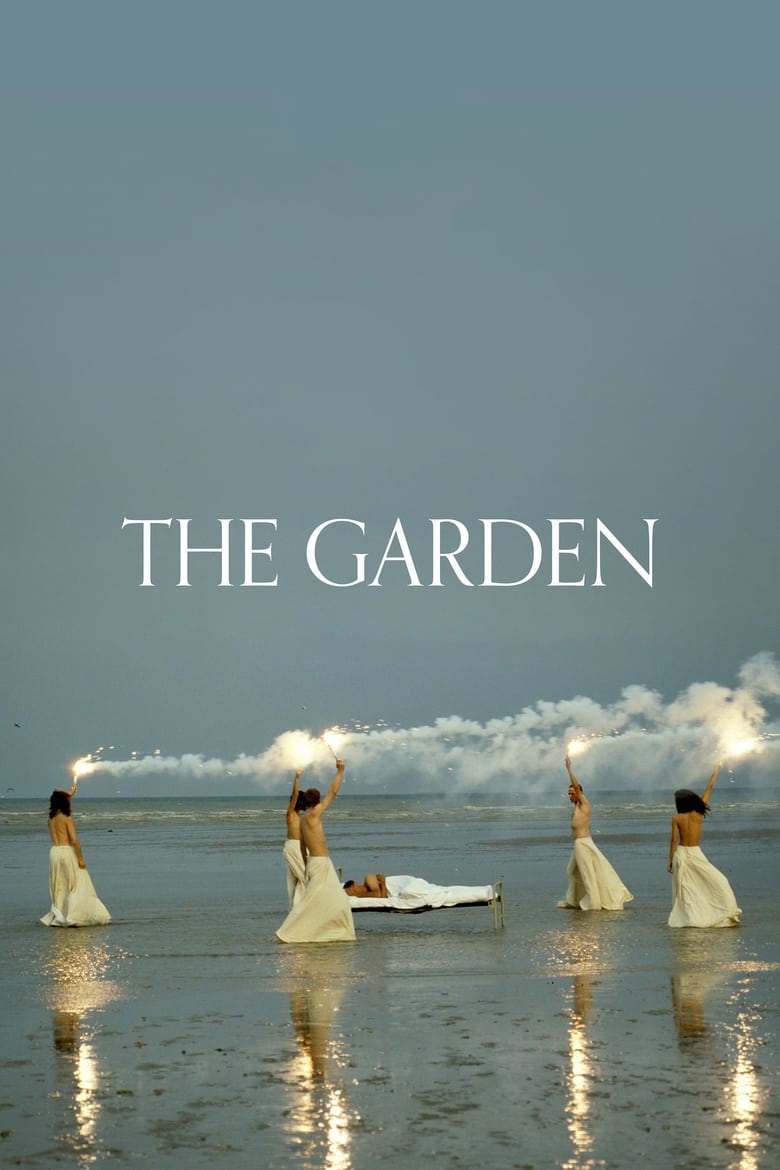
A nearly wordless visual narrative intercuts two main stories and a couple of minor ones. A woman, perhaps the Madonna, brings forth her baby to a crowd of intrusive paparazzi; she tries to flee them. Two men who are lovers marry and are arrested by the powers that be. The men are mocked and pilloried, tarred, feathered, and beaten. Loose in this contemporary world of electrical-power transmission lines is also Jesus. The elements, particularly fire and water, content with political power, which is intolerant and murderous.
Overall Score
Good
Category Breakdown
LGBTQ+ Representation
The film centers on two men who are lovers and depicts their marriage. It highlights the systemic persecution they face through state-sanctioned violence and mockery.
Gender Representation
A maternal figure, evoking the Madonna, confronts the intrusive gaze of paparazzi. This serves as a critique of how the female form is commodified by society.
Racial & Ethnic Diversity
The narrative focuses on European-centric visual history and the English landscape. It lacks a significant presence of non-white or non-Anglo-Saxon characters.
Religious & Cultural Diversity
The film critiques religious and political authorities as intolerant and murderous. It juxtaposes sacred imagery with political violence to challenge traditional Western institutions.
Disability Representation
There is no explicit focus on disability or neurodivergence. Bodies are used as symbolic vessels for themes of passion and divinity rather than exploring specific lived experiences.
Strengths
Areas for Improvement
AI Analysis
Derek Jarman’s *The Garden* is a fragmented, experimental visual essay that prioritizes queer aesthetics and the subversion of mainstream cinematic structures. By centering a queer relationship and its subsequent persecution, the film offers a radical challenge to heteronormative societal norms. While the film excels in its intellectual critique of institutionalized power and religious authority, its demographic diversity is limited. The focus remains largely on European landscapes and symbolic archetypes rather than a diverse cast of characters. Ultimately, the work functions as a postmodern collage. It trades traditional character arcs for a sensory exploration of passion, divinity, and the predatory nature of the social gaze.
1987
1987
1967
1970
1991
1987
2003
1998
1967
1965
1983
1992
No reviews yet. Be the first to share your thoughts on this movie!
Use the rating form above to leave a star rating and optional review.