Marquis de Sade
1996
No user ratings available yet
Representation score: 3.5 out of 10
Representation Score
Good
1967
Director
Ken Russell
Runtime
87 minutes
Average Rating
No ratings yetNew Showbiz Analysis
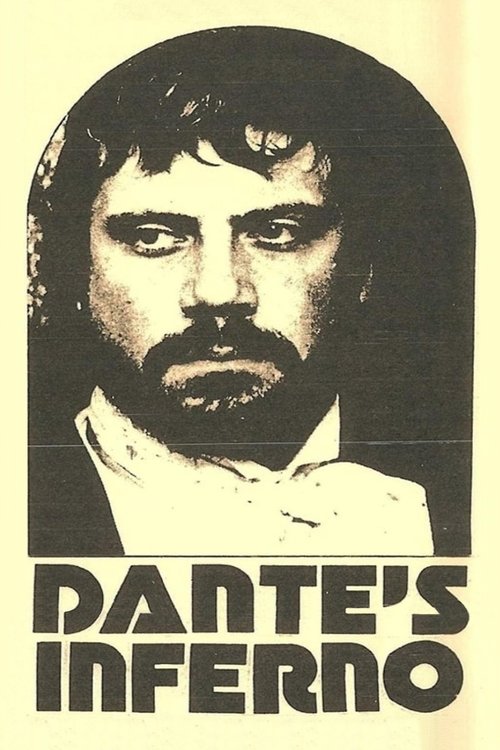
Ken Russell’s adaptation is a stylistic rebellion that uses avant-garde aesthetics to deconstruct traditional moral and religious frameworks. It succeeds in challenging gender roles and exploring complex human desires through a postmodernist lens. However, the film relies heavily on the grotesque as a narrative device. This approach often uses physical differences and non-naturalistic design as symbols for sin, which limits the depth of its social representation. Ultimately, the work is more interested in psychological transgression than sociopolitical diversity. It offers a visually rich, subversive experience that prioritizes symbolic meaning over multi-layered realism.
Category Breakdown
The film explores non-traditional desires and sexual transgressions through a surrealist lens. It portrays passion as a destabilizing force that challenges conventional relationships, moving beyond simple stereotypes to depict nuanced, non-traditional intimacy.
Female figures like Francesca da Rimini are portrayed as central drivers of passion rather than passive victims. The narrative challenges traditional hierarchies by focusing on complex, tragic roles instead of domestic clichés.
Diversity is primarily aesthetic, using stylized and grotesque costume design. The film lacks intentional multi-layered casting, opting for symbolic, archetypal representations of humanity rather than specific ethnic identities.
The film challenges Catholic concepts of divine judgment through a fragmented, surrealist style. It blurs the lines between the divine and the psychological, favoring moral relativism over rigid religious authority.
Physical deformity is used frequently as a visual metaphor for spiritual decay. While visually striking, these depictions serve as symbols for sin rather than providing characters with genuine ability to act.
Present on Screen
Limited or Absent
Official Synopsis
The story of the influential 19th century British poet Dante Gabriel Rossetti and his troubled and somewhat morbid relationship with his wife and his art.
1996
1988
2009
1986

2017
2014
2003
2003
No reviews yet. Be the first to share your thoughts on this movie!
Use the rating form above to leave a star rating and optional review.