Diary of a Chambermaid
2015
No user ratings available yet
Diversity score: 6.5 out of 10
1972
RDirector
Ken Russell
Runtime
103 minutes
Average Rating
No ratings yetSynopsis
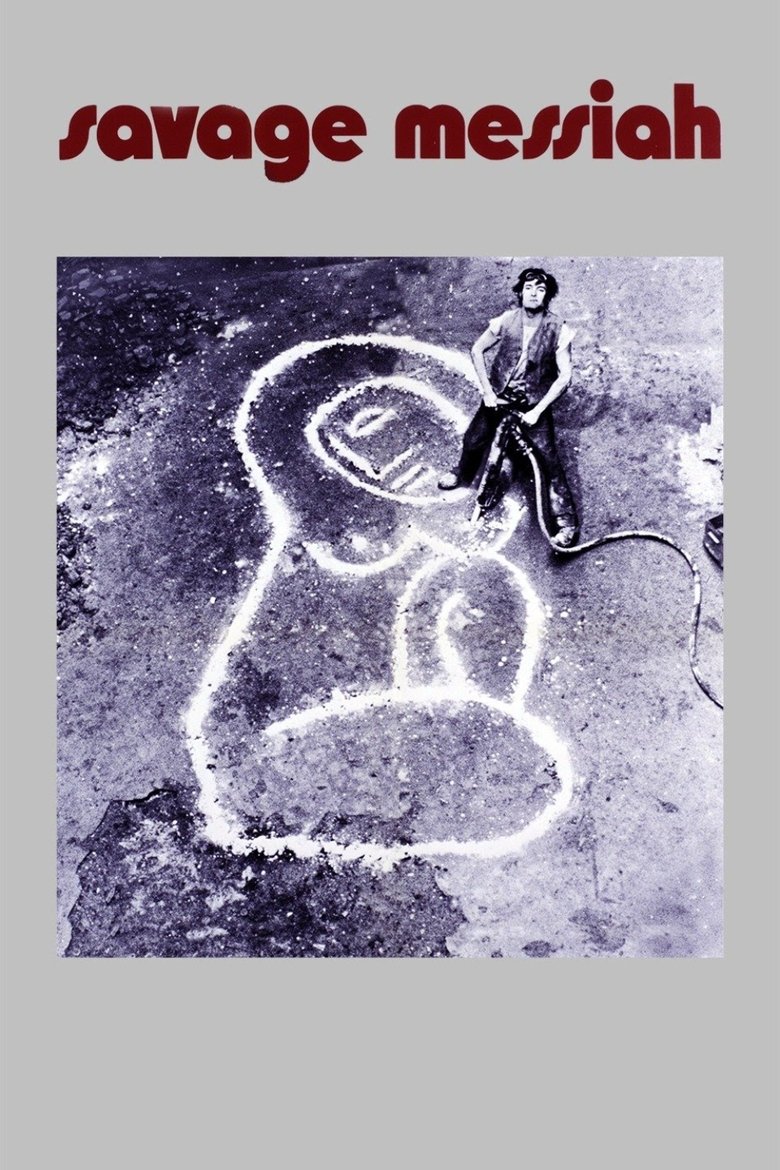
In the Paris of the 1910s, brash young sculptor Henri Gaudier begins a creative partnership with an older writer, Sophie Brzeska. Though the couple is 20 years apart in age, Gaudier finds that his untamed work is complemented by the older woman's cultural refinement. He then moves to London with Brzeska, where he falls in with a group of avant-garde artists. There, Gaudier encounters yet another artistic muse in passionate suffragette Gosh Boyle.
Overall Score
Good
Category Breakdown
LGBTQ+ Representation
The film lacks explicit LGBTQ+ identities or same-sex intimacy. While it explores non-traditional lifestyles and rejects heteronormative social expectations, it lacks specific identity-driven character arcs.
Gender Representation
The narrative disrupts hierarchies by centering intellectual friction between men and women. Sophie Brzeska possesses significant agency, while the suffragette Gosh Boyle introduces themes of female political power.
Racial & Ethnic Diversity
The film explores the friction between European civilization and indigenous cultures. However, Tahitian life is often filtered through the protagonist's subjective experience, limiting the agency of indigenous characters.
Religious & Cultural Diversity
The film demonstrates high cultural subversion by critiquing Western bourgeois morality and Catholicism. It frames the rejection of traditional religious and family structures as necessary artistic liberation.
Disability Representation
There is no evidence of characters with visible or invisible disabilities driving the narrative or serving as central thematic elements.
Strengths
Areas for Improvement
AI Analysis
Ken Russell’s direction focuses on the aggressive deconstruction of Western institutional authority. The film succeeds in challenging religious and patriarchal norms, presenting a narrative of moral relativism and artistic liberation. However, the work struggles with intersectional depth. While it critiques Western hegemony, the perspectives of non-Western cultures remain tethered to the protagonist's viewpoint rather than possessing independent agency. Ultimately, the film is a study of social and spiritual rebellion. It prioritizes the subversion of traditional social orders over a broad, modern spectrum of identity representation.
2015
2011

1973

2000
1977
1959

1971
1965
2019
1983

2017
2006
No reviews yet. Be the first to share your thoughts on this movie!
Use the rating form above to leave a star rating and optional review.