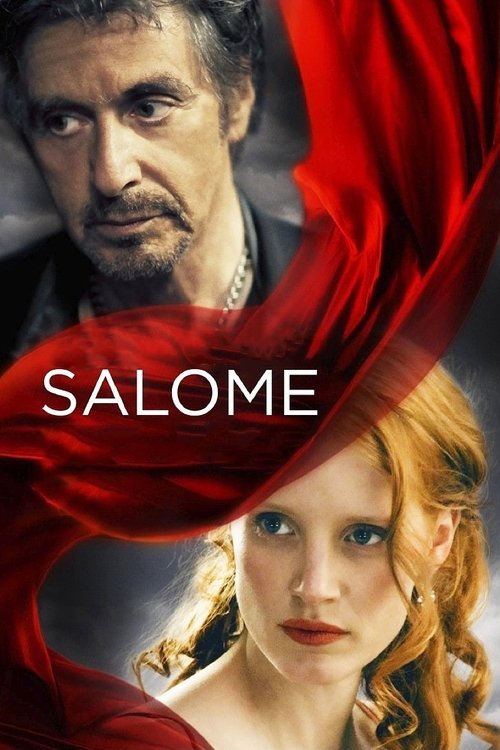
Salomé
2013
No user ratings available yet
Diversity score: 4.8 out of 10

1972
Director
Carmelo Bene
Runtime
80 minutes
Average Rating
No ratings yetSynopsis
Salome is the daughter of the second wife of King Herod. The King is infatuated with her and, after she fails to seduce the prophet John The Baptist, she dances for the King in order to ask for his execution.
Overall Score
Good
Category Breakdown
LGBTQ+ Representation
The film utilizes queer aesthetics and camp to challenge heteronormative structures. It prioritizes gender ambiguity and androgyny, presenting identity as a performative artifice rather than a fixed biological reality.
Gender Representation
Bene dismantles traditional gender hierarchies through highly stylized, theatrical performances. The film avoids tropes of submissive femininity, instead presenting fluid power dynamics through a lens of decadence.
Racial & Ethnic Diversity
The production features a predominantly white, European cast. While not traditional whitewashing, the homogeneous demographic lacks intersectional breadth and racial variety.
Religious & Cultural Diversity
The narrative offers a profound critique of organized religion by stripping sanctity from figures like John the Baptist. It replaces religious dogma with moral relativism and aestheticized transgression.
Disability Representation
There is no significant evidence regarding the portrayal of visible or invisible disabilities. No characters are utilized as subjects of mockery or plot devices related to disability.
Strengths
Areas for Improvement
AI Analysis
Carmelo Bene’s Salomé is a radical deconstruction of sacred and gendered narratives. It succeeds by using postmodernism and camp to disrupt conventional storytelling, favoring sensory experience and identity fluidity over traditional moral frameworks. The film's strength lies in its sophisticated subversion of authority and gender. By treating gender as performative and religious dogma as something to be critiqued, it creates a progressive, deconstructive cinematic experience. However, the film is limited by a lack of racial diversity. The homogeneous European cast prevents the work from achieving true intersectional breadth, despite its high marks in queer and cultural subversion.
2013
1988
1969
1969

1967

1973
1968
1977

1979

2017
1969
1974
No reviews yet. Be the first to share your thoughts on this movie!
Use the rating form above to leave a star rating and optional review.