
Montreal Main
1974
No user ratings available yet
Representation score: 6.6 out of 10
Representation Score
Good
1992
RDirector
Tom Kalin
Runtime
93 minutes
Average Rating
No ratings yetNew Showbiz Analysis
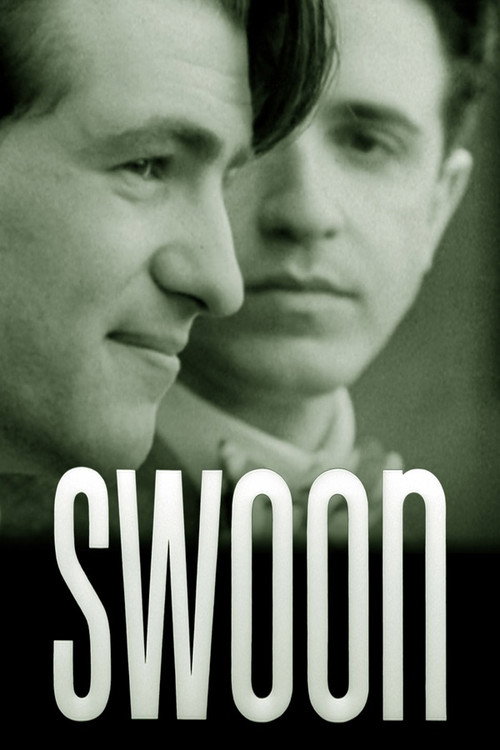
Swoon is a landmark of New Queer Cinema that deconstructs the true-crime genre through a postmodern lens. It prioritizes the subjective, destructive emotional landscapes of its protagonists over traditional moralistic frameworks. The film excels in its subversion of traditional social structures and straight-centered intimacy. However, it is limited by its historical setting and specific subject matter, resulting in a lack of racial and ethnic diversity.
Category Breakdown
The film focuses on intense, volatile sexual bonds between male characters, exploring non-traditional desires through a lens of psychological obsession. It goes beyond simple presence to delve into non-straight relationships.
The narrative challenges traditional hierarchies by giving significant roles to female perspectives. It explores female subjectivity and desire rather than portraying women as passive observers of male violence.
The cast is predominantly white, reflecting the demographic homogeneity of the 1930s setting. The story functions as a localized study of a specific Anglo-Saxon social stratum.
The film rejects traditional Christian morality in favor of moral relativism. It deconstructs social and familial norms by framing anti-social behavior as a form of psychological liberation.
The film provides a nuanced portrayal of neurodivergence and psychological instability. It treats mental states as complex driving forces rather than tools for pity or mockery.
Present on Screen
Limited or Absent
Official Synopsis
Teenagers Nathan Leopold Jr. and Richard Loeb share a dangerous sexual bond and an amoral outlook on life. They spend afternoons breaking into storefronts and engaging in petty crimes, until the calculating Nathan ups the ante by kidnapping, and murdering, a young boy.
1974
1986
1993

1969

1995
1977
2005
1980
No reviews yet. Be the first to share your thoughts on this movie!
Use the rating form above to leave a star rating and optional review.