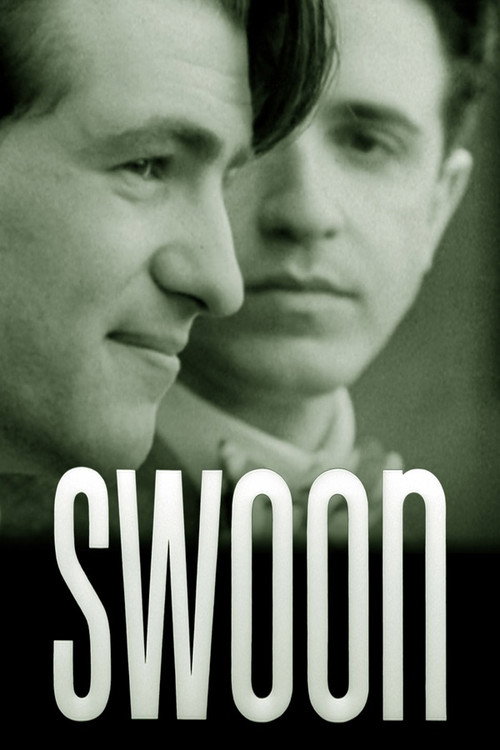
Swoon
1992
No user ratings available yet
Representation score: 8.0 out of 10

Representation Score
Good
1987
RDirector
Stephen Frears
Runtime
111 minutes
Average Rating
No ratings yetNew Showbiz Analysis
Stephen Frears presents a psychologically complex biographical drama that delves into the lived experiences of queer men. By focusing on the friction between Orton’s success and Halliwell’s alienation, the film goes beyond surface-level representation to explore the nuances of same-sex intimacy. The film successfully dismantles mid-century social norms and challenges traditional patriarchal stability. It uses the protagonists' struggles against a restrictive system to offer a sharp critique of the era's moral landscape. However, the film is constrained by its historical context, which results in a lack of racial and multi-layered diversity. Additionally, while it touches on mental health, these elements primarily serve the tragic narrative arc rather than providing a deeper exploration of disability.
Category Breakdown
The film focuses on the intimate and tumultuous relationship between Joe Orton and Kenneth Halliwell. It examines the psychological pressures faced by those who do not conform to heterosexual norms during a time of intense social repression.
The narrative challenges traditional gender roles by emphasizing the intellectual ability to act of the main characters. It portrays the home environment as a place of emotional vulnerability and instability.
Given the demographic homogeneity of mid-20th century Britain, the film operates within a predominantly white social framework. There is a lack of significant diversity in the primary storylines.
The story critiques rigid moral and legal systems by highlighting the tension between personal identity and societal expectations. It portrays complex, flawed individuals navigating a restrictive social landscape.
The film addresses the psychological impact of social isolation through Kenneth Halliwell. However, mental health issues are primarily used to advance the tragic plot rather than exploring the experiences of neurodivergent individuals.
Present on Screen
Limited or Absent
Official Synopsis
When the young, attractive Joe Orton meets the older, more introverted Kenneth Halliwell at drama school, he befriends the kindred spirit and they start an affair. As Orton becomes more comfortable with his sexuality and starts to find success with his writing, Halliwell becomes increasingly alienated and jealous, ultimately tapping into a dangerous rage.
1992

1970

1974

2012
1995

1991

1989

1980
No reviews yet. Be the first to share your thoughts on this movie!
Use the rating form above to leave a star rating and optional review.