Vapors
1965
No user ratings available yet
Representation score: 6.0 out of 10
Representation Score
Good
1970
RDirector
William Friedkin
Runtime
120 minutes
Average Rating
No ratings yetNew Showbiz Analysis
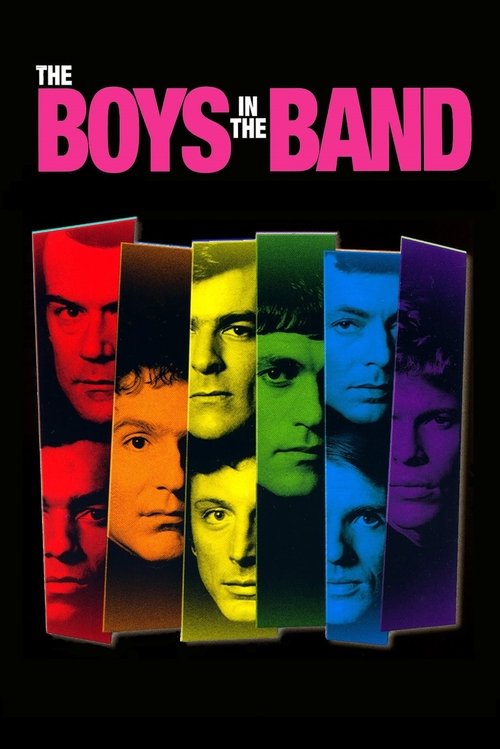
William Friedkin’s film stands as a landmark of queer cinema, offering rare narrative ability to act to LGBTQ+ characters. By focusing on their internal lives and interpersonal conflicts, it disrupts traditional cinematic roles for underrepresented groups. The film excels at deconstructing social structures, particularly addressing the psychological impact of religious and societal repression. It replaces standard morality with a complex, painful exploration of identity. However, the work is limited by its predominantly white cast and minimal female presence, which restricts its multi-layered impact.
Category Breakdown
The film focuses on the internal lives and relationships of gay men, exploring the psychological impact of living in the closet and experiencing same-sex intimacy without a straight-centered perspective.
The story challenges traditional ideas of masculinity by highlighting male vulnerability and emotions. However, the near-absence of female characters limits the exploration of broader gender dynamics.
The cast is predominantly white, reflecting the specific social circles of Manhattan. This lack of diverse representation prevents a broader exploration of systemic oppression.
The film offers a sophisticated look at religious guilt and societal norms, emphasizing individual authenticity over restrictive moral frameworks of the time.
While physical disabilities are not a focus, the film provides a profound study of mental health. It examines the psychological trauma caused by living within a restrictive social hierarchy.
Present on Screen
Limited or Absent
Official Synopsis
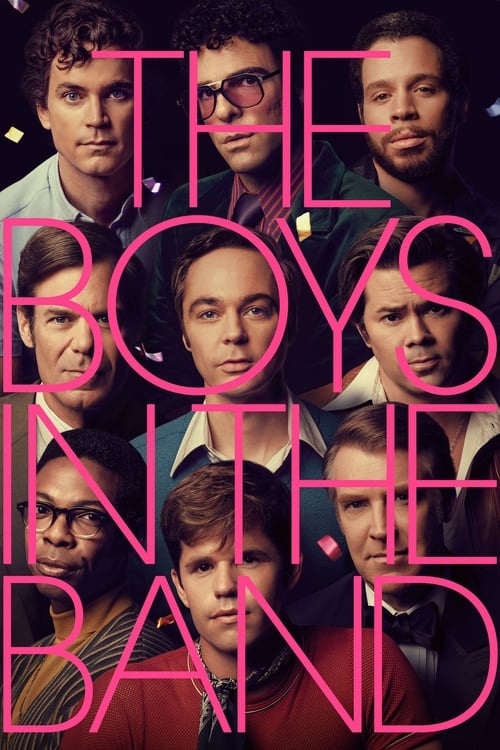
Harold is celebrating a birthday, and his friend Michael has drafted some other friends to help commemorate the event. As the evening progresses, an unexpected guest shows up, the alcohol flows, the knives come out, and dormant and unspoken emotions are unleashed.
1965
1987
2020
2012

1974
1969
1999
2019
No reviews yet. Be the first to share your thoughts on this movie!
Use the rating form above to leave a star rating and optional review.