The Boys in the Band
1970
No user ratings available yet
Diversity score: 6.5 out of 10
1919
Not RatedDirector
Richard Oswald
Runtime
51 minutes
Average Rating
No ratings yetSynopsis
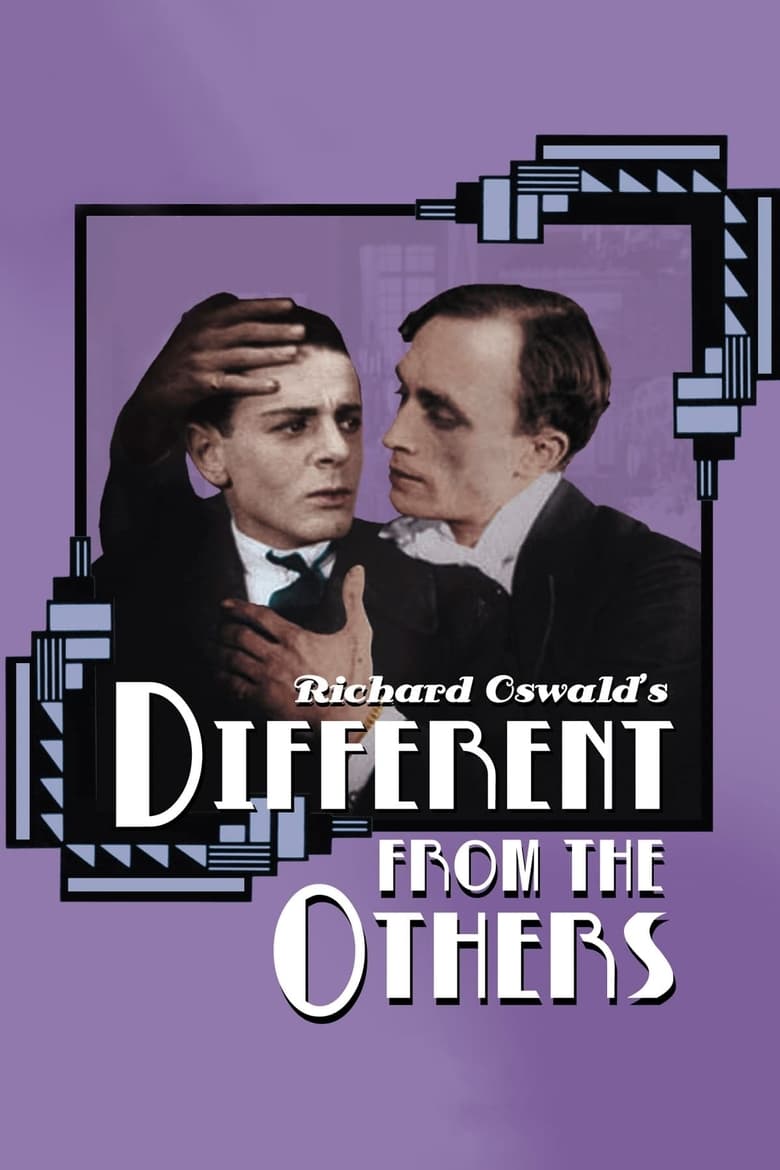
Conrad Veidt plays a famous musician who is blackmailed for being gay. Eventually he stands trial and is convicted. At the end the film pleads for the abolition of §175 (the law that punishes homosexuality).
Overall Score
Excellent
Category Breakdown
LGBTQ+ Representation
This seminal work centers the lived experience of a gay man, played by Conrad Veidt. It frames queer identity as a human reality rather than a moral failing, directly challenging the systemic persecution of the era.
Gender Representation
The film subverts traditional masculine archetypes by focusing on a male protagonist's emotional vulnerability. It highlights the psychological toll of forced conformity within the rigid social structures of 1919.
Racial & Ethnic Diversity
The narrative and historical context focus exclusively on the social and legal struggles of the Weimar era. There is no significant evidence of racial or ethnic diversity within the cast.
Religious & Cultural Diversity
The story functions as a critique of Western institutions and the state. It challenges the era's singular morality by portraying the legal system as an architect of destruction for the individual.
Disability Representation
The film explores the psychological despair resulting from societal ostracization. While it depicts mental health struggles caused by external pressure, it lacks the agency-driven empowerment found in modern narratives.
Strengths
Areas for Improvement
AI Analysis
Richard Oswald’s film is a landmark of early social advocacy, utilizing the medium to dismantle oppressive norms. By centering a narrative on the persecution of a gay musician, it moves beyond mere representation into active political critique. The film's strength lies in its intentionality, specifically its plea for the abolition of §175. It successfully reframes the 'deviant' as a sympathetic figure against a destructive state, marking it as a precursor to modern identity-based storytelling. While the film excels in queer advocacy and cultural critique, it remains limited by the era's social structures. It lacks racial diversity and focuses on psychological distress rather than proactive disability empowerment.
1970

2001

2019

2013
1978

2019

1993

2020

2020
1958

2017

1975
No reviews yet. Be the first to share your thoughts on this movie!
Use the rating form above to leave a star rating and optional review.