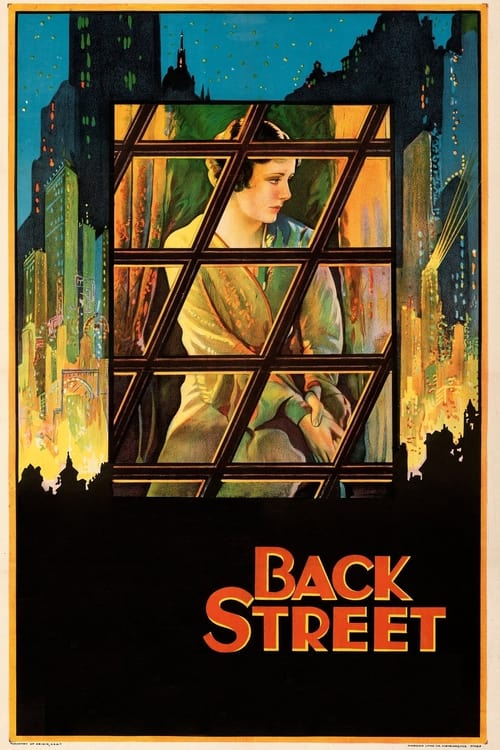
Back Street
1932
No user ratings available yet
Diversity score: 2.9 out of 10
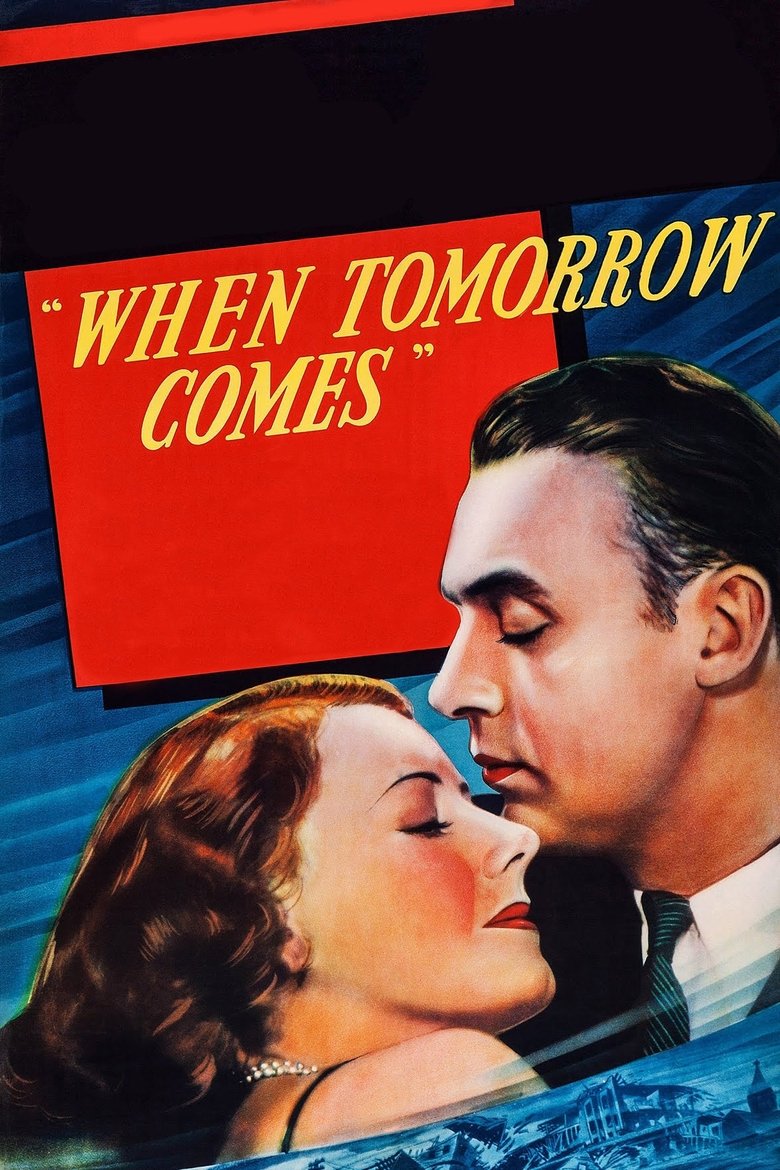
1939
NRDirector
John M. Stahl
Runtime
92 minutes
Average Rating
No ratings yetSynopsis
A waitress destined for a better life falls in love with a handsome stranger, only to find that he is already married.
Overall Score
Limited
Category Breakdown
LGBTQ+ Representation
The narrative is built entirely around a heteronormative romantic conflict. There is no evidence of queer subtext or non-cisnormative identities present in the story.
Gender Representation
The female protagonist's agency is largely defined by her emotional reaction to a man's marital status. The film reinforces conventional gendered tropes and patriarchal stability.
Racial & Ethnic Diversity
The production reflects the homogeneous casting standards of the 1930s. The setting and archetypes suggest an ethnically uniform depiction of small-town life.
Religious & Cultural Diversity
The film prioritizes traditional Western values regarding marriage and social standing. It explores the consequences of deviating from established social norms rather than deconstructing them.
Disability Representation
There are no discernible depictions of physical or neurodivergent characters. The focus remains strictly on the central interpersonal romantic dilemma.
Strengths
Areas for Improvement
AI Analysis
This 1939 melodrama functions as a quintessential product of the studio era, adhering strictly to the social and moral hierarchies of its time. The narrative architecture prioritizes conventional romantic structures and heteronormative outcomes over any systemic critique. The film lacks diversity across almost all metrics, reflecting the era's emphasis on moral stability and homogeneous casting. It reinforces traditional gender roles and Western social frameworks rather than challenging them. Ultimately, the work serves as a standard romantic drama that maintains the status quo of the period's social and racial norms.
1932
1930

1936
1938
1927

1936
1933
1940

1947

1933
1939

1934
No reviews yet. Be the first to share your thoughts on this movie!
Use the rating form above to leave a star rating and optional review.