Love
1927
No user ratings available yet
Diversity score: 2.3 out of 10

1936
NRDirector
Edward H. Griffith
Runtime
87 minutes
Average Rating
No ratings yetSynopsis
A young married couple's relationship becomes strained when he is assigned overseas as a foreign correspondent and she becomes a major stage star.
Overall Score
Minimal
Category Breakdown
LGBTQ+ Representation
The film focuses on a traditional heterosexual marriage. There is no evidence of queer identities or non-cisnormative gender expressions within the narrative.
Gender Representation
The female protagonist achieves significant professional success as a stage star. However, the plot frames her ambition through the lens of its impact on marital stability.
Racial & Ethnic Diversity
The production likely adheres to the homogeneous casting standards of 1930s Hollywood. The narrative appears to prioritize Anglo-Saxon archetypes as the default social norm.
Religious & Cultural Diversity
Themes center on romanticism and professional duty rather than institutional critique. The story emphasizes social cohesion and the preservation of the marital bond.
Disability Representation
There is no information suggesting that disability or neurodivergence plays a role in the character arcs or plot mechanics.
Strengths
Areas for Improvement
AI Analysis
Next Time We Love is a product of the 1930s studio system, prioritizing conventional romantic drama over social subversion. The narrative structure reinforces the era's established social hierarchies and heteronormative domesticity. While the film offers a glimpse of female agency through a successful stage career, the central conflict remains tethered to traditional marital expectations. The lack of diverse casting or non-traditional identities reflects the period's standard cinematic conventions. Ultimately, the film functions as a standard period drama. It seeks to uphold social cohesion rather than deconstruct or challenge the cultural norms of its time.
1927

1942
1939

1933

1939
1933

1939

1936

1947
1934
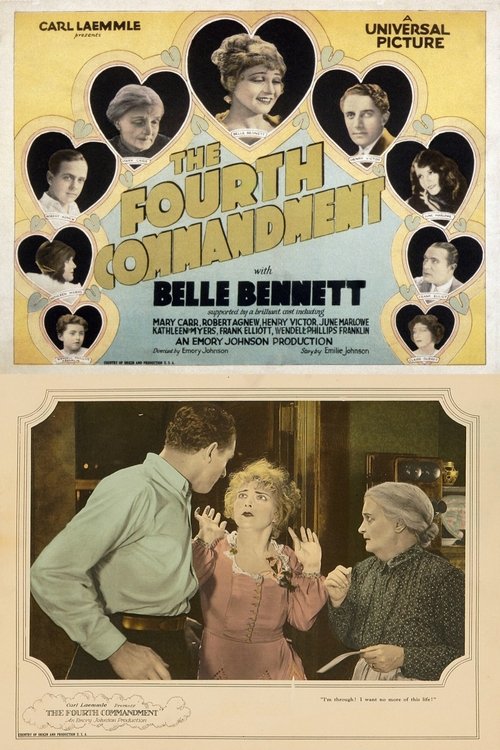
1927
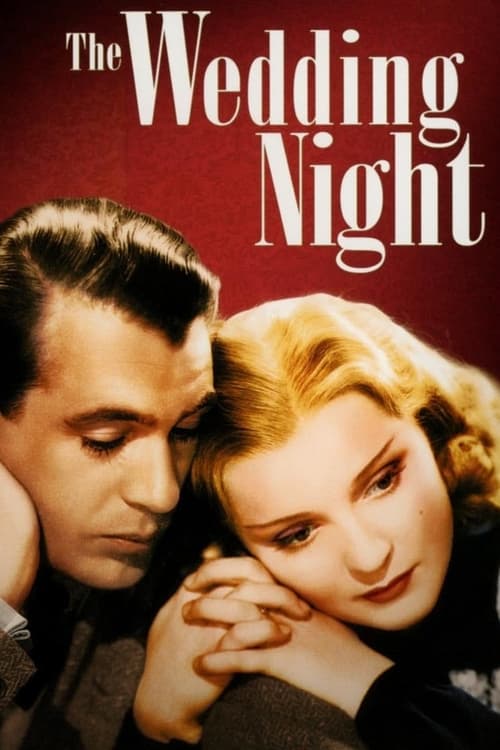
1935
No reviews yet. Be the first to share your thoughts on this movie!
Use the rating form above to leave a star rating and optional review.