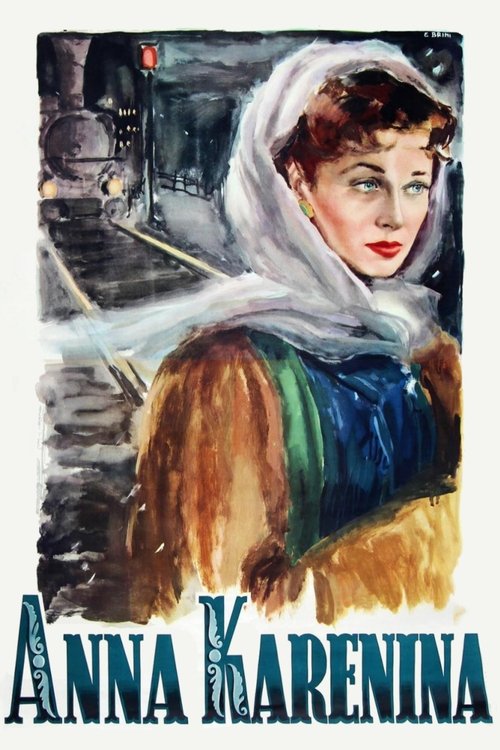
Anna Karenina
1948
No user ratings available yet
Representation score: 1.4 out of 10
Representation Score
Minimal
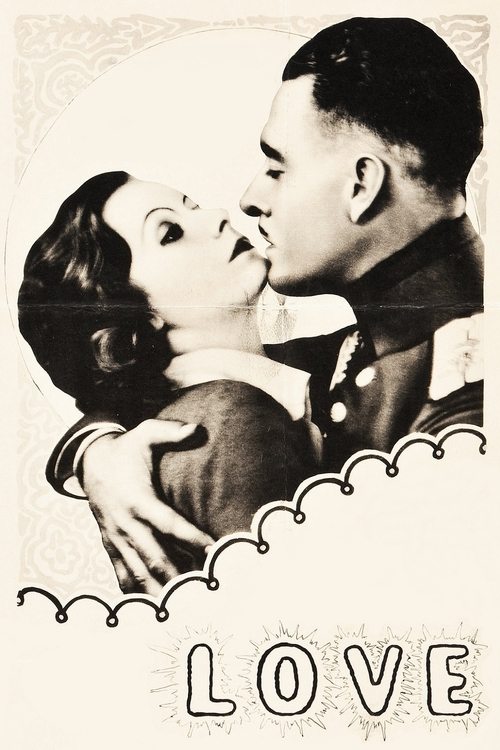
1927
NRDirector
Edmund Goulding
Runtime
81 minutes
Average Rating
No ratings yetNew Showbiz Analysis
Love (1927) is a traditional romantic drama reflecting the social hierarchies of its time. It emphasizes individual melodrama and the consequences of infidelity while staying within the established social and cultural norms of the period. The film adheres to the conventions of 1920s cinema, focusing on straight-centered and Eurocentric themes. While the protagonist displays personal independence, the narrative remains tied to the social expectations of the era. Overall, the film lacks the depth and diverse representation needed to challenge the traditional structures of Imperial Russian high society.
Category Breakdown
The film focuses on a heterosexual relationship and does not include any same-sex intimacy or non-cisgender identities.
Anna chooses her own romantic path over marriage, but this choice is presented as a tragedy that upholds traditional views on women's behavior.
The film portrays a uniform upper-class environment in Imperial Russia without showing any racial or ethnic diversity.
The story highlights personal moral struggles within the strict social structures of high society, without offering a critique of traditional institutions.
The film does not feature any characters with visible or invisible disabilities.
Present on Screen
Limited or Absent
Official Synopsis
In Imperial Russia, Anna Karenina falls in love with the dashing military officer Count Vronsky and abandons her husband and child to become his mistress.
1948
1935
1967
1953
1933
1932
1934
1952
No reviews yet. Be the first to share your thoughts on this movie!
Use the rating form above to leave a star rating and optional review.