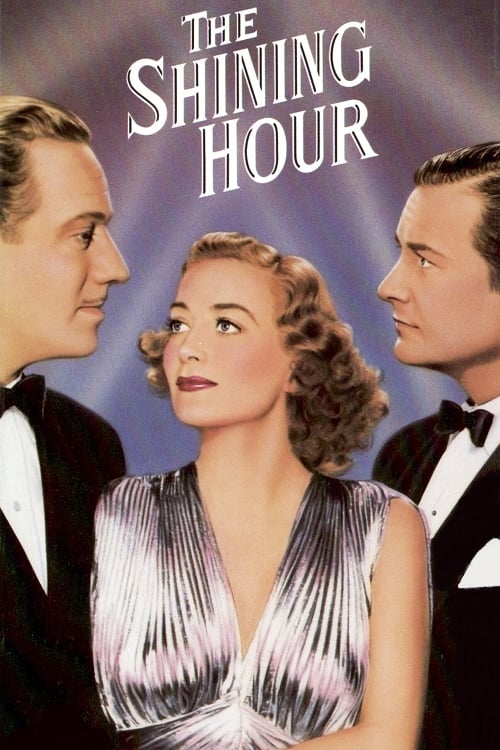
The Shining Hour
1938
No user ratings available yet
Representation score: 1.4 out of 10
Representation Score
Minimal
1938
ApprovedDirector
Frank Borzage
Runtime
95 minutes
Average Rating
No ratings yetNew Showbiz Analysis
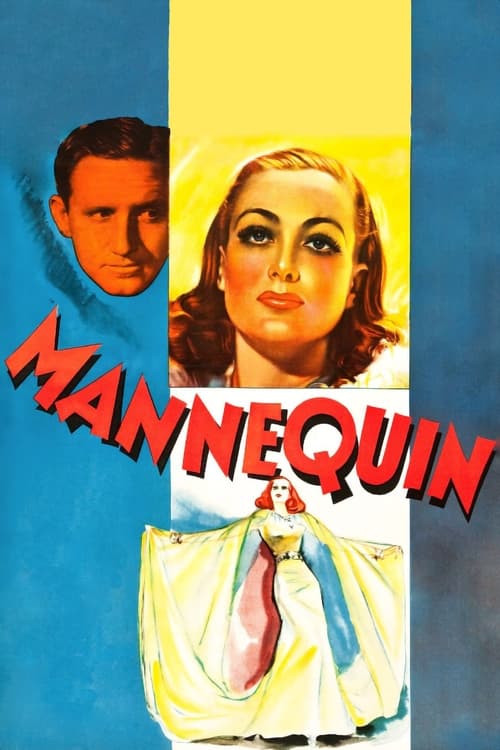
Mannequin is a quintessential product of the Golden Age of Hollywood, prioritizing sentimentalism and romantic idealism over systemic critique. The film functions as a traditional drama that reinforces the social and gender hierarchies of the late 1930s. The narrative is built around Eurocentric romantic clichés and lacks multi-layered complexity. By focusing on a localized, white, European setting, the film offers no disruption of conventional social expectations. Ultimately, the work serves as a baseline for period cinematic norms, characterized by a reliance on established Western structures and a lack of diverse identity-based representation.
Category Breakdown
The film operates within a strictly heterosexual framework, with no LGBTQ+ characters or non-straight relationships.
The narrative heavily relies on the male gaze, presenting the female lead as an object of beauty. Jessie seeks to gain influence through marriage, but the story emphasizes traditional gender roles.
Set in Paris, the film features a predominantly white, European cast. It reflects the homogeneous demographics of 1930s studio productions without any racial diversity.
The story adheres to traditional Western romantic ideals and romanticized bohemian settings. It does not challenge established social or class structures, focusing instead on individual idealism.
Characters are presented within the bounds of able-bodied romantic archetypes. There is no evidence of characters with visible or invisible disabilities integrated into the story.
Present on Screen
Limited or Absent
Official Synopsis
Jessie, a young working class woman, seeks to improve her life by marrying her boyfriend, only to find out that he is no better than what she left behind.
1938

1930
1933
1927
1937
1952
1952
1928
No reviews yet. Be the first to share your thoughts on this movie!
Use the rating form above to leave a star rating and optional review.