
Neck 'n' Neck
1928
No user ratings available yet
Representation score: 0.3 out of 10
Representation Score
Minimal
1928
Director
Walt Disney
Runtime
5 minutes
Average Rating
No ratings yetNew Showbiz Analysis
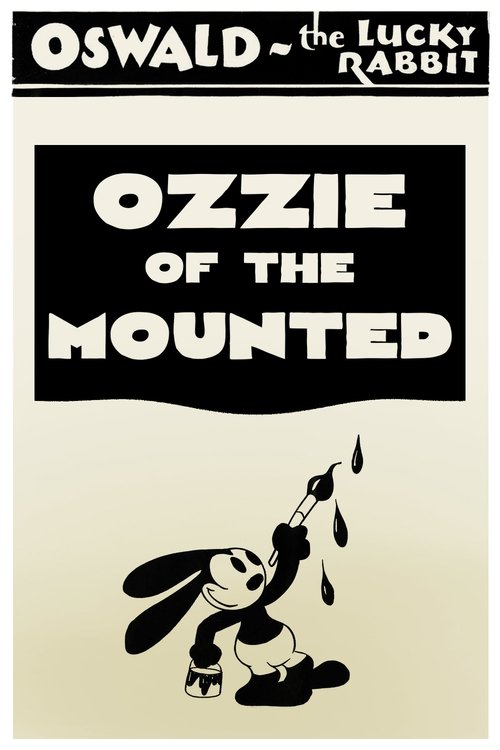
Ozzie of the Mounted is a product of its era, prioritizing traditional narrative structures over social complexity. The film relies heavily on established archetypes, such as the heroic lawman and the rugged villain, to drive its simple conflict. While the use of anthropomorphic characters avoids direct human racial caricatures, it also fails to use non-human species to explore diverse identities. The storytelling reinforces conventional Western morality and institutional authority rather than challenging them. Representation is minimal and often functional. Physical differences, such as Pete's missing leg, serve as plot devices for villainy rather than providing meaningful or empathetic character development.
Category Breakdown
The film does not depict any LGBTQ+ identities. The story focuses on a traditional conflict between the main character and the antagonist.
Roles are defined by traditional masculine archetypes of law enforcement. The narrative relies on early 20th-century clichés of the heroic pursuer without challenging gender hierarchies.
Anthropomorphic animals provide a form of narrative abstraction that avoids direct human caricatures. However, the setting aligns with conventional Western frontier archetypes, offering little exploration of diverse identities.
The story reinforces standard notions of authority through the Royal Canadian Mounted Police. It adheres to a straightforward, moralistic conflict structure without critiquing Western institutions.
Peg-Leg Pete uses a physical disability as a defining trait. This serves as visual shorthand for a villainous archetype rather than a nuanced portrayal of lived experience.
Present on Screen
Limited or Absent
Official Synopsis
Oswald the Lucky Rabbit, a member of the Royal Canadian Mounted Police, goes in pursuit of Peg-Leg Pete.
1928
1928

1928

1928
1928

1926

1928
1924
No reviews yet. Be the first to share your thoughts on this movie!
Use the rating form above to leave a star rating and optional review.