Zabana!
2012
No user ratings available yet
Representation score: 4.0 out of 10
Representation Score
Fair
2006
RDirector
Rachid Bouchareb
Runtime
128 minutes
Average Rating
No ratings yetNew Showbiz Analysis
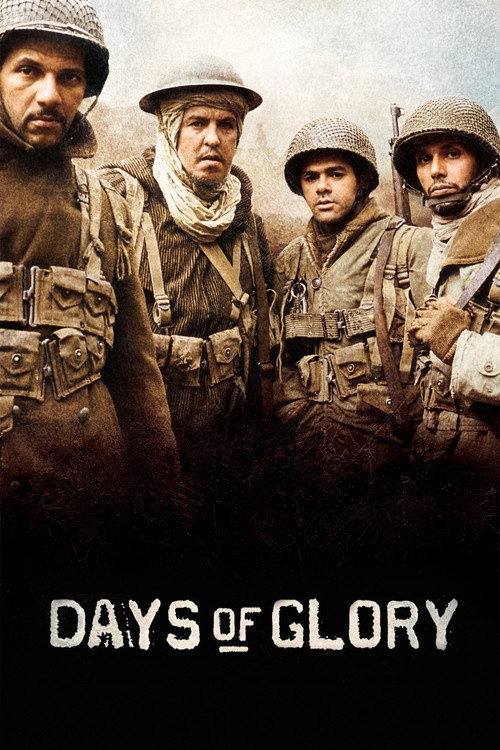
Rachid Bouchareb’s film is a significant work of post-colonial cinema that challenges Eurocentric historical perspectives. By centering Algerian, Moroccan, and Tunisian soldiers, it shifts the focus from traditional European liberators to the underrepresented individuals whose contributions were historically overlooked. The narrative effectively exposes the contradictions of Western 'liberation' by highlighting the systemic indignity faced by colonial subjects. While the film excels in critiquing racial and cultural issues, it remains tied to traditional mid-century social dynamics, lacking representation for LGBTQ+ identities and maintaining a strictly masculine-driven hierarchy that limits gender diversity.
Category Breakdown
The film adheres to a traditional mid-century military framework with no depiction of LGBTQ+ or non-cisgender identities.
The movie centers around male characters and traditional masculine leadership roles, with women appearing in minor roles that don't challenge the gender hierarchies of the time.
By focusing on a majority North African cast, the film highlights the systemic segregation and racial hierarchies within the French military during World War II.
The film critiques Western institutional hypocrisy through the lens of the soldiers' loyalty to France despite the oppressive colonial structures maintained by the state.
The film depicts physical injuries as a result of combat but does not delve into the lived experiences of those with disabilities or neurodivergence.
Present on Screen
Limited or Absent
Official Synopsis
1943. They have never stepped foot on French soil but because France was at war, Said, Abdelkader, Messaoud and Yassir enlist in the French Army, along with 130,000 other “indigenous” soldiers, to liberate the “fatherland” from the Nazi enemy. Heroes that history has forgotten...
2012
2009
2008

1975

1958
1981
2011
2020
No reviews yet. Be the first to share your thoughts on this movie!
Use the rating form above to leave a star rating and optional review.