The Butcher of Prague
2011
No user ratings available yet
Representation score: 6.6 out of 10
Representation Score
Good
2014
Director
Jan Komasa
Runtime
127 minutes
Average Rating
No ratings yetNew Showbiz Analysis
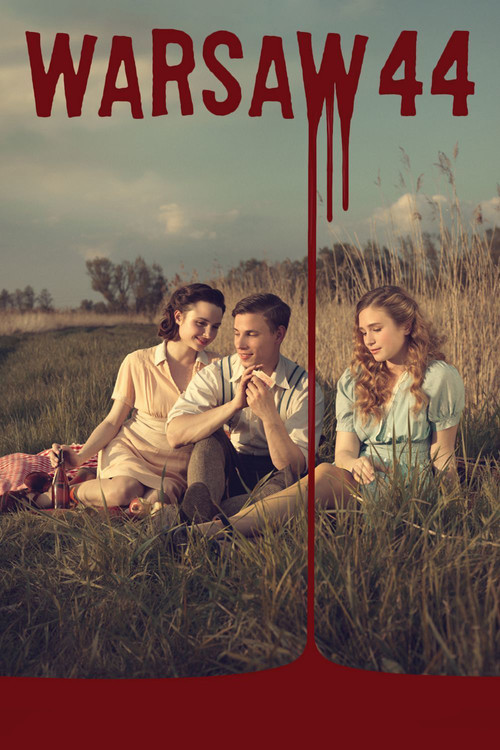
Warsaw 44 is a historically specific drama that prioritizes the lived experience of a youth-led uprising over modern identity politics. Its strength lies in subverting traditional heroism by showcasing the active roles of women and the disintegration of social structures under systemic oppression. While the film lacks racial and LGBTQ+ diversity, it achieves depth through its depiction of physical trauma and the breakdown of institutional morality. It avoids using disability as a mere plot device, instead treating it as a realistic byproduct of war. Ultimately, the film's value is found in its deconstruction of traditional hierarchies and its focus on the psychological pressures exerted on its young protagonists.
Category Breakdown
The film focuses exclusively on the military objectives and survival of the Polish Home Army. There are no non-cisgender identities or same-sex relationships among the main characters.
Women are depicted as influential figures through their active roles in combat and logistics. They shape the plot through direct actions rather than serving as passive emotional motivators.
The cast is ethnically homogeneous, reflecting the specific demographic reality of the Warsaw Uprising. The narrative centers on Polish national identity under foreign occupation.
The story explores the collapse of civil society, family units, and religious authority. It emphasizes moral relativism and the struggle of a nation against a totalitarian hierarchy.
Physical and psychological trauma is portrayed with gritty realism. Wounded and maimed individuals are shown as a direct, visceral consequence of the urban warfare environment.
Present on Screen
Limited or Absent
Official Synopsis
City of Warsaw, Poland, August 1st, 1944. Citizens have experienced inhuman acts of terror and violence during five long years of Nazi occupation. As the Soviet Army relentlessly approaches, the youngest and bravest among them rise up as one and face tyranny fighting street by street, but the price to pay will be high and hard the way to freedom…
2011

1975
2004
2008
2013
2024

2007

2017
No reviews yet. Be the first to share your thoughts on this movie!
Use the rating form above to leave a star rating and optional review.