The Road to Mother
2016
No user ratings available yet
Representation score: 4.2 out of 10
Representation Score
Limited
2013
Director
Akhtem Seitablaiev
Runtime
90 minutes
Average Rating
No ratings yetNew Showbiz Analysis
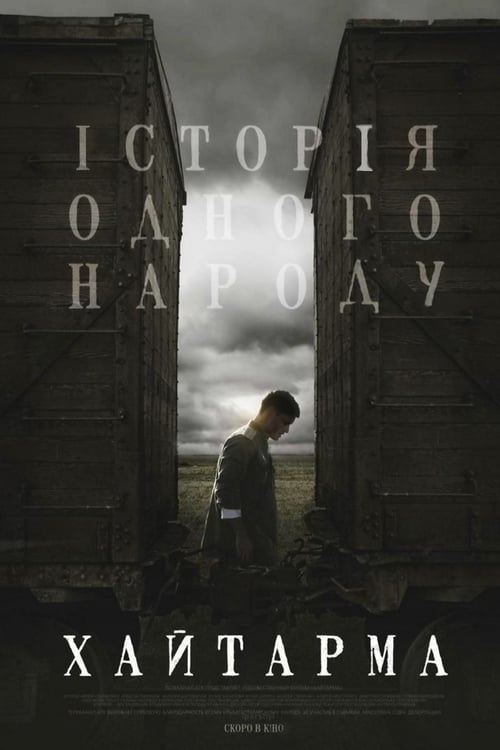
Khaytarma is a powerful work of historical reclamation that centers the Crimean Tatar experience during the 1944 deportation. It successfully challenges mainstream historical erasure by providing an ethnic minority with a voice against state-sanctioned narratives. The film excels at portraying the tension between individual identity and systemic oppression. By framing the Soviet state as an agent of trauma rather than a protector, the narrative offers a necessary critique of institutional power. While the film is deeply impactful regarding ethnic and cultural representation, it follows a traditional wartime dramatic structure. This results in a more conventional approach to gender and a lack of representation for LGBTQ+ identities.
Category Breakdown
The film focuses on ethnic survival and wartime trauma but does not include any visible LGBTQ+ characters or narratives addressing non-straight relationships.
The narrative centers on a male pilot and explores how state violence affects the domestic sphere. It avoids reinforcing patriarchal stability by highlighting community vulnerability.
The film provides a profound exploration of Crimean Tatar identity. It disrupts Soviet-centric clichés by centering a underrepresented group navigating the tension of state belonging.
The story critiques centralized state power and institutional oppression. It prioritizes the subjective truth of a displaced people over official, monolithic state histories.
There are no specific depictions of visible or invisible disabilities within the narrative.
Present on Screen
Limited or Absent
Official Synopsis
The film tells about the tragic date in the history of the Crimean Tatar people — May 18, 1944 — Stalin’s deportation of the Crimean Tatars. The plot of the film — a pilot, twice Hero of the Soviet Union, Amet-khan Sultan. In May, 1944, a year after the liberation of Sevastopol, Amet-khan goes on vacation to his native town Alupka. On May 18 his eyes witness the beginning of the deportation of the Crimean Tatars.
2016

2009
1968

2014

2019

2011

2007

2006
No reviews yet. Be the first to share your thoughts on this movie!
Use the rating form above to leave a star rating and optional review.