Friend
2015
No user ratings available yet
Representation score: 4.4 out of 10
Representation Score
Good
2005
TV-MADirector
Raoul Peck
Runtime
140 minutes
Average Rating
No ratings yetNew Showbiz Analysis
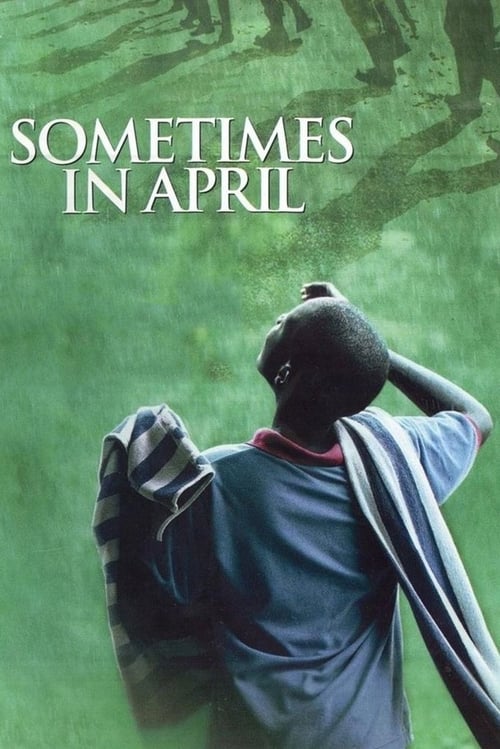
Sometimes in April is a powerful film that shifts the perspective from Western observers to the Rwandan people. It challenges dominant historical narratives by examining the systemic power dynamics of the genocide. The film's strength lies in its refusal to validate traditional Western institutional narratives, instead focusing on the experiences of underrepresented groups. While the film excels in critiquing racial and cultural issues, it does not include representation for LGBTQ+ identities or focus on individual character arcs related to disability.
Category Breakdown
The film does not include any LGBTQ+ characters or non-cisgender identities. It focuses solely on the ethnic and political aspects of the Rwandan genocide.
The film highlights the role of women as central figures in the trauma and survival of the Rwandan genocide. It avoids depicting women merely as bystanders by emphasizing sexual violence as a tool of systemic oppression.
The film centers on the experiences of Rwandan people and provides a detailed analysis of how colonial-era racial classifications were used to create internal ethnic divisions. It offers a sophisticated critique of the Rwandan genocide.
The film presents a strong critique of Western involvement in the Rwandan genocide. It portrays international institutions and the UN as failing to act responsibly, prioritizing indifference over action.
The film depicts physical and psychological trauma as direct results of mass violence. These injuries are shown as systemic outcomes rather than through individual character arcs.
Present on Screen
Limited or Absent
Official Synopsis
Two brothers are divided by marriage and fate during the 100 horrifying days of the 1994 Rwandan genocide.
2015
2009

2010
2006
2011
2014
2009
1997
No reviews yet. Be the first to share your thoughts on this movie!
Use the rating form above to leave a star rating and optional review.