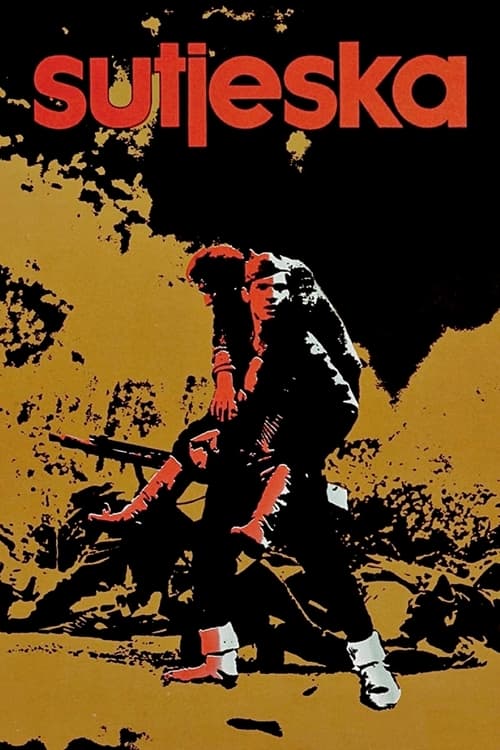
The Battle of Sutjeska
1973
No user ratings available yet
Diversity score: 5.7 out of 10

1974
Director
Žika Mitrović
Runtime
170 minutes
Average Rating
No ratings yetSynopsis
In 1941, a few months after German tanks forced Yugoslav Royal Army to capitulate, organized resistance is turning into massive uprising against occupying forces. Partisans, led by the Communist party, manage to chase Germans from huge territory later known as the Uzice Republic. However, forces loyal to King have some other ideas.
Overall Score
Fair
Category Breakdown
LGBTQ+ Representation
The film lacks explicit depictions of non-heteronormative identities or same-sex intimacy. It adheres to the social realism of its era, focusing on communal struggle rather than individual identity politics.
Gender Representation
Women are portrayed as active agents of political and military change through the role of the partisanka. This subverts traditional tropes by moving women into combat, logistics, and leadership roles.
Racial & Ethnic Diversity
The narrative centers a multi-ethnic coalition of Serbs, Croats, and other regional groups. This diverse tapestry challenges ethnic homogeneity in favor of a unified, pan-Yugoslav resistance identity.
Religious & Cultural Diversity
The film prioritizes secular, socialist ideals while critiquing monarchy and religious structures aligned with the Axis. It celebrates the dismantling of class hierarchies and established state authority.
Disability Representation
There is no significant evidence of characters with visible or invisible disabilities serving as central agents. Representation in this category appears minimal within the narrative.
Strengths
Areas for Improvement
AI Analysis
The Republic of Užice excels as a critique of traditional power structures, particularly through its depiction of gender and ethnicity. By presenting women in combat roles and showcasing a multi-ethnic coalition, the film actively deconstructs domestic and nationalist hierarchies. However, the film is limited by the social realism of its time, resulting in a lack of LGBTQ+ visibility and minimal representation of disability. It prioritizes the collective revolutionary struggle over individual identity politics. Ultimately, the film serves as a cinematic metaphor for dismantling oppressive institutions, favoring grassroots empowerment over established state or religious authority.
1973
1964

1963
1960
1960
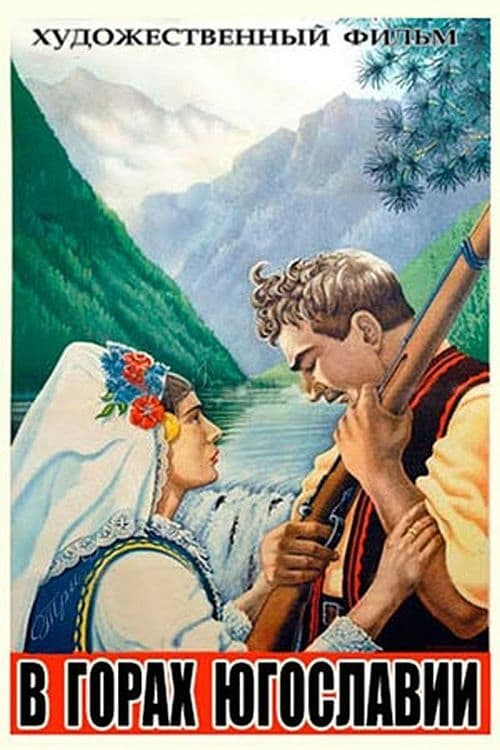
1946
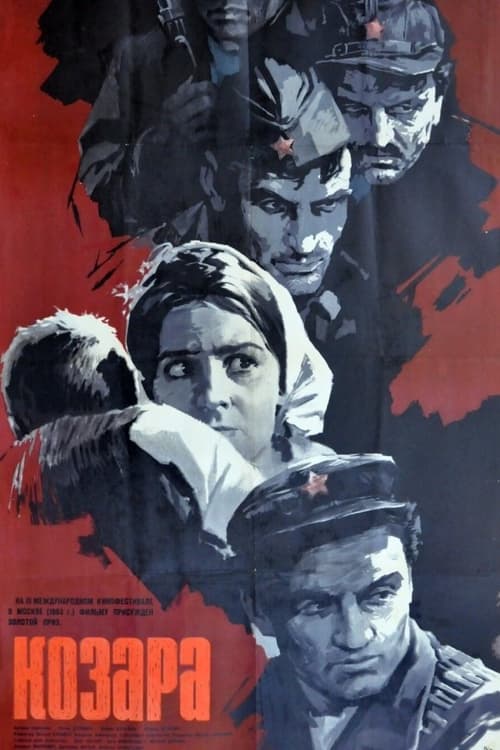
1962
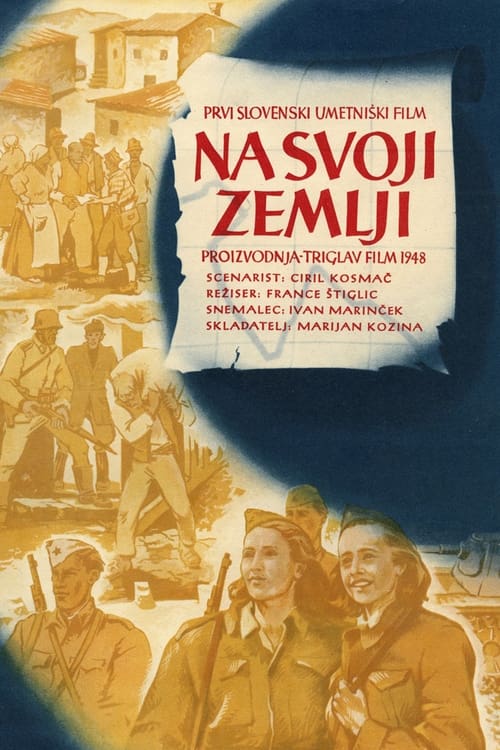
1948
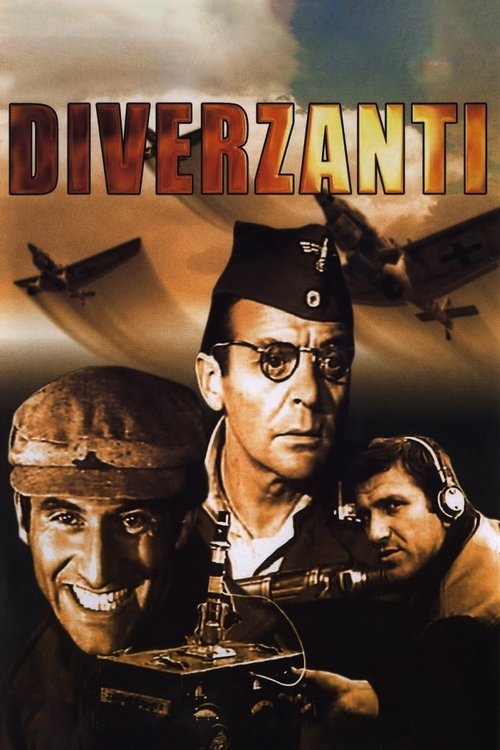
1967
1972
1965
1976
No reviews yet. Be the first to share your thoughts on this movie!
Use the rating form above to leave a star rating and optional review.