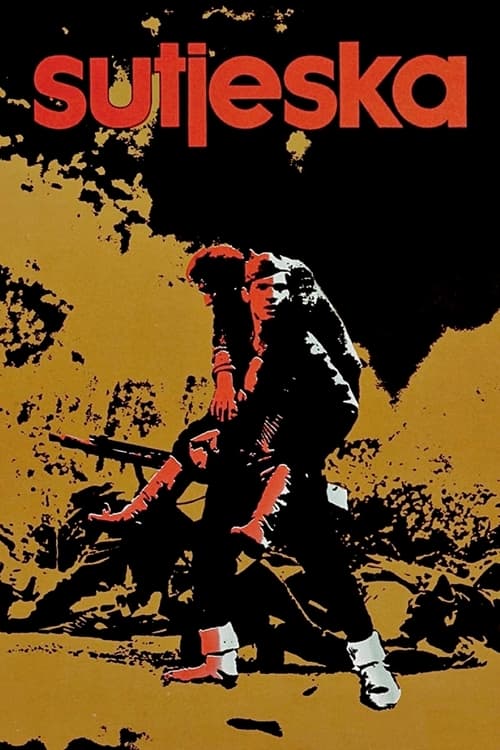
The Battle of Sutjeska
1973
No user ratings available yet
Diversity score: 5.7 out of 10
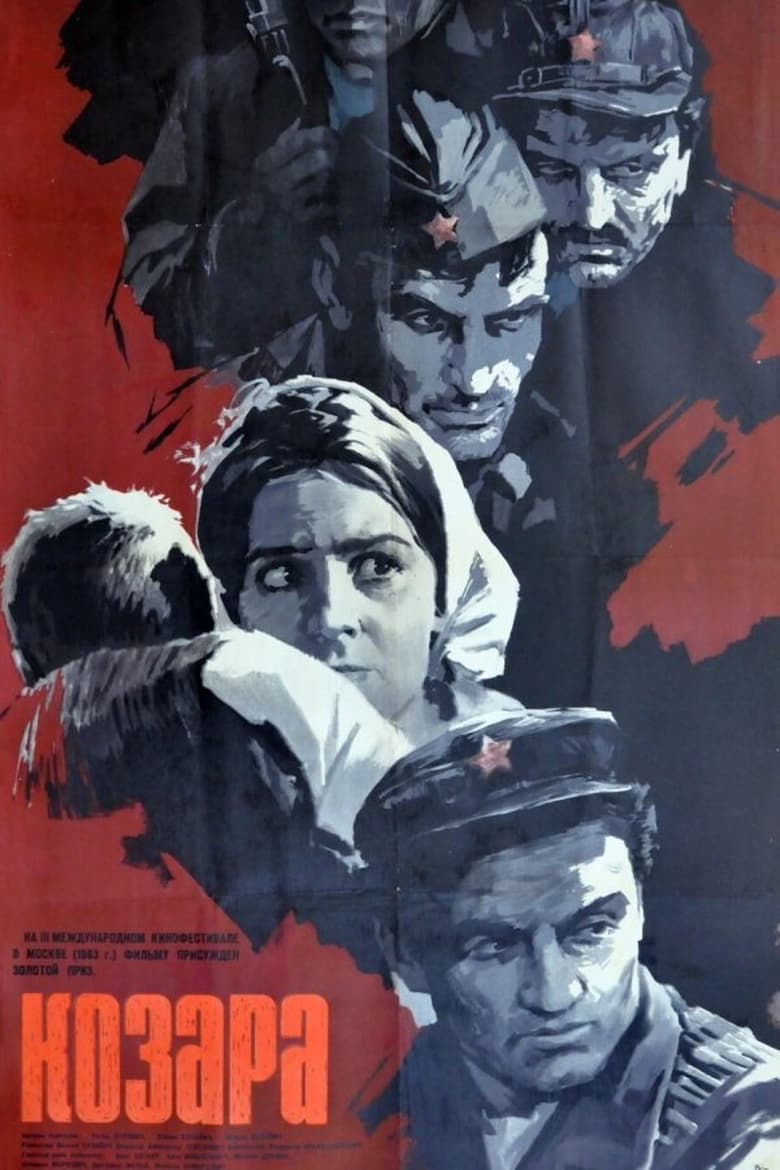
1962
Director
Veljko Bulajić
Runtime
124 minutes
Average Rating
No ratings yetSynopsis
In June of 1942 Germans and their collaborators decide to get rid of partisans and their stronghold in the woods of Mount Kozara in Northern Bosnia. They encircle the mountain and begin the mop up operation. Out gunned and outnumbered the partisans must not only take care of themselves but try to protect thousands of refugees too.
Overall Score
Good
Category Breakdown
LGBTQ+ Representation
The film focuses entirely on the socio-political struggle of the Partisan movement. There are no depictions of non-cisnormative identities or same-sex intimacy.
Gender Representation
Women are integrated into the active resistance rather than being relegated to passive roles. Characters like Mara occupy combat or vital support roles, granting them agency within the revolutionary framework.
Racial & Ethnic Diversity
The narrative centers a multi-ethnic Partisan resistance, blending Serbs, Croats, and other identities. This structure critiques ethnic fragmentation by promoting a unified social identity against Axis occupiers.
Religious & Cultural Diversity
The film prioritizes secular, collective action over religious or nationalist affiliations. It frames the struggle as a systemic battle against fascism, emphasizing the primacy of the collective over traditional family units.
Disability Representation
Physical trauma and disabilities are presented as consequences of war rather than independent characters. These elements function primarily as narrative devices to illustrate the brutality of the occupation.
Strengths
Areas for Improvement
AI Analysis
Kozara succeeds as a cinematic exercise in dismantling traditional hierarchies. By replacing individualist heroism with a collective, multi-ethnic identity, the film subverts the nationalist narratives common in mid-20th-century war cinema. The production uses the Partisan movement to model 'Brotherhood and Unity,' effectively using a diverse cast to critique ethnic tribalism. This approach transforms the struggle from a series of isolated skirmishes into a unified social movement. While the film lacks LGBTQ+ representation and treats disability as a mere byproduct of violence, its strength lies in its radical reimagining of gender and ethnicity. It moves beyond domestic tropes to present a cohesive, revolutionary front.
1973
1969

1963
1974
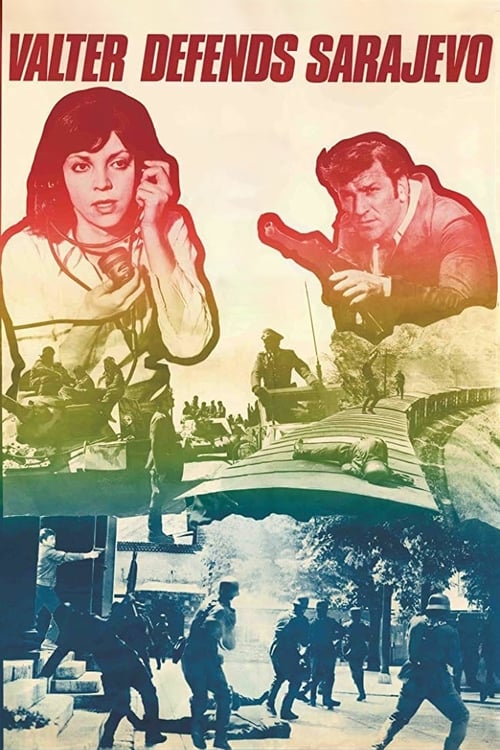
1972
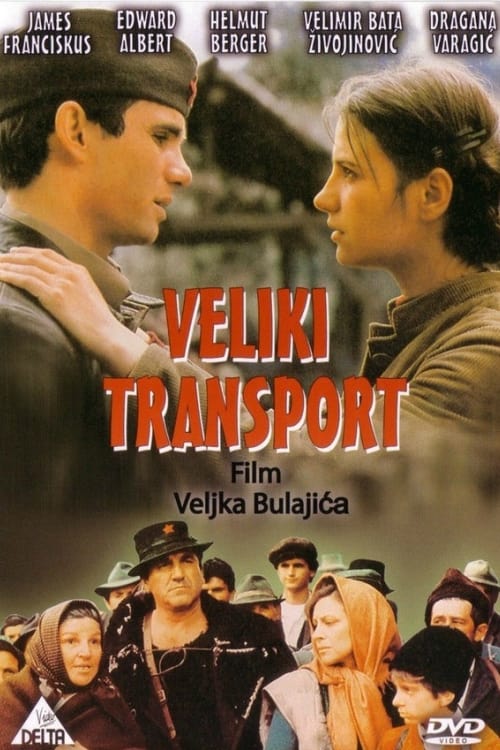
1983
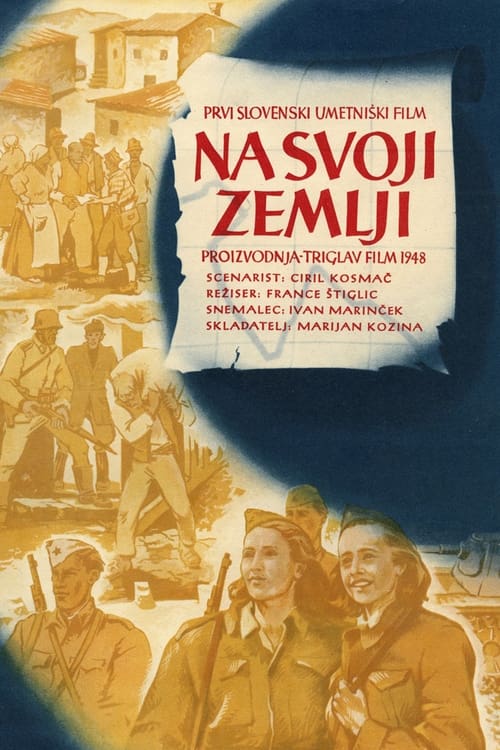
1948
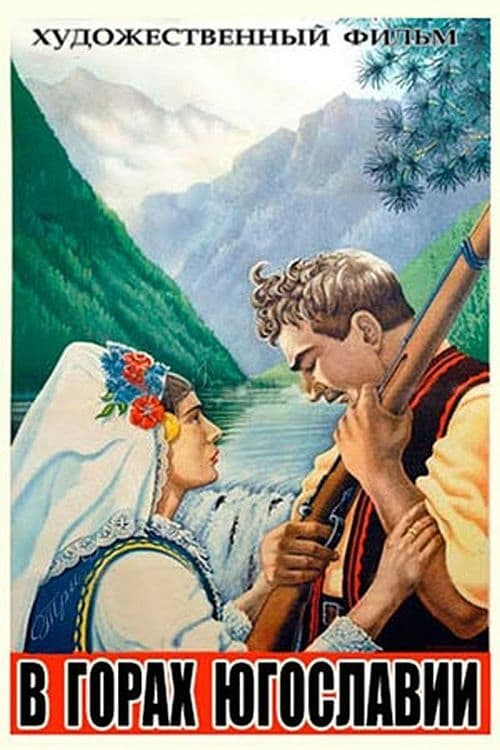
1946
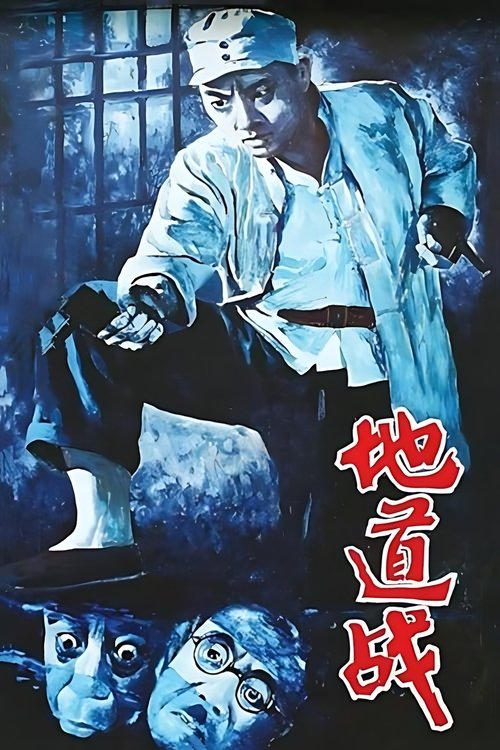
1965
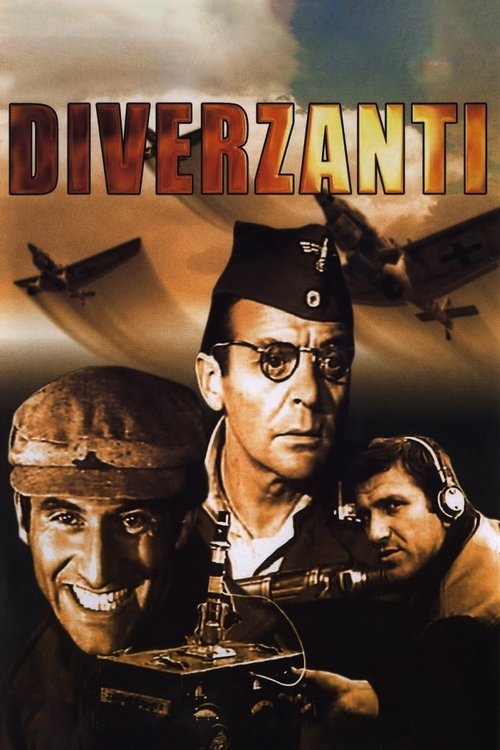
1967
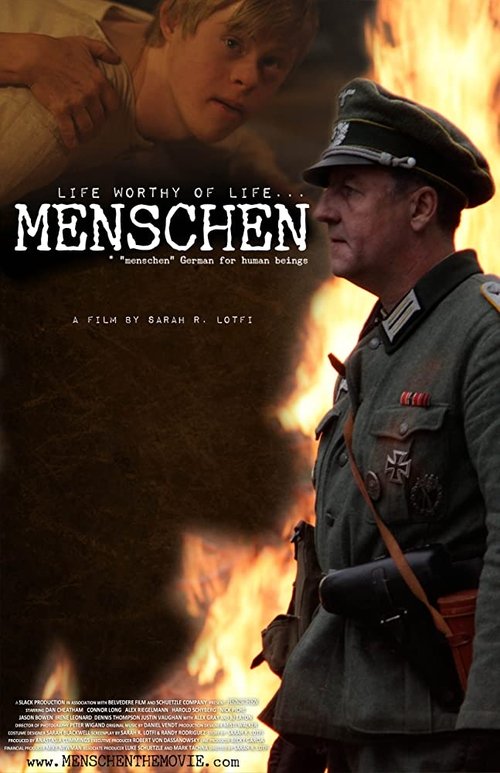
2013
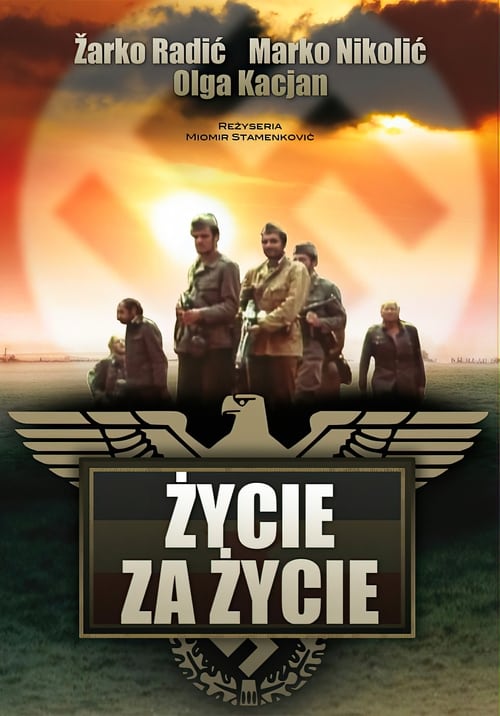
1976
No reviews yet. Be the first to share your thoughts on this movie!
Use the rating form above to leave a star rating and optional review.