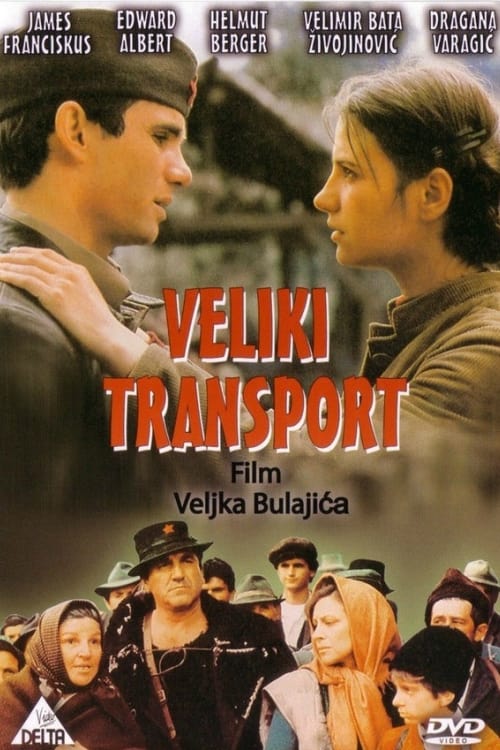
Great Transport
1983
No user ratings available yet
Representation score: 5.8 out of 10
Representation Score
Fair
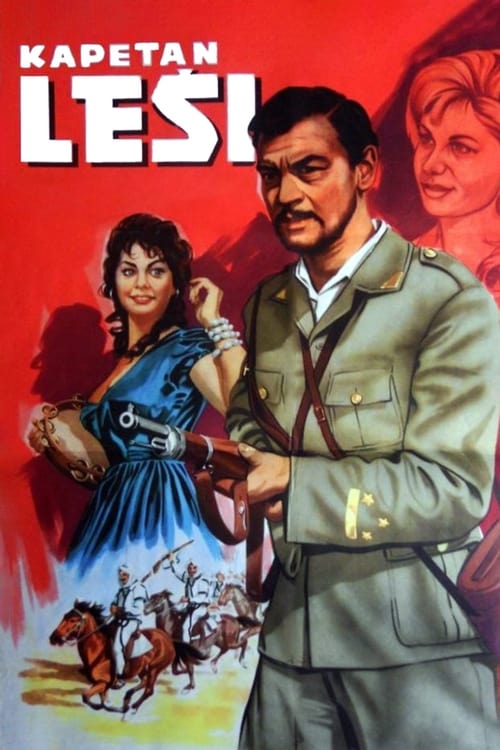
1960
Director
Žika Mitrović
Runtime
108 minutes
Average Rating
No ratings yetNew Showbiz Analysis
Captain Lechi is a historical war drama that highlights the ethnic and political complexities of the Balkan theater. By focusing on the liberation of Prizren and the internal conflicts among local factions, the film avoids a simplistic view of the wartime struggle. The film effectively portrays anti-fascist resistance and the dismantling of oppressive hierarchies. It uses the setting of Kosmet to explore regional identities and the tension between familial loyalty and revolutionary duty. However, the film lacks representation of LGBTQ+ identities and characters with disabilities. The narrative remains centered on a male-led military struggle, which limits its gender diversity.
Category Breakdown
The film does not include any characters with LGBTQ+ identities. It focuses on traditional romantic or platonic relationships typical of 1960s war dramas.
Female characters such as Lola and Vida have distinct social roles as a singer and a teacher. Despite the story centering on a male captain, these women go beyond domestic portrayals.
Set in Kosmet, the film delves into the complex ethnic and regional identities of the area. It examines the tensions between Partisans and local collaborators during the liberation of Prizren.
The narrative criticizes foreign occupation and dismantles German-trained military structures. It emphasizes a collective revolutionary cause over individualist or traditional Western values.
There is no mention of characters with visible or invisible disabilities within the narrative.
Present on Screen
Limited or Absent
Official Synopsis
Kosmet in the fall of 1944. The Partisans have successfully liberated the town of Prizren from occupying Germans,and Ramiz Leshi, a brave and cunning KNOJ captain, has to liquidate the remainder of the local Quislings, called Balists. They are led by a ruthless, German-trained soldier Kosta and by Ahmet, the brother of the famous Captain. As Ramiz is trying to get Ahmet out of the gang and hunt down the rest of the Balists, 2 new girls arrive in town. One of them is Lola, a bar singer with a questionable agenda, and the other is Vida, a withdrawn music teacher from Belgrade.
1983

1943
1960
1965

1970

1963
1964
1970
No reviews yet. Be the first to share your thoughts on this movie!
Use the rating form above to leave a star rating and optional review.