
Exotic Mexico
1942
No user ratings available yet
Diversity score: 3.0 out of 10
1942
ApprovedRuntime
10 minutes
Average Rating
No ratings yetSynopsis
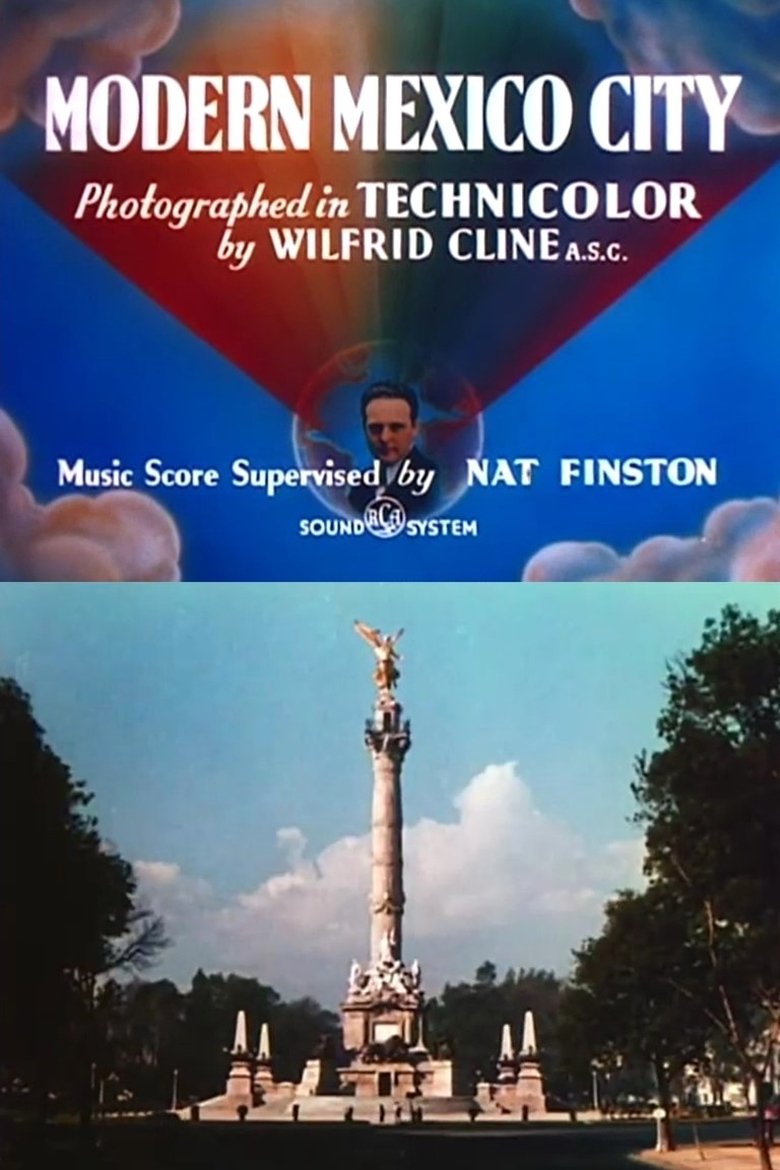
This Traveltalk series short brings us to the capital of Mexico, where we learn a little about the three million people living there. Their living quarters are viewed, as are various monuments found throughout the city, including a monument to George Washington. We also see the Museum of Fine Arts and the Washington Apartments. From here, we visit the bullfights.
Overall Score
Limited
Category Breakdown
LGBTQ+ Representation
The film contains no discernible depiction of LGBTQ+ identities. It adheres to the standard observational norms of mid-century travelogues, which omit queer identities from the public lens.
Gender Representation
The documentary maintains a traditional, detached perspective on gender. Women appear only as passive subjects within the general populace or the broader urban landscape.
Racial & Ethnic Diversity
The film provides visibility to a non-Western urban center but through a tourist gaze. It focuses on exoticism rather than the agency of the Mexican people.
Religious & Cultural Diversity
The film presents a traditionalist view of Mexican culture through historical monuments. It functions as a standard cultural introduction for a Western audience.
Disability Representation
There is no evidence of individuals with visible or invisible disabilities being portrayed. They are absent from the narrative fabric of this short.
Strengths
Areas for Improvement
AI Analysis
Modern Mexico City serves as a mid-century ethnographic survey rather than a character-driven narrative. Its primary purpose is to observe urban density, architectural landmarks, and cultural spectacles like bullfighting. Because the film focuses on geography and monuments, it lacks the structural capacity for nuanced or intersectional representation. The content reflects the era's standard observational norms, prioritizing a Western perspective of the city. Ultimately, the film functions as a superficial introduction to the capital. It avoids total cultural erasure but fails to provide depth or subvert the traditional social hierarchies of the 1940s.
1942
1935
1940

1943
1935
1939
1953
1938
1937
1940
1943
1941
No reviews yet. Be the first to share your thoughts on this movie!
Use the rating form above to leave a star rating and optional review.