
A Word for the Greeks
1951
No user ratings available yet
Representation score: 0.6 out of 10
Representation Score
Minimal
1941
ApprovedDirector
James A. FitzPatrick
Runtime
9 minutes
Average Rating
No ratings yetNew Showbiz Analysis
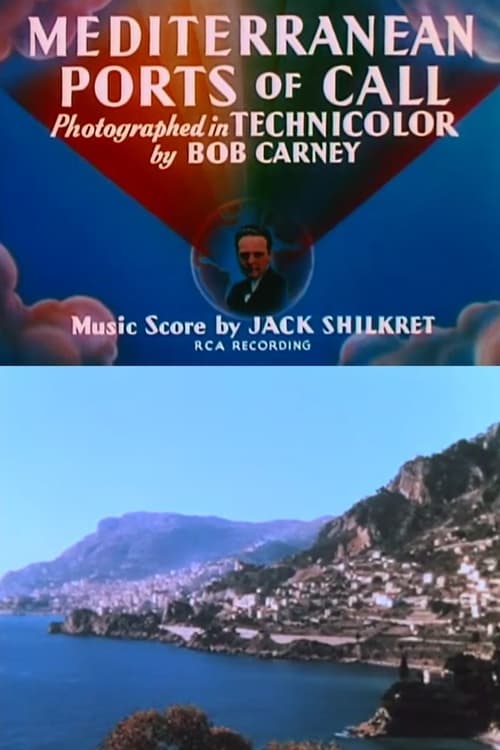
This 1941 Traveltalk short serves as a geographic survey of Algiers and Monaco. It functions through observational vignettes rather than character-driven storytelling, limiting the potential for complex social commentary. The film reflects the standard ethnographic conventions of its era. It prioritizes scenic vistas and surface-level cultural snapshots over the development of characters with significant roles. Ultimately, the work is a product of mid-century filmmaking. It provides a window into international locales through a colonial-era lens, prioritizing landscape over nuanced representation.
Category Breakdown
The film focuses on Mediterranean geography and port landscapes. It does not include any queer narratives or representations of non-straight identities.
The documentary likely follows a traditional patriarchal viewpoint common in 1940s travelogues. Women appear to have limited intellectual or physical roles.
The footage captures the North African and Arab landscapes of Algiers. However, the presentation seems to lean towards exoticism rather than deep representation.
The film offers a Western perspective of foreign locales through a lens of curiosity. It lacks any anti-Western or anti-capitalist sentiments.
There is no evidence of individuals with visible or invisible disabilities being portrayed with significant roles or central focus.
Present on Screen
Limited or Absent
Official Synopsis
This Traveltalk short visits the ports of Algiers and Monaco in the Mediterranean.
1951
1941
1951

1942
1951
1942
1937
1938
No reviews yet. Be the first to share your thoughts on this movie!
Use the rating form above to leave a star rating and optional review.