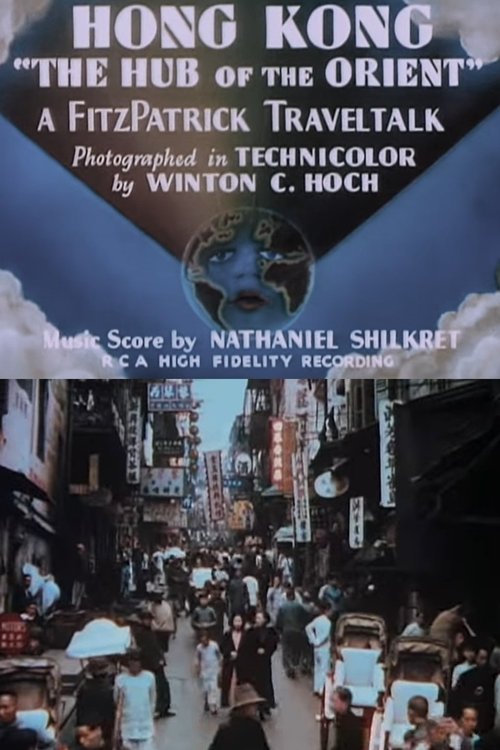
Hong Kong: 'The Hub of the Orient'
1937
No user ratings available yet
Representation score: 1.0 out of 10

Representation Score
Minimal
1937
ApprovedRuntime
8 minutes
Average Rating
No ratings yetNew Showbiz Analysis
Oriental Paradise serves as a historical ethnographic artifact, providing a visual catalog of Japanese landscapes and traditions such as ikebana. While it offers visibility into non-Western aesthetics, it lacks the character-driven depth needed for modern representation. The film's perspective is shaped by its era as a Western-produced travelogue. It prioritizes the aesthetic beauty of Mount Fuji and temple deer parks over nuanced social or layered identity exploration. Ultimately, the documentary functions as an observational survey. It provides cultural glimpses but lacks the intentionality or narrative structures necessary to address complex identity themes.
Category Breakdown
The film functions as a nature and cultural survey. There are no LGBTQ+ identities or romantic depictions present in this observational travelogue.
The documentary focuses on landscapes and cultural practices. It adheres to 1930s observational norms without providing specific character roles or challenging gender hierarchies.
The film offers visibility into Japanese culture and geography. However, it operates through a Western-produced lens that catalogs the exotic without delving into ethnic identity.
Traditional Japanese spirituality and aesthetics are highlighted through temple settings. The presentation remains a curated, aestheticized view intended for Western audiences rather than a critical examination.
There are no individuals with visible or invisible disabilities depicted in this short film.
Present on Screen
Limited or Absent
Official Synopsis
This TravelTalk entry brings us glimpses of flower arranging, a temple deer park, and Mount Fuji.
1937
1936

1939
1952
1937

1938

1954
1957
No reviews yet. Be the first to share your thoughts on this movie!
Use the rating form above to leave a star rating and optional review.