
Give Us the Earth!
1947
No user ratings available yet
Diversity score: 2.8 out of 10
1935
ApprovedDirector
Louis Lewyn
Runtime
8 minutes
Average Rating
No ratings yetSynopsis
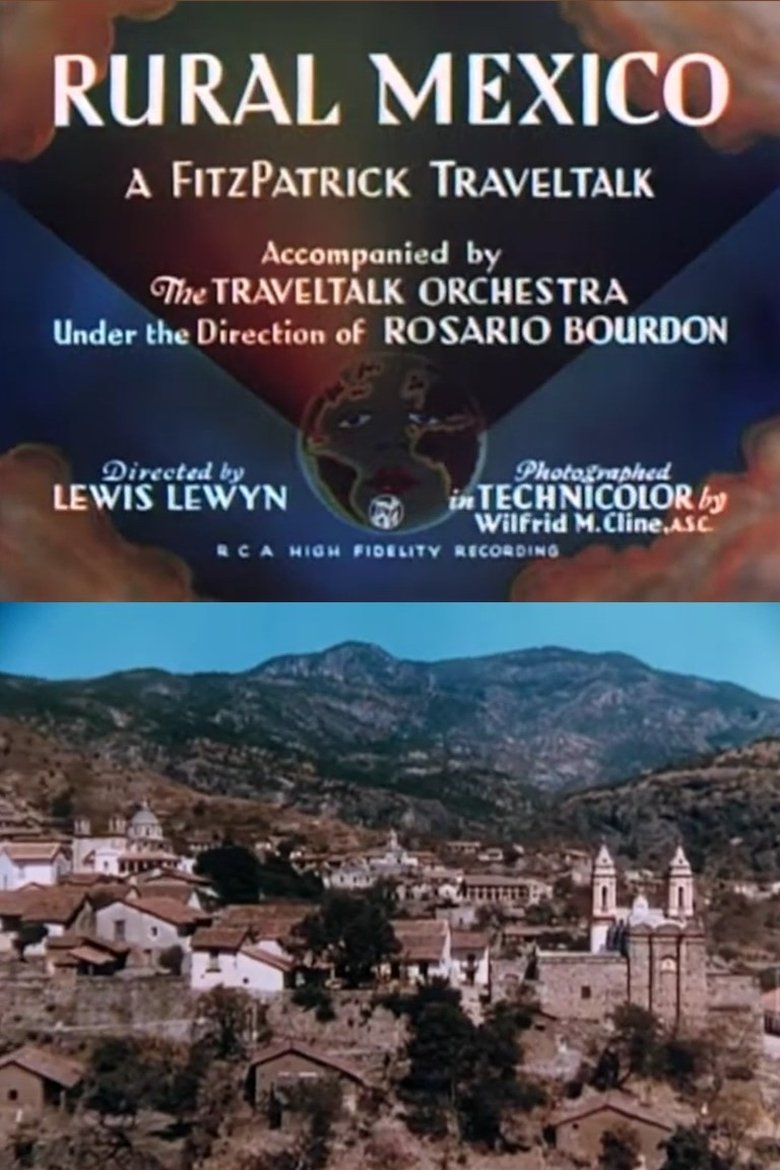
A Traveltalks visit to some small towns in Mexico. In Mazatlán, away from the tourist spots, we see a small village where fishing, growing coconuts, and gathering large sea turtles are the main pursuits. We then visit Toluca on market day, where people sell produce and pottery. The last stop is Taxco, where the Castilian influence of the Spanish conquerors is still prevalent.
Overall Score
Limited
Category Breakdown
LGBTQ+ Representation
The film lacks any depiction of LGBTQ+ characters or narratives. As an observational documentary from 1935, it does not address non-heteronormative identities.
Gender Representation
Representation appears to follow traditional labor divisions of the era. The footage focuses on communal activities like fishing and harvesting without subverting standard gender roles.
Racial & Ethnic Diversity
The film provides visibility to Mexican villages and local customs. However, the mention of Castilian influence in Taxco suggests an acknowledgment of colonial hierarchies.
Religious & Cultural Diversity
The documentary offers a window into non-Western daily life and economic structures. It maintains an outsider's perspective that may frame subjects through a lens of exoticism.
Disability Representation
There is no information available regarding the depiction of individuals with physical or neurodivergent disabilities.
Strengths
Areas for Improvement
AI Analysis
Rural Mexico acts as a historical ethnographic document that captures the daily rhythms of Mazatlán, Toluca, and Taxco. It succeeds in providing visibility to non-Western cultures and local industries like pottery and coconut harvesting. However, the film operates within the restrictive observational framework of 1930s travelogues. It documents traditional economic and social structures without attempting to challenge or disrupt existing hierarchies. Ultimately, while it offers cultural exposure, the work lacks the narrative depth to address progressive representation in gender, identity, or social critique.
1947
1945

1943
1954
1956
1941
1942
1934
1946
1909

1927
1955
No reviews yet. Be the first to share your thoughts on this movie!
Use the rating form above to leave a star rating and optional review.