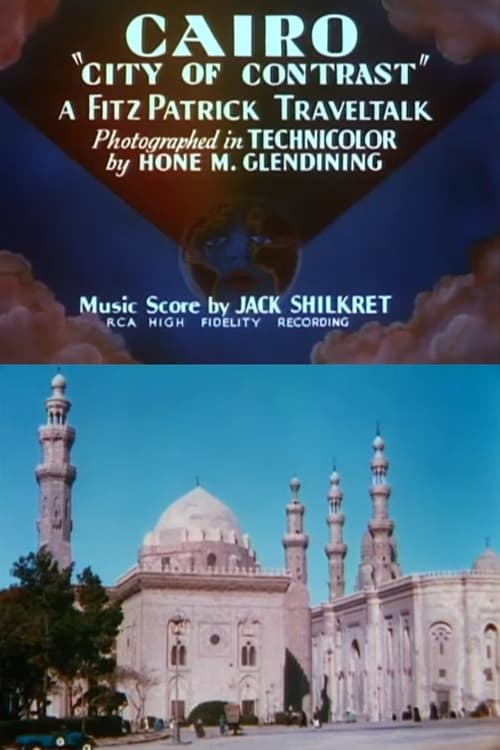
Cairo 'City of Contrast'
1938
No user ratings available yet
Representation score: 1.4 out of 10
Representation Score
Minimal
1935
PassedRuntime
10 minutes
Average Rating
No ratings yetNew Showbiz Analysis
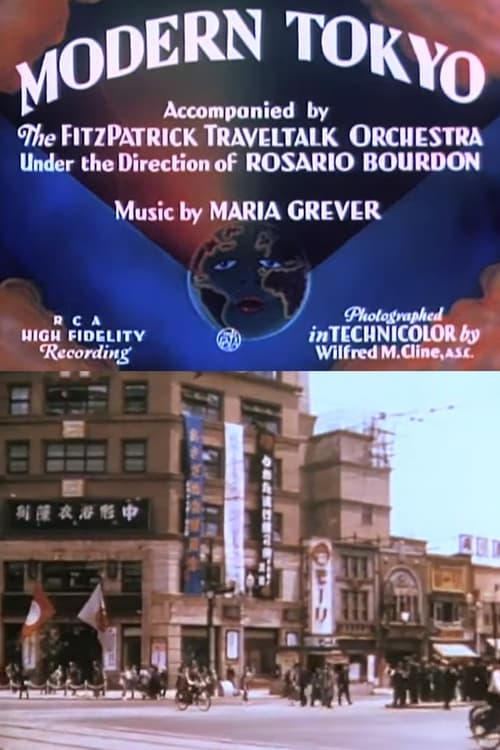
Modern Tokyo (1935) serves as a historical window into the rapid Westernization of the early Shōwa era. It captures a specific moment of urban evolution, contrasting traditional Japanese aesthetics with encroaching Western modernity. However, the film is a product of its time, prioritizing observational documentation over social complexity. It lacks any intentional representation of multi-layered identities, LGBTQ+ narratives, or disability issues, reflecting the cinematic limitations of the 1930s. Ultimately, the work serves as a period-specific artifact, documenting cultural shifts through a lens of idealized progress rather than providing a diverse or critical social commentary.
Category Breakdown
The film does not include any LGBTQ+ characters or narratives. It focuses on urban development and cultural shifts without exploring non-traditional gender identities.
Women are depicted in traditional roles such as fashion and commerce, functioning as subjects of observation rather than drivers of the narrative.
The film portrays a predominantly homogeneous Japanese population. Western cultural influences are highlighted, but they are presented as aesthetic changes rather than demonstrations of racial diversity.
The documentary examines the blend of Western capitalism and Japanese traditions without critically analyzing social or religious structures.
The film does not feature any characters with visible or invisible disabilities. It prioritizes an idealized view of urban progress typical of 1930s travelogues.
Present on Screen
Limited or Absent
Official Synopsis
This Traveltalk series short looks at pre-World War II Tokyo, highlighting the influences of Western culture.
1938

1927
1937

1985
1940
1937
1942
1937
No reviews yet. Be the first to share your thoughts on this movie!
Use the rating form above to leave a star rating and optional review.