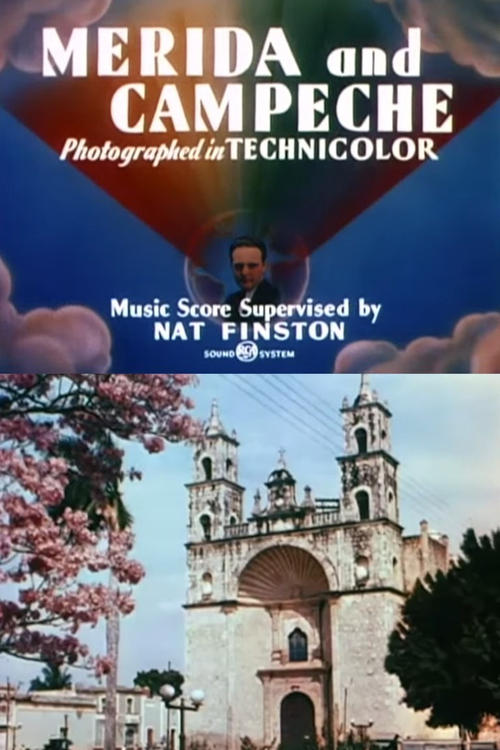
Merida and Campeche
1945
No user ratings available yet
Representation score: 1.7 out of 10

Representation Score
Minimal
1942
ApprovedDirector
James A. FitzPatrick
Runtime
9 minutes
Average Rating
No ratings yetNew Showbiz Analysis
Exotic Mexico operates as a mid-century ethnographic survey rather than a nuanced cultural study. While it provides visual visibility to Mexican and indigenous populations, the presentation leans heavily into exoticism. The subjects are treated as spectacles for a Western audience rather than individuals with complex ability to act. The film upholds the social hierarchies of its era, offering a Western-centric perspective that avoids challenging colonial power dynamics. Gender roles are depicted through a traditional lens, and there is a complete absence of LGBTQ+ or disability representation. Ultimately, the work serves as a historical artifact of the Traveltalk genre, prioritizing aesthetic landscapes and cultural vignettes over deep sociological inquiry or multi-layered depth.
Category Breakdown
The film does not include any characters with non-straight sexual orientations or non-cisgender identities. It adheres to the strict social norms and cultural views typical of 1942.
Women appear mainly in traditional domestic or ceremonial roles. The film does not show women as intellectual leaders or agents of narrative change.
Mexican and indigenous populations are visible but are presented through a lens of exoticism. They are shown as objects of observation rather than as complex, actively leading individuals.
The documentary presents a Western-centric view of Mexico. It focuses on the spectacle of foreign traditions without critiquing colonial or systemic power structures.
There is no evidence of characters with disabilities portrayed with real influence. Such identities were rarely central themes in 1940s ethnographic films.
Present on Screen
Limited or Absent
Official Synopsis
This Traveltalk short visits southern Mexico.
1945
1941
1942
1946
1941

1944
1939
1946
No reviews yet. Be the first to share your thoughts on this movie!
Use the rating form above to leave a star rating and optional review.