Roula
1995
No user ratings available yet
Diversity score: 3.4 out of 10
1996
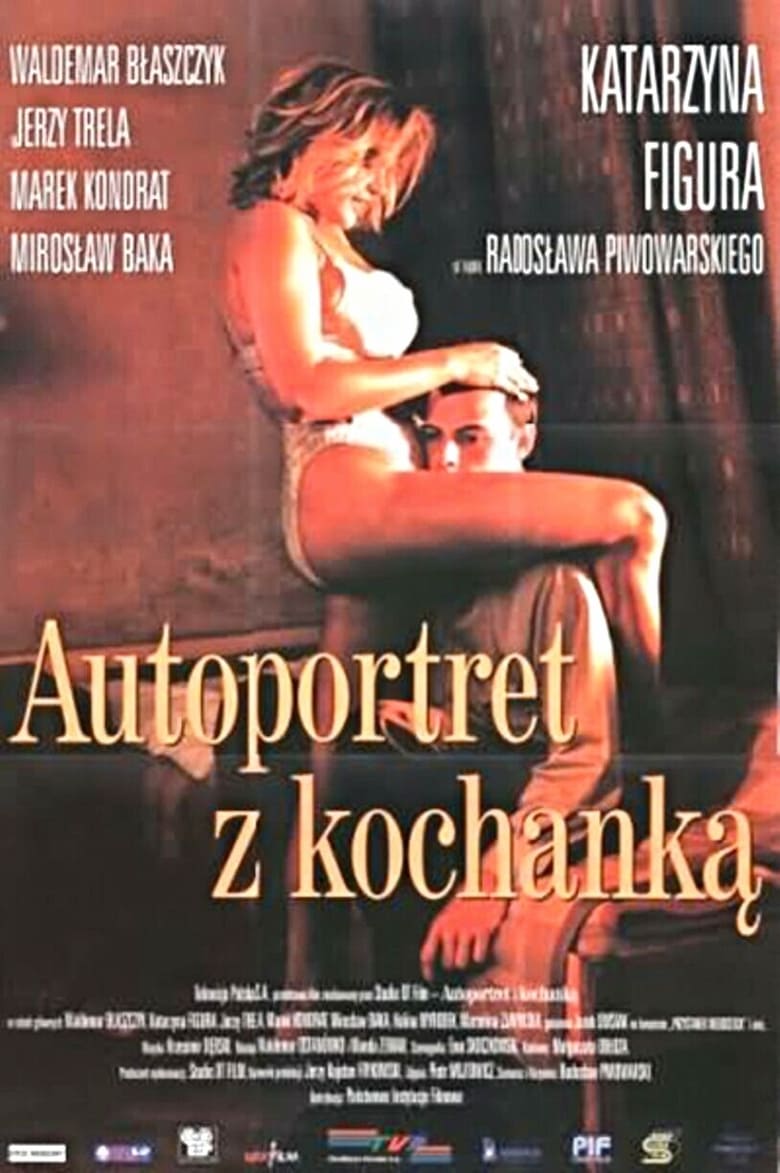
Director
Radosław Piwowarski
Runtime
83 minutes
Average Rating
No ratings yetSynopsis
It is July 1995. Kuba Mitura and his little daughter, Zuza, come to a great concert organised by Jurek Owsiak. Kuba tells the girl the story of his youth. It is 1988. The nineteen-year-old Kuba is a rebellious boy with two-coloured hair. He does not study or work. He lives with his father, a retired military man, bitter and apodictic and with his aunt. One day Kuba meets Diana, a beautiful and eccentric woman, a dozen or so years older than him, a person from the "hostile world". However, the two of them become friends. The father throws Cuba out of the house when he introduces Diana as his fiancée. Soon Diana and Cuba get married to a "hippie", but the military policemen, who have been sent by the father, take Cuba away. In the army, Cuba is doing absurd exercises under the watchful eye of Corporal Kos trying to raise him. The father takes the oath and Diana, who confesses to Cuba that she is pregnant and wants to give birth. But Cuba does not want to become a father.
Overall Score
Fair
Category Breakdown
LGBTQ+ Representation
The film explores romantic entanglements and complex intimacy. However, there is no definitive evidence of queer-centric narrative agency or explicit critiques of heteronormativity.
Gender Representation
Katarzyna Figura’s character provides central emotional agency. The narrative prioritizes a female perspective in power dynamics, though it retains some traditional period-drama gender expectations.
Racial & Ethnic Diversity
The production reflects the culturally homogeneous Polish cinematic landscape of the late 1990s. It does not engage with racial or ethnic diversity.
Religious & Cultural Diversity
The story favors subjective morality over religious dogma. It focuses on individual passions and psychological truths rather than state-sanctioned or institutional moralities.
Disability Representation
There is no evidence that neurodivergence or physical disabilities serve as central drivers for the character arcs.
Strengths
Areas for Improvement
AI Analysis
Self-Portrait with a Lover is a character-driven period drama that prioritizes psychological depth over rigid moralizing. It succeeds in centering the emotional agency of its female lead, offering a more nuanced look at interpersonal power dynamics than standard romantic tropes might suggest. However, the film is limited by its specific historical and cultural context. The cast is culturally homogeneous, and the narrative lacks visibility regarding racial, ethnic, or LGBTQ+ identities. This results in a narrow intersectional scope. Ultimately, the film functions as a study of individual truth. While it lacks modern breadth, it disrupts conventional certainties by focusing on the subjective experiences of its protagonists.
1995
1990

1982

1988
2001
1984
1989
1996
1993
1977
1975
1988
No reviews yet. Be the first to share your thoughts on this movie!
Use the rating form above to leave a star rating and optional review.