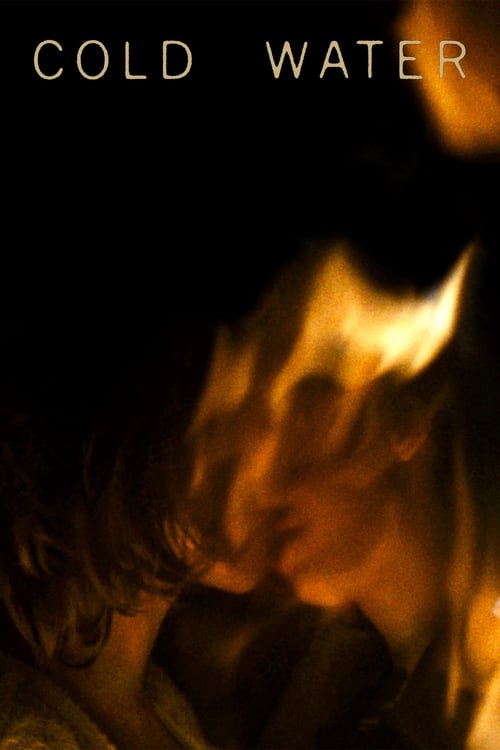
Cold Water
1994
No user ratings available yet
Representation score: 7.2 out of 10
Representation Score
Fair
1993
Director
Jean-Pierre De Decker
Runtime
92 minutes
Average Rating
No ratings yetNew Showbiz Analysis
The film is a traditional coming-of-age drama that finds its strength in character-driven narratives rather than broad diversity. It successfully challenges gender clichés through Sofie's active role in the plot. However, the production remains grounded in the conventional European cinematic norms of the early 1990s. It lacks depth in terms of racial and LGBTQ+ representation, which limits its overall impact. Ultimately, the film's influence comes from its critique of bourgeois detachment and the raw emotional reality of youth, even if it stays within a homogeneous demographic framework.
Category Breakdown
The story centers on a heterosexual first love. While it doesn't explicitly address queer themes, the portrayal of intense adolescent desire challenges the strict behavioral expectations set by adults.
Sofie plays a significant role in driving the plot forward by running away from home to stay with Ludovic. She is not a passive character but actively influences the story.
The film reflects a predominantly white European demographic. There is no indication of significant racial blending or non-white casting to diversify the traditional hierarchy.
The narrative criticizes Western middle-class institutions by showing emotionally distant parents. It portrays the children's rebellion against authority as a form of emotional liberation.
There is no evidence of characters with visible or invisible disabilities in the film.
Present on Screen
Limited or Absent
Official Synopsis
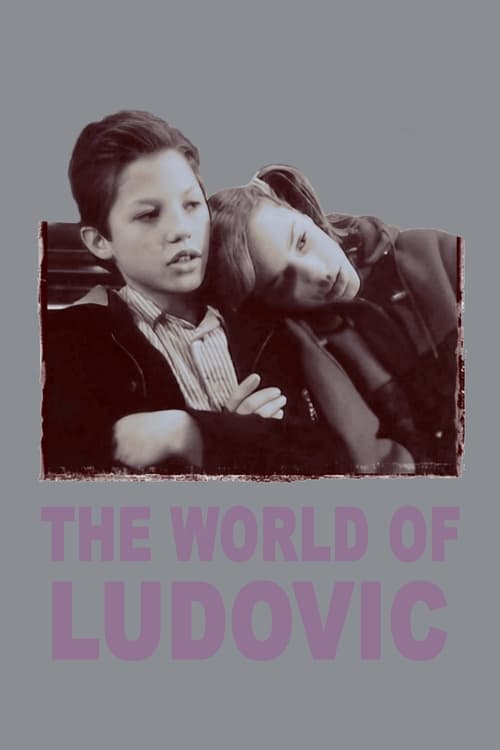
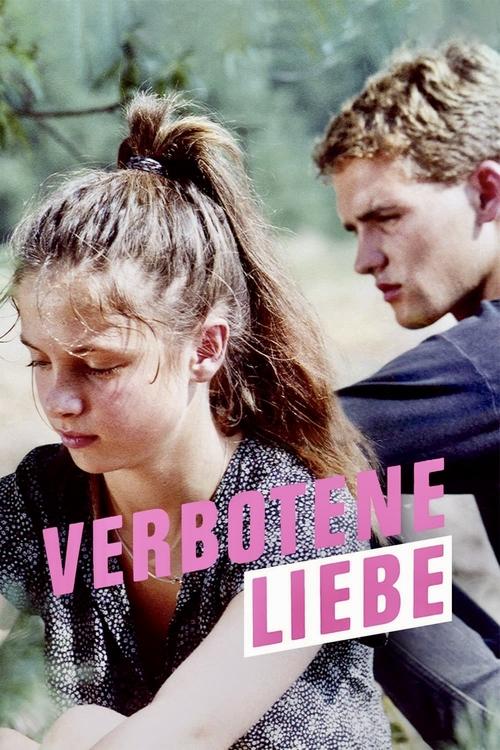
Ludovic, a 12-year-old boy from a well-off home who is neglected by his parents, who are part of the art scene, falls head over heels in love with Sofie, the daughter of a piano teacher, when he has to pass a test of courage in the schoolyard during recess. The cheeky girl with the two pigtails likes the boy who is interested in her. They soon get closer and meet in secret places in the city. It is the first love for both of them. Shortly after Sofie's father catches the two lovers in bed together in Sofie's room, Ludovic is sentaway from Brussels to spend time with his grandparents. But Sofie can't stand it without Ludovic and runs away from home to be with him. The lovers hide in abandoned buildings on the Belgian coast. While parents and police search for the couple, both youngsters find that it is pretty hard to beon their own, especially since an ominous photographer is lurking around the children.
1994
1984
1997

2014

1971

1989

1998
1990
No reviews yet. Be the first to share your thoughts on this movie!
Use the rating form above to leave a star rating and optional review.