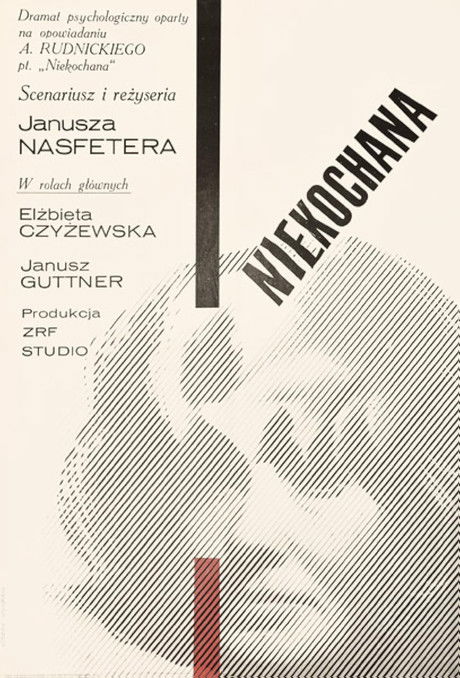
Unloved
1966
No user ratings available yet
Representation score: 3.8 out of 10

Representation Score
Fair
1984
PGDirector
Krzysztof Zanussi
Runtime
110 minutes
Average Rating
No ratings yetNew Showbiz Analysis
Krzysztof Zanussi’s drama transcends simple melodrama by grounding a romantic pairing in the geopolitical instability of post-war Europe. The film uses individual displacement to explore the tension between personal desires and systemic scarcity. The narrative's strength lies in its focus on women's roles and the ethical dilemmas posed by economic hardship. By centering the tension on the 'one ticket' dilemma, the film delves into complex human choices within a fractured world. While the film offers a nuanced look at cross-cultural relationships, it remains anchored in a traditional romantic framework without explicit representation of LGBTQ+ identities or specific disability advocacy.
Category Breakdown
The film focuses on a heterosexual relationship between Norman and Emilia. Despite the post-war context allowing for exploration of changing identities, there are no characters who do not identify with their assigned gender at birth.
Women play a significant role in driving the story. The central conflict revolves around the moral and strategic decisions made by Emilia and her mother, rather than the male lead.
The story brings together American and Polish cultures by pairing an American soldier with a Polish refugee. This cross-cultural connection avoids a narrow nationalist perspective.
The narrative emphasizes situational ethics and moral relativism. It uses the scarcity following the war to critique institutional stability and highlight the complex morality needed for survival.
A character's illness is used as a plot driver. However, it is unclear if this illness is meant to represent a disability or if it is merely a device to create scarcity.
Present on Screen
Limited or Absent
Official Synopsis
Shortly after World War II an American soldier (Norman) and a Polish refugee (Emilia) fall in love. Eventually he will return to the U.S. and both expect that she will soon follow him with her mother. Emilia's mother is sick, but will recover with the right medicine. But the mother, and not Emilia, knows that there will only be one ticket...
1966

1938
1988
1958

2015
1957
1997

1949
No reviews yet. Be the first to share your thoughts on this movie!
Use the rating form above to leave a star rating and optional review.