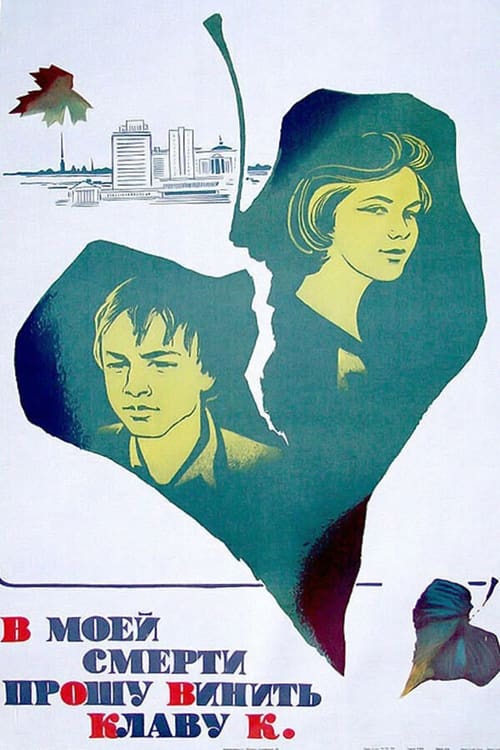
Please Accuse Klava K. of My Death
1979
No user ratings available yet
Representation score: 5.1 out of 10
Representation Score
Limited
1977
Director
Pavel Lyubimov
Runtime
96 minutes
Average Rating
No ratings yetNew Showbiz Analysis
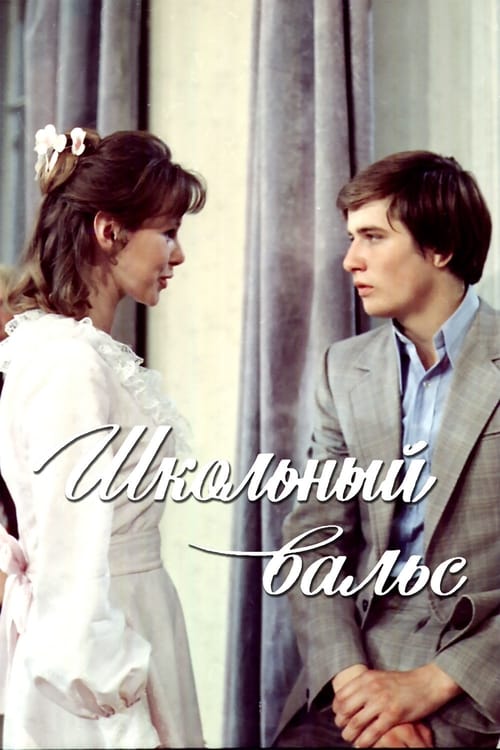
The School Waltz is a period-specific social drama that prioritizes the tension between youthful idealism and the responsibilities of adulthood. The plot follows the dissolution of a romance as the protagonist, Gosha, chooses social stability over emotional reciprocity. While the film offers a nuanced look at the complexities of marriage and the loss of innocence, it operates within the standard social constraints of its era. It relies on established hierarchies and conventional romantic structures rather than challenging them. Ultimately, the film functions as a traditional drama. It explores the consequences of individual choices within a community but lacks diverse character identities or characters who reflect more than one aspect of diversity.
Category Breakdown
The film focuses on traditional heterosexual relationships and does not include any characters with non-conforming gender identities or narratives that challenge the assumption that everyone is straight.
The film explores the emotional consequences of a woman's decision to marry, but it maintains traditional views on gender roles and relationships.
The cast likely reflects the homogeneous demographic typical of 1977 Soviet cinema, with no indication of intentional ethnic blending or diverse casting within the main conflicts.
The story emphasizes social duty and the weight of institutions like the registry office, focusing on internal moral dilemmas rather than specific religious or political ideologies.
The narrative contains no mention of characters with visible or invisible disabilities.
Present on Screen
Limited or Absent
Official Synopsis
The ten-graders Gosha and Zosya are in love with each other. The last school waltz has been played and it seems nothing stands any longer in the way of the young people being together. However, getting the news that he’s going to be a father soon, Gosha chooses a “free life” and… marries Dina who has long been in love with him, though with no reciprocity. But already at the registry office, the lucky winner realizes that getting Gosha as her husband doesn’t mean getting his love, that unintentionally she made her loved one unhappy and they have no future together…
1979

1970
1962
1964
1958
1961
1958
1973
No reviews yet. Be the first to share your thoughts on this movie!
Use the rating form above to leave a star rating and optional review.