
Dubravka
1967
No user ratings available yet
Representation score: 4.2 out of 10
Representation Score
Fair
1975
Director
Stanisław Jędryka
Runtime
86 minutes
Average Rating
No ratings yetNew Showbiz Analysis
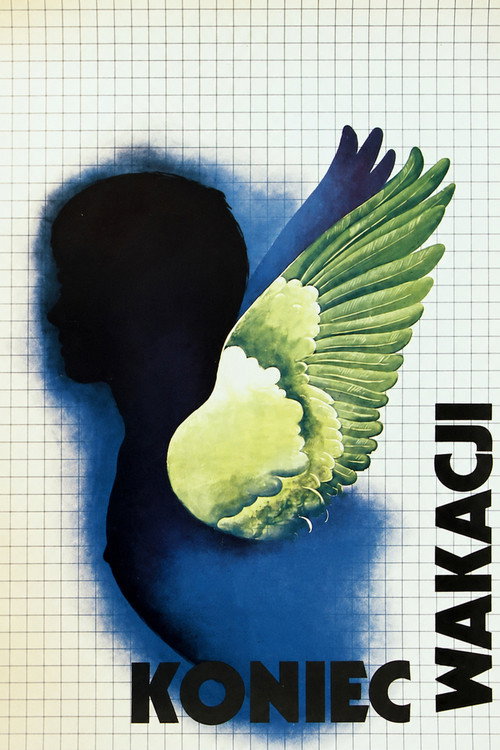
The End of the Holiday is a character-driven coming-of-age drama that adheres to the conventions of mid-70s European realism. It focuses on the emotional development of a young boy named Yurek during his summer vacations. The film functions as a traditional narrative rather than a vehicle for identity politics. It prioritizes humanist themes of adolescence and first love over systemic issues or ideological deconstruction. Because the film is situated in a specific historical and cultural context, it lacks the modern markers of intentional diversity or characters who reflect more than one aspect of diversity.
Category Breakdown
The film centers on a protagonist's first love, though the gender of the romantic interest remains ambiguous. There are no visible representations of non-binary gender identities or derogatory stereotypes.
The story follows Yurek, a fourteen-year-old male. The narrative does not appear to challenge traditional masculinity or subvert established gender roles.
As a 1975 Polish production, the film reflects a historically homogeneous cultural setting. It lacks evidence of diverse casting or intentional racial representation.
The film engages with universal themes of adolescence within a traditional family drama framework. It does not present narratives that disrupt conventional social structures.
There is no mention of characters with visible or invisible disabilities in this coming-of-age story.
Present on Screen
Limited or Absent
Official Synopsis
A coming of age story about fourteen years old Yurek, his adventures during the vacations and his first love.
1967
1975
1958
1978
1964
2005
1978
1972
No reviews yet. Be the first to share your thoughts on this movie!
Use the rating form above to leave a star rating and optional review.