
Love Is My Profession
1958
No user ratings available yet
Representation score: 1.9 out of 10
Representation Score
Limited
1988
RDirector
Claude Miller
Runtime
110 minutes
Average Rating
No ratings yetNew Showbiz Analysis
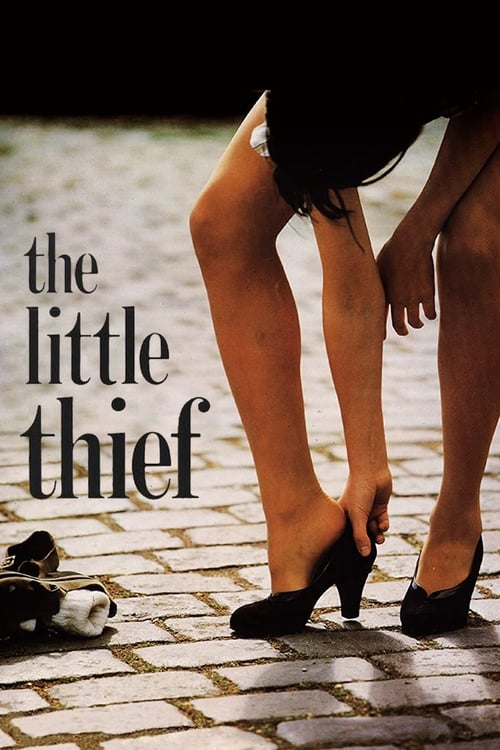
The Little Thief is a character-driven period drama that emphasizes psychological realism over broad social representation. While the protagonist takes a leading role in the story, the film remains rooted in the traditional demographics of its mid-century setting. The film functions primarily as a study of survival and obsession. It does not aim to offer progressive social commentary or multi-layered perspectives, instead focusing on individual morality within a specific historical context. Ultimately, the work adheres to the social norms of post-WWII France, providing a localized experience rather than a diverse or inclusive one.
Category Breakdown
The film focuses on traditional heterosexual relationships and does not include characters with non-binary gender identities or stories that challenge conventional norms.
Janine plays a significant role in driving the story as she navigates a dangerous world for survival. However, her journey also highlights her vulnerability within the patriarchal structures of the time.
Set in post-WWII France, the film features a predominantly white cast focused on a localized French environment without incorporating diverse backgrounds.
The film portrays theft as a survival tactic rather than purely criminal behavior. Western institutions like the nuclear family are shown as part of the backdrop without being critically examined.
There are no prominent characters with visible or invisible disabilities that play a key role in the narrative.
Present on Screen
Limited or Absent
Official Synopsis
In a small town in post-WWII France, 16-year-old Janine tries to improve her conditions by any means necessary. Three people—Michel, a married lover; Raoul, a fellow thief; Mauricette, a photographer she meets in prison—will help her learn from her mistakes.
1958
1959
1982
1979
1960
1970
1933
1999
No reviews yet. Be the first to share your thoughts on this movie!
Use the rating form above to leave a star rating and optional review.