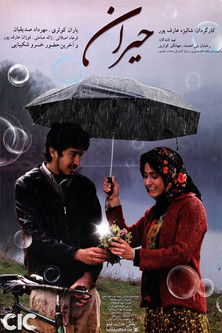
Heiran
2010
No user ratings available yet
Representation score: 5.4 out of 10
Representation Score
Fair
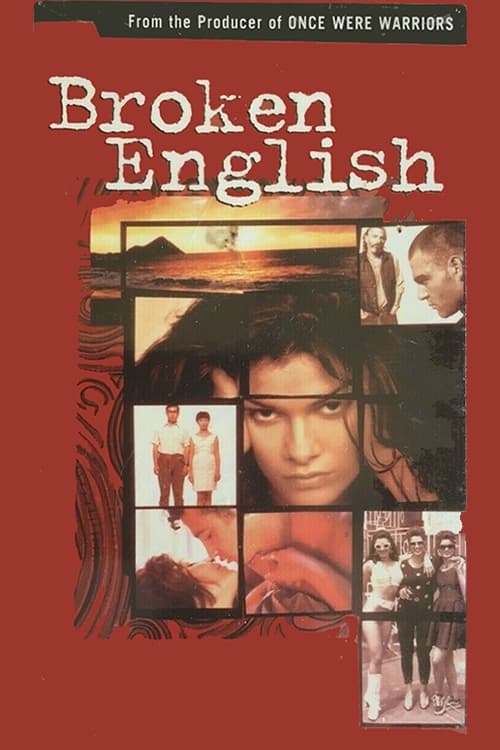
1996
NC-17Director
Gregor Nicholas
Runtime
92 minutes
Average Rating
No ratings yetNew Showbiz Analysis
Broken English is a compelling exploration of identity and displacement within a diverse Auckland setting. It succeeds by avoiding Anglo-centric storytelling and featuring a mix of characters from Croatian, Māori, and Chinese backgrounds. The film's strength lies in its portrayal of multi-layered identities, particularly through the struggles of refugees and immigrants. It provides a nuanced look at how different cultural backgrounds intersect and influence each other. However, the film falls short in representing LGBTQ+ and disability perspectives. While Nina's character challenges patriarchal norms, the narrative remains strictly focused on heterosexual relationships.
Category Breakdown
The film focuses solely on heterosexual and cisgender relationships, with no representation of LGBTQ+ identities or perspectives.
Nina challenges traditional patriarchal structures by taking control of her own journey towards independence. Her quest for freedom contrasts sharply with the restrictive leadership of her father.
The story stands out by featuring a diverse cast of characters from Croatian, Māori, and Chinese backgrounds. This avoids Anglo-centric clichés and explores the overlapping aspects of identity among different groups.
The film critiques Western ideas of home stability by highlighting the instability faced by immigrants. It portrays the family as a place of conflict and displacement.
The film does not feature any characters with visible or invisible disabilities that play a central role in the narrative.
Present on Screen
Limited or Absent
Official Synopsis
Ivan is the fierce patriarch of a family of Croatian refugees living in Auckland during the Yugoslav wars. Nina is his daughter, ready to live on her own, despite his angry objections. Eddie is the Maori she takes as her lover. Nina works at the restaurant where Eddie cooks. For a price, she agrees to marry another restaurant employee, a Chinese man, so that he can establish permanent residency. The money gives her the independence she needs to leave her parents' house and move in with Eddie. Complications arise when Eddie realizes the depth of her father's fury and the strength of Nina's family ties.
2010

1991

1990

1974
2006

2004

2007
2001
No reviews yet. Be the first to share your thoughts on this movie!
Use the rating form above to leave a star rating and optional review.