The High Wall
1964
No user ratings available yet
Representation score: 3.6 out of 10
Representation Score
Good
1988
Director
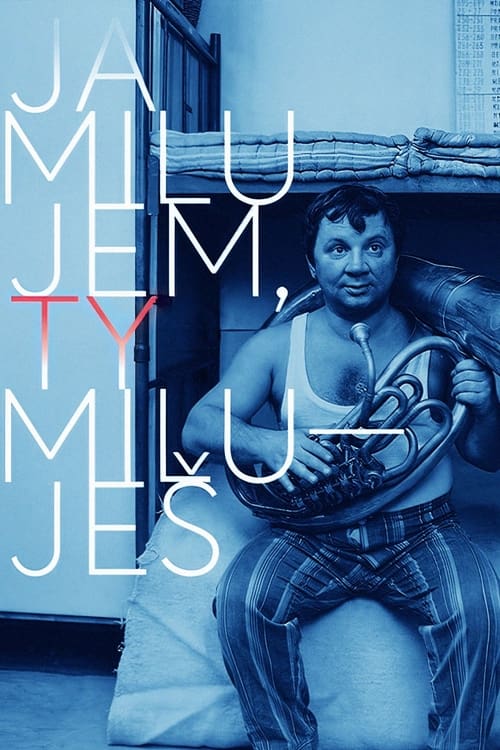
Dušan Hanák
Runtime
100 minutes
Average Rating
No ratings yetNew Showbiz Analysis
Dušan Hanák’s work challenges the rigid social and political orthodoxies of its era. By centering on a protagonist who fails to meet traditional standards of masculine competence, the film subverts the expected archetypes of romantic drama. The narrative prioritizes the internal struggles of the individual against systemic inadequacies. This focus on human frailty and the deconstruction of the idealized family unit provides a progressive look at social stability. While demographic diversity is limited by the film's specific historical and geographic context, its thematic depth regarding vulnerability and institutional critique offers significant social insight.
Category Breakdown
The story centers on unrequited heterosexual longing and Pišta's isolation. While no explicit queer identities are depicted, the film's focus on social alienation offers a space for non-traditional interpersonal dynamics.
The film disrupts traditional hierarchies by portraying a vulnerable male protagonist who lacks control over his fate. Female characters like Viera possess emotional ability to act, guiding Pišta's romantic aspirations.
Set in late 20th-century Czechoslovakia, the film reflects a relatively homogeneous demographic. The narrative focuses on the internal social strata of the working class rather than racial blending.
The film excels by prioritizing individual truth over state-mandated ideals. It deconstructs the idealized family unit through the protagonist's relationship with his senile mother and his struggle against oppressive systems.
The film offers a nuanced look at physical and cognitive vulnerabilities. It treats Pišta's physical stature with psychological depth and provides a realistic, non-idealized view of age-related cognitive decline.
Present on Screen
Limited or Absent
Official Synopsis
The drama called I Love, You Love was made in 1980 but because of the absurd ideological ban, the film entered cinemas nine years later. Pišta is an unmarried man who works at a freight wagon which carries letters and parcels. Alcohol helps him to overcome his handicap of being short and not good-looking. He wishes he had a woman, but the woman he really wants, ageing Viera who reloads the cargoes, has a soft spot for another man. So, Pišta has nobody and nothing, except for senile mother who sometimes fails to recognize him. The film received Silver Bear for Best Director at the International Film Festival in Berlin.
1964

1971
1957
1974

1988
1965
1985
1997
No reviews yet. Be the first to share your thoughts on this movie!
Use the rating form above to leave a star rating and optional review.