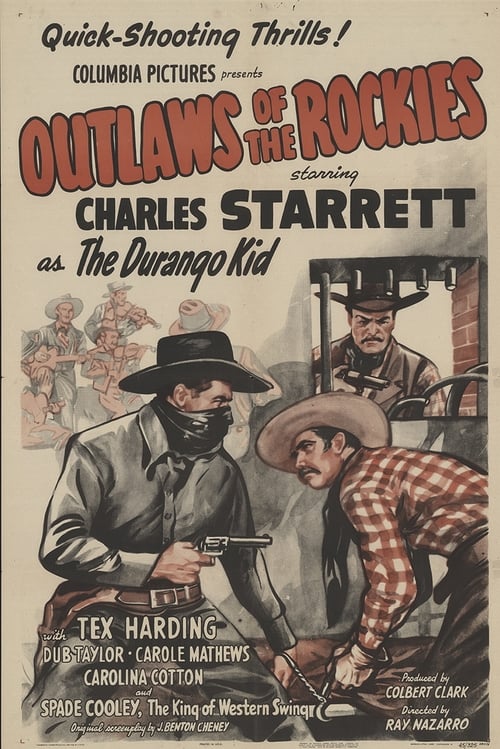
Outlaws of the Rockies
1945
No user ratings available yet
Representation score: 0.9 out of 10
Representation Score
Minimal
1951
ApprovedDirector
Ray Nazarro
Runtime
54 minutes
Average Rating
No ratings yetNew Showbiz Analysis
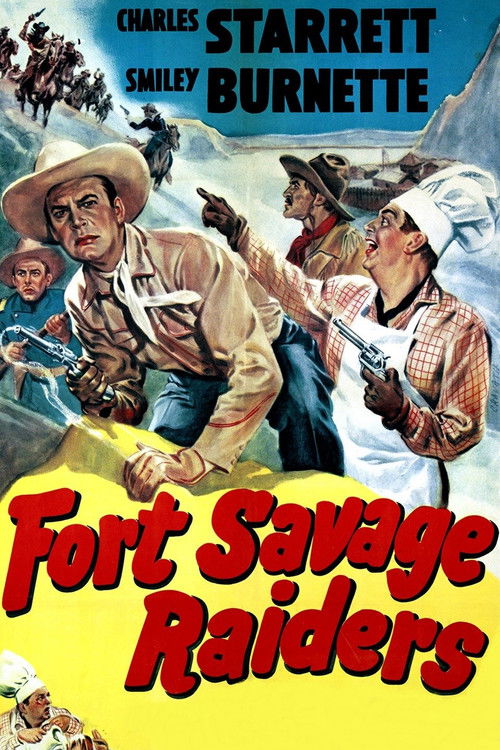
Fort Savage Raiders is a classic B-Western that prioritizes traditional genre conventions over social complexity. The film relies on established moral binaries, pitting a law-abiding hero against escaped prisoners to drive the plot. Representation is heavily centered on traditional masculine authority. By focusing on the dual roles of Steve Drake and the Durango Kid, the film reinforces the strongman protector archetype without exploring diverse social perspectives. Ultimately, the film serves as a typical product of its time. It adheres to the rigid structural constraints of 1950s filmmaking, emphasizing institutional law and conventional social hierarchies without challenging them.
Category Breakdown
The film does not include any LGBTQ+ characters or non-straight identities. It follows the typical masculine hero stereotypes common in 1951.
The story focuses on male-driven conflict and the main character’s role in driving the plot. Charles Starrett embodies traditional masculine leadership through his roles as a peacekeeper and vigilante.
The film follows a conventional Western framework centered around frontier justice. It features a white protagonist and lacks significant racial diversity or ability to act for non-white characters.
The plot emphasizes traditional mid-20th-century values by highlighting the restoration of order. It underscores the triumph of law-abiding citizens over lawbreakers.
The film does not address disability, neurodivergence, or chronic illness. These elements are not part of the narrative or character development.
Present on Screen
Limited or Absent
Official Synopsis
Fort Savage Raiders is another entry in Charles Starrett's "Durango Kid" western series. Starrett once again does double duty as a peacekeeper named Steve (this time his last name is Drake) and as masked avenger Durango. The heavy of the piece is escaped military prisoner Craydon (John Dehner) who, with several other fugitives from justice, forms an army of terrorists.
1945
1966
1948
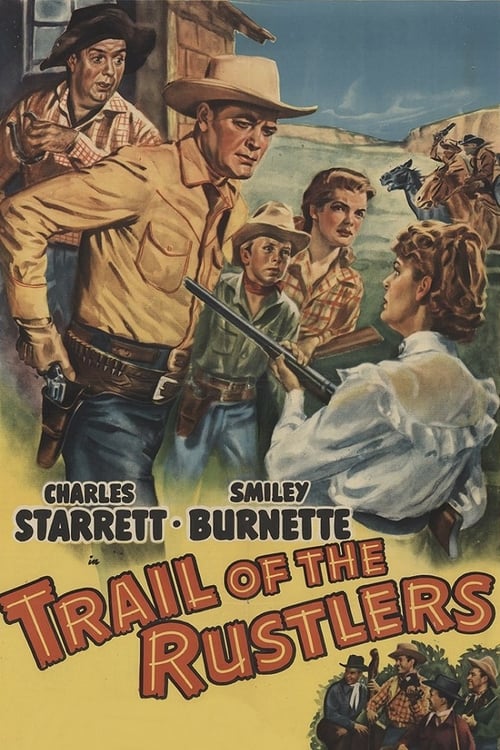
1950
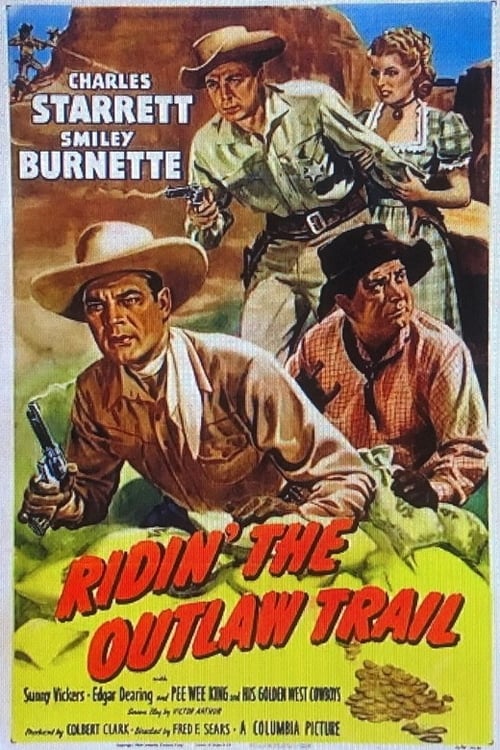
1951
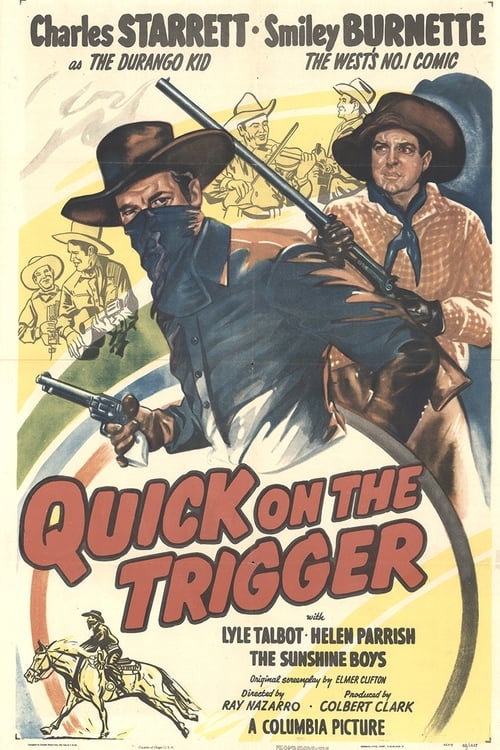
1948
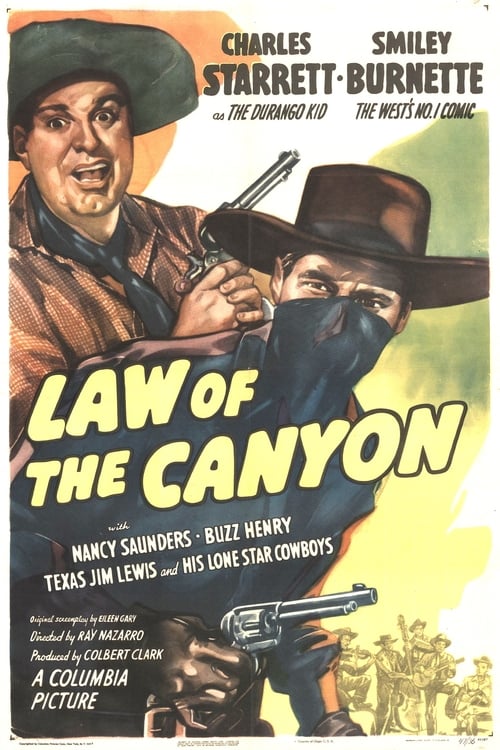
1947
1946
No reviews yet. Be the first to share your thoughts on this movie!
Use the rating form above to leave a star rating and optional review.