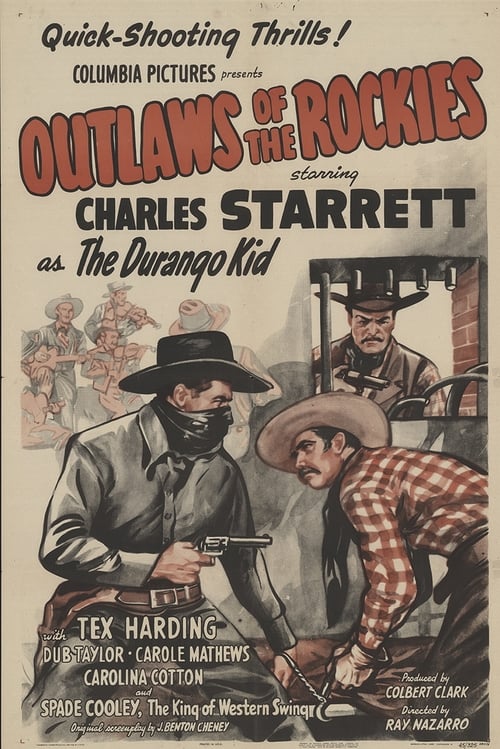
Outlaws of the Rockies
1945
No user ratings available yet
Representation score: 0.9 out of 10
Representation Score
Minimal
1945
ApprovedDirector
Ray Nazarro
Runtime
55 minutes
Average Rating
No ratings yetNew Showbiz Analysis
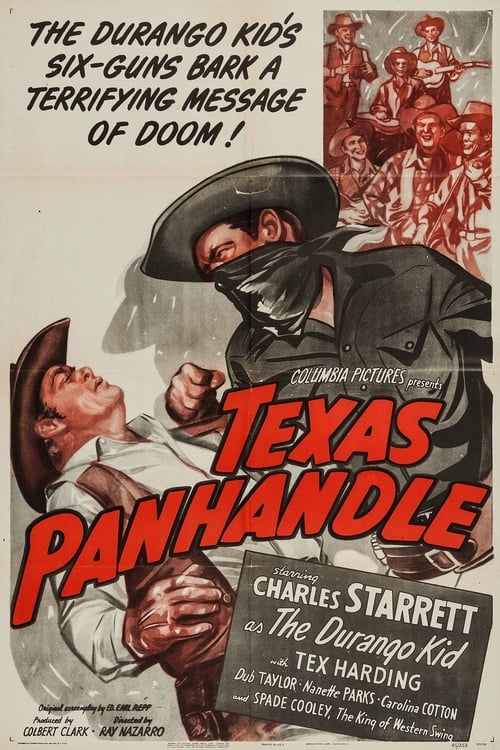
Texas Panhandle is a conventional B-Western that mirrors the social norms of its time. Its narrative structure is based on established genre clichés rather than exploring multiple aspects of identity. The film upholds the hierarchical structures prevalent in the mid-20th century, especially concerning gender and race. It centers on a masculine-driven storyline focused on the protagonist's reputation and professional integrity within a traditional society. Overall, the film aligns with the demographic standards of 1940s American cinema, offering minimal subversion of the prevailing norms.
Category Breakdown
The film does not include any LGBTQ+ characters or stories that explore non-straight relationships. It sticks to the traditional romance and social dynamics typical of 1945 cinema.
The story revolves around a male protagonist dealing with professional skepticism. Female characters are portrayed in traditional roles as romantic interests and do not play significant roles in driving the plot.
The film features a cast that reflects the homogeneous nature of 1945 Hollywood. It adheres to a white-centric frontier narrative without showcasing diverse characters in prominent roles.
The plot highlights traditional Western values such as law and order. It focuses on restoring an individual's reputation within a well-established social order without questioning these norms.
There are no characters with visible or invisible disabilities playing key roles in the narrative or serving as central plot devices.
Present on Screen
Limited or Absent
Official Synopsis
Steve Holden, a secret service agent, is suspended when his boss becomes suspicious of his activities as The Durango Kid. Can Steve prove his innocence?
1945
1945
1946
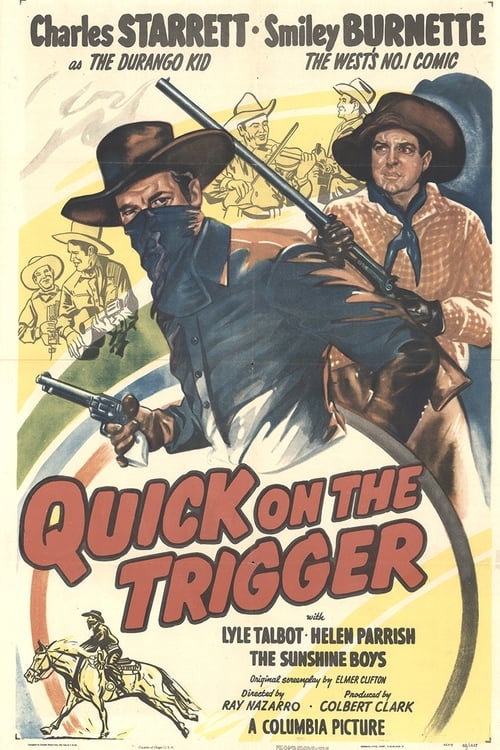
1948
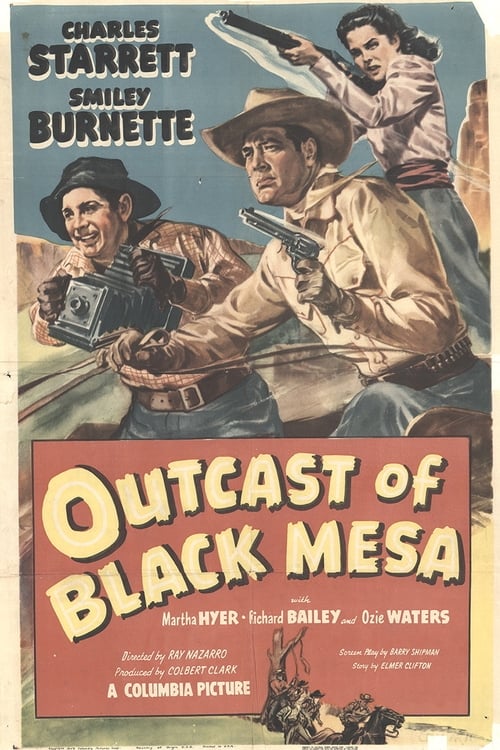
1950
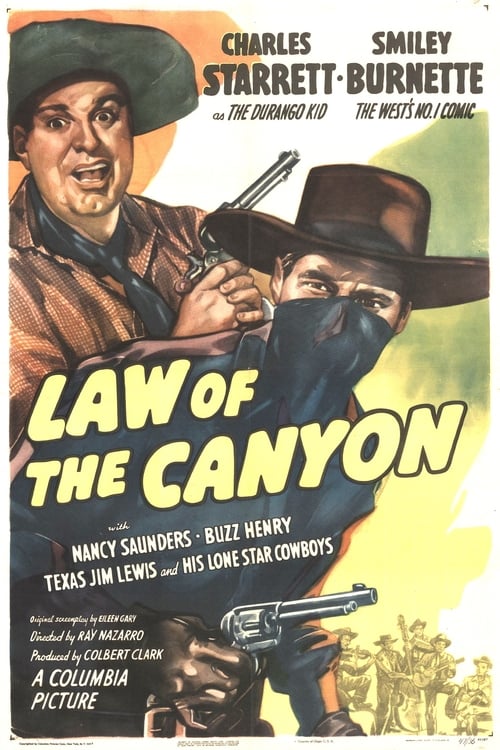
1947
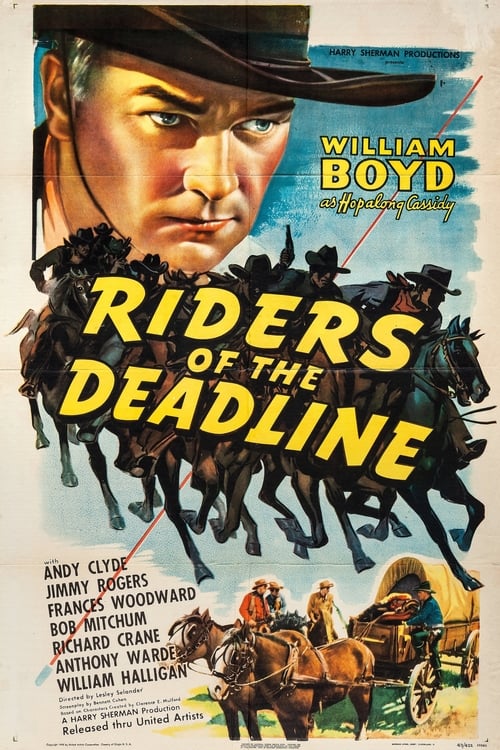
1943
1942
No reviews yet. Be the first to share your thoughts on this movie!
Use the rating form above to leave a star rating and optional review.