Outlaws of the Rockies
1945
No user ratings available yet
Representation score: 0.9 out of 10
Representation Score
Minimal
1948
ApprovedDirector
Ray Nazarro
Runtime
55 minutes
Average Rating
No ratings yetNew Showbiz Analysis
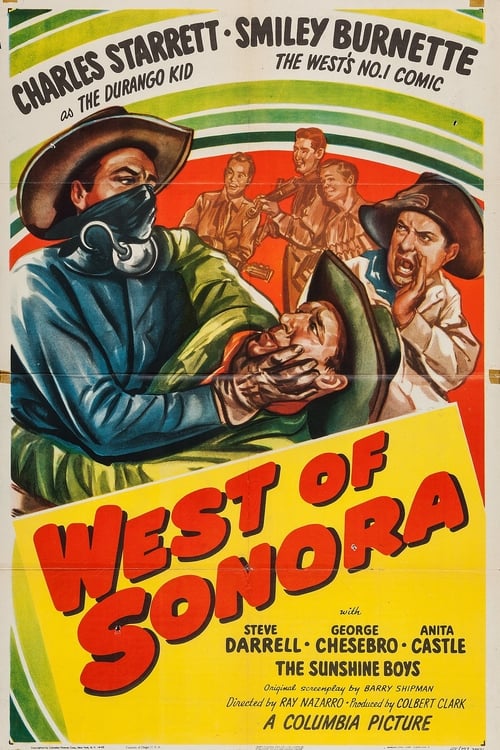
West of Sonora is a quintessential mid-century B-Western that prioritizes established genre conventions over social subversion. The film relies on traditional archetypes, centering its action on a singular male hero who restores order to a white-dominated frontier. The narrative reinforces mid-century hierarchies, offering little room for diverse identities or perspectives. It functions as a reinforcement of the era's dominant cultural norms rather than a challenge to them.
Category Breakdown
The film follows a strictly straight-centered framework. There is no evidence of non-traditional gender identities or same-sex relationships within the story.
Narrative ability to act rests almost exclusively with the male protagonist, Steve Rollins. While Penelope Clinton drives the plot emotionally, she remains a protected subject rather than an independent agent.
The cast is largely homogeneous, centering on a white-dominated frontier social order. The film lacks significant racial diversity or non-Anglo-Saxon characters in positions of power.
The story emphasizes traditional Western morality and individual heroism. It seeks to restore community order rather than deconstructing traditional institutions like the family or legal system.
Characters function within a standard physical paradigm typical of action Westerns. There are no visible or invisible disabilities portrayed with significant roles.
Present on Screen
Limited or Absent
Official Synopsis
Western star Charles Starrett was amazing; he kept making the same film over and over, but always made it seem as if it was for the first time. In West of Sonora, Starrett once again plays a frontier good-guy named Steve (Steve Rollins, to be exact), who, when the need arises, disguises himself as The Durango Kid, masked righter of wrongs. This time, Steve/Durango champions the cause of 10-year-old Penelope Clinton (Anita Castle), who has spent her short life as the focus of a feud between her grandfathers, suspected outlaw Black Murphy (Steve Darrell) and Sheriff Jack Clinton (George Cheseboro).
1945
1950
1948
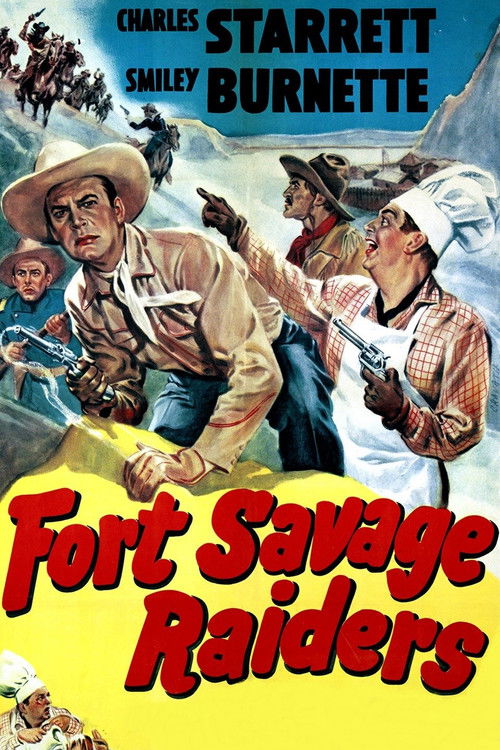
1951
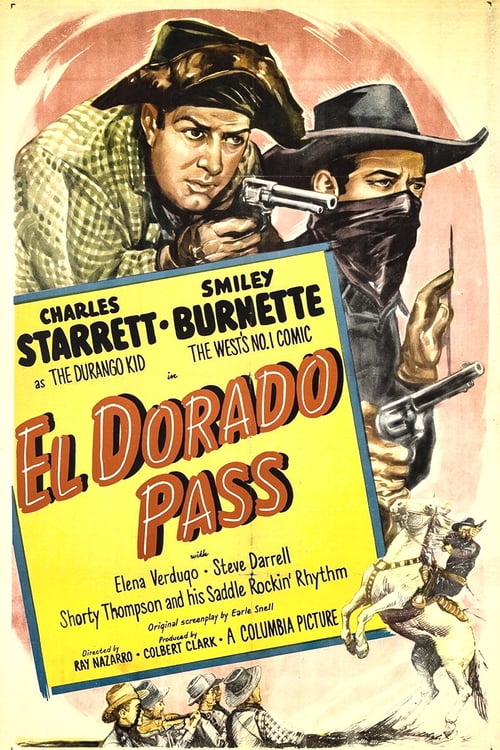
1948
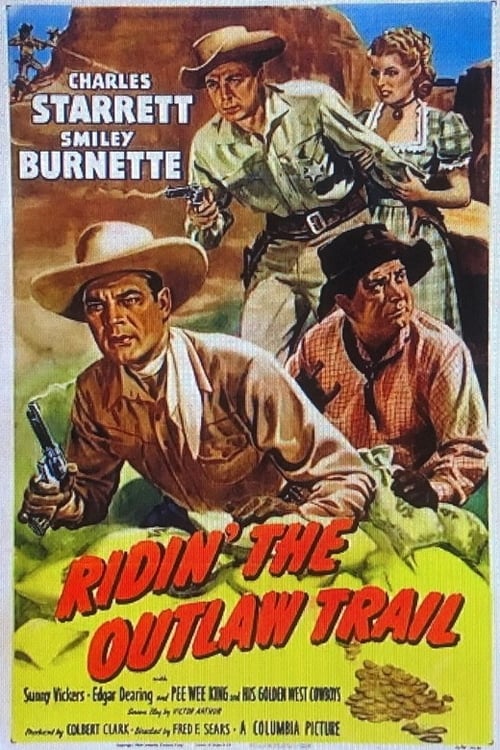
1951
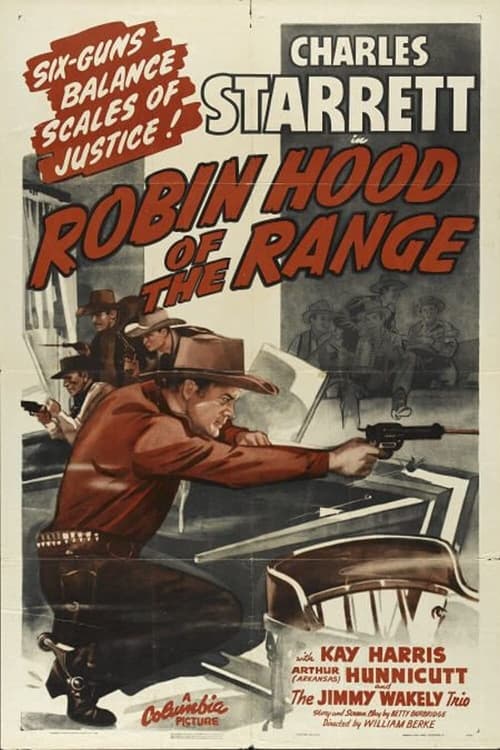
1943
1946
No reviews yet. Be the first to share your thoughts on this movie!
Use the rating form above to leave a star rating and optional review.