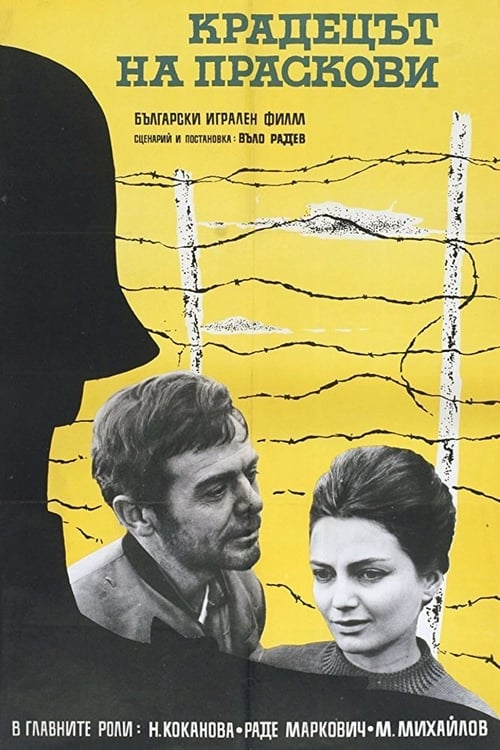
The Peach Thief
1964
No user ratings available yet
Representation score: 5.0 out of 10
Representation Score
Limited
1961
Director
Binka Zhelyazkova
Runtime
110 minutes
Average Rating
No ratings yetNew Showbiz Analysis
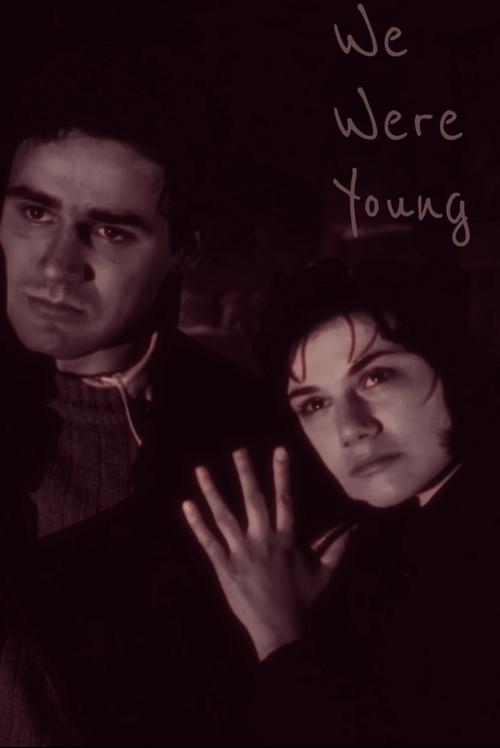
We Were Young is a historical drama that challenges traditional gender roles by placing women at the center of political resistance. While it highlights women's ability to drive the story in a wartime setting, the film is limited by its historical and regional specificity. It lacks representation for LGBTQ+ identities and disabilities, and the cast remains ethnically homogeneous, reflecting the specific Bulgarian context of the 1940s. Ultimately, the film serves as a critique of oppressive state institutions. It portrays a collective struggle against an oppressive regime, though it does not meet modern standards for diverse representation.
Category Breakdown
The film does not include any explicit LGBTQ+ narratives or characters with non-cisgender identities. The central romance focuses on a traditional heterosexual relationship, reflecting the cultural norms of 1961 Bulgaria.
Women are shown as active participants in the anti-fascist resistance rather than passive romantic interests. Female characters are integrated into high-stakes political scenarios, challenging traditional gender roles.
The cast is predominantly of one ethnicity, reflecting the demographics of 1940s Sofia. The focus is on the specific ethnic identity of the Bulgarian resistance against Axis powers.
The film critiques contemporary power structures by depicting state authorities as oppressive. It emphasizes collective social movements and youthful idealism over individual pursuits.
There is no focus on physical, neurodivergent, or sensory disabilities. Characters are defined by their political involvement and socioeconomic status within the resistance movement.
Present on Screen
Limited or Absent
Official Synopsis
During Second World War a beautiful love between two young people burns out against the background of the Nazi reality.
1964
1958
2006

1960

1962

1957
1993
2018
No reviews yet. Be the first to share your thoughts on this movie!
Use the rating form above to leave a star rating and optional review.