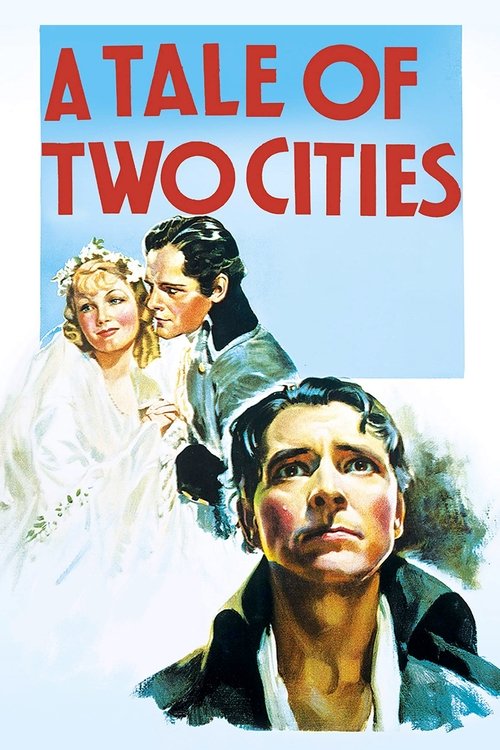
A Tale of Two Cities
1935
No user ratings available yet
Representation score: 2.5 out of 10
Representation Score
Limited
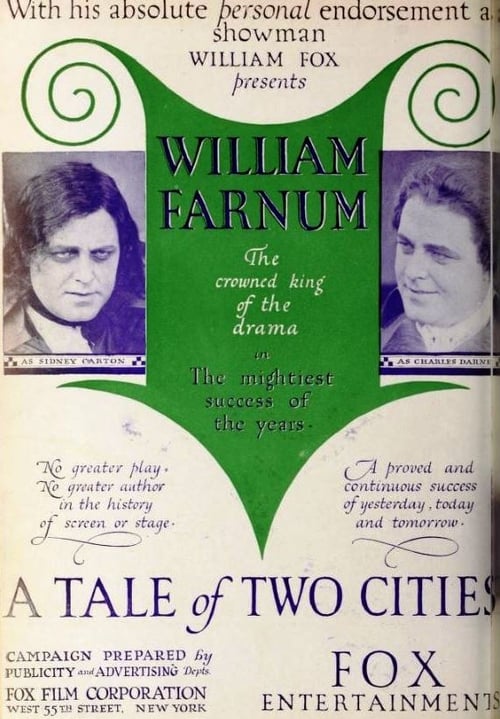
1917
Director
Frank Lloyd
Runtime
70 minutes
Average Rating
No ratings yetNew Showbiz Analysis
Frank Lloyd's production is a period-accurate historical drama that follows early 20th-century cinematic conventions. It emphasizes individual moral journeys and traditional narrative structures over challenging social hierarchies. The film successfully illustrates the tension between classes and the breakdown of institutional authority. However, it does so through a conventional lens that lacks modern perspectives on diversity. Ultimately, the work operates as a traditional drama where character development is shaped by gendered clichés and localized European history rather than a broad range of lived experiences.
Category Breakdown
The film focuses on a traditional heterosexual relationship without any depiction of non-straight or non-cisgender identities.
Lucie Manette provides emotional support for the male leads but does not have a significant role in driving political or physical action.
The cast is mostly white, reflecting the demographics of the time. The film centers on a localized European conflict without considering different backgrounds.
The narrative examines the fall of the Church and Aristocracy during the French Revolution, highlighting systemic inequalities and the corruption of the old system.
There is no meaningful portrayal of physical or neurodivergent disabilities. Characters' struggles are defined by socioeconomic status and political danger.
Present on Screen
Limited or Absent
Official Synopsis
At the outbreak of the French Revolution, Charles Darnay goes to Paris to rescue an imprisoned former family servant. He is himself imprisoned and condemned by the revolutionary forces there. His wife, the former Lucie Manette, is secretly loved by a gentlemanly wastrel, Sydney Carton. Carton embarks on a daring plan to save the husband of the woman he loves.
1935
1921
1958

1995
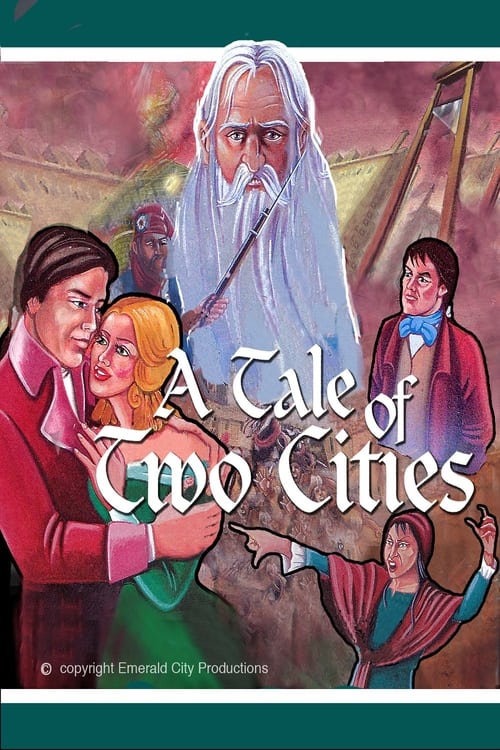
1990

1983
2000
1998
No reviews yet. Be the first to share your thoughts on this movie!
Use the rating form above to leave a star rating and optional review.