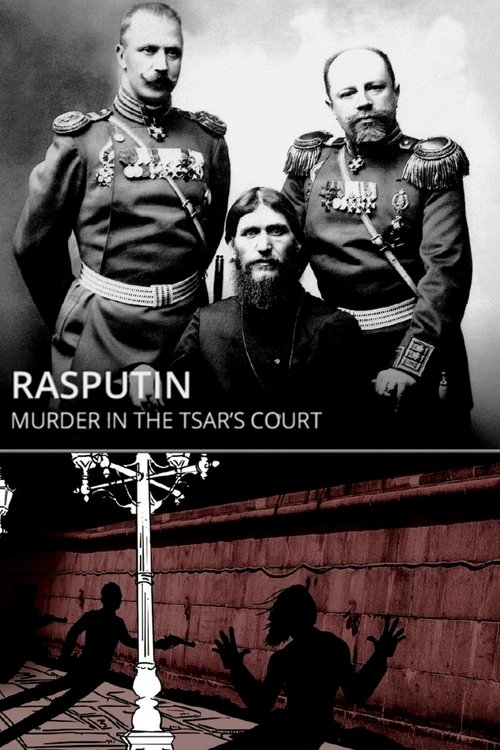
Rasputin: Murder in the Tsar's Court
2016
No user ratings available yet
Representation score: 1.8 out of 10

Representation Score
Minimal
2000
Director
Gleb Panfilov
Runtime
135 minutes
Average Rating
No ratings yetNew Showbiz Analysis
Gleb Panfilov's drama emphasizes atmospheric depth and historical authenticity over the subversion of social norms. The film serves as a tragic study of a specific class and its systemic collapse during the Bolshevik Revolution. By adhering strictly to the social structures of the Russian aristocracy, the film lacks multi-layered complexity. The narrative reinforces traditional roles and institutional hierarchies rather than challenging them. Ultimately, the film is a period-accurate exploration of the Romanov family's demise, operating within the constraints of its historical setting rather than contemporary progressive ideals.
Category Breakdown
The film focuses solely on the historical domestic life of the Imperial family and does not depict any non-cisgender identities or same-sex relationships.
Gender roles in the film reflect the strict hierarchies of the early 20th century. While Empress Alexandra is given emotional depth, her role remains confined to maternal and domestic duties.
The cast is predominantly made up of actors who resemble the ethnic makeup of the Russian nobility. The film maintains a traditionalist approach to historical accuracy without incorporating diverse ethnicities.
The narrative centers on the decline of the monarchy and the Russian Orthodox Church. It portrays the Church as a cornerstone of the old order during the revolution.
The film does not prominently feature any visible or invisible disabilities that serve as central narrative drivers.
Present on Screen
Limited or Absent
Official Synopsis
The story of the last year and a half of Tsar Nicholas II and his family from the February Revolution of 1917 to their execution in July 1918.
2016

1957

1918
1997

2017

1987

1971

2012
No reviews yet. Be the first to share your thoughts on this movie!
Use the rating form above to leave a star rating and optional review.