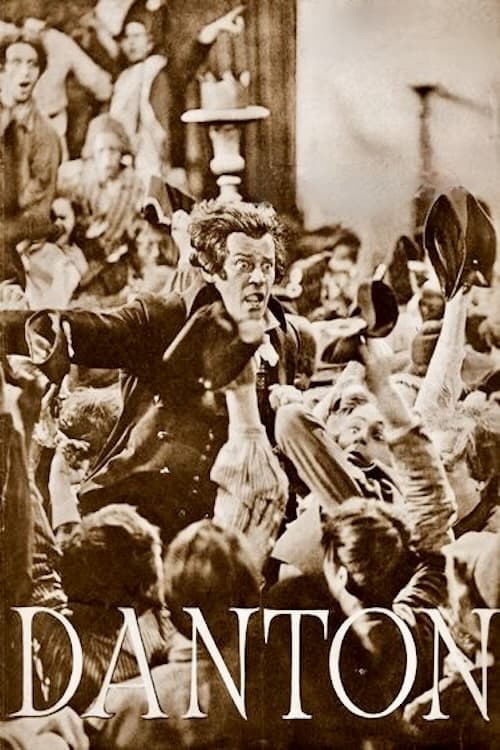
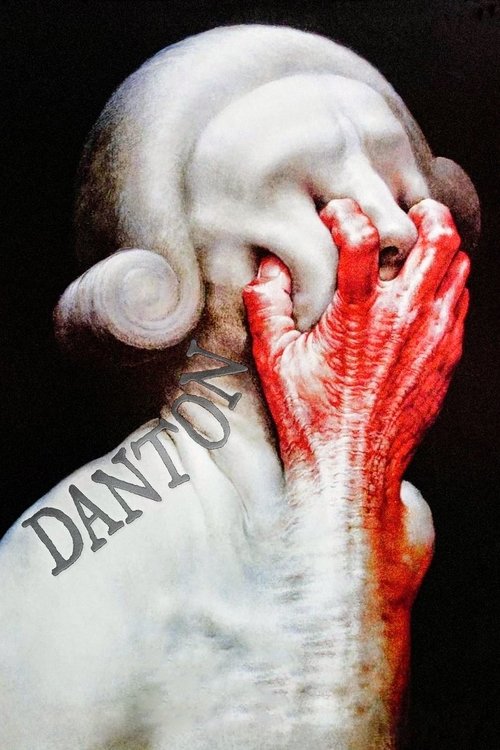
Danton
1931
No user ratings available yet
Representation score: 1.4 out of 10
Representation Score
Minimal
1983
PGDirector
Andrzej Wajda
Runtime
136 minutes
Average Rating
No ratings yetNew Showbiz Analysis
Wajda’s film is a deep exploration of power and ideological purity. It effectively critiques how institutionalized ideology can become a tool for systemic harm. The narrative avoids simplistic moralizing, instead delving into complex moral relativism. However, the film lacks demographic diversity. The focus on the historical period leads to an ethnically homogeneous cast and a strictly patriarchal political landscape. The absence of diverse identities limits the film's representational range. Ultimately, the work prioritizes intellectual subversion over identity-based inclusion. It is a study of systemic violence rather than a diverse social tapestry.
Category Breakdown
The film does not include any LGBTQ+ characters or stories. The plot revolves around the male-dominated world of political strategy and warfare.
The story focuses mainly on a male-dominated political environment. Female characters are placed on the sidelines, as the main conflicts are driven by male characters.
The cast is made up of actors from similar ethnic backgrounds, sticking closely to a traditional European historical perspective. There is no attempt to diversify the cast to reflect a more modern setting.
The film does well in breaking down Western institutions and criticizing the corruption of absolute state power. It portrays the revolution as a contested, subjective space.
There are no significant portrayals of visible or invisible disabilities. Such elements do not play a central role in the narrative.
Present on Screen
Limited or Absent
Official Synopsis
Danton and Robespierre were close friends and fought together in the French Revolution, but by 1793 Robespierre was France's ruler, determined to wipe out opposition with a series of mass executions that became known as the Reign of Terror. Danton, well known as a spokesman of the people, had been living in relative solitude in the French countryside, but he returned to Paris to challenge Robespierre's violent rule and call for the people to demand their rights. Robespierre, however, could not accept such a challenge, even from a friend and colleague, and he blocked out a plan for the capture and execution of Danton and his allies.
1931
1971
2012

1944
1992
1970
1976
1953
No reviews yet. Be the first to share your thoughts on this movie!
Use the rating form above to leave a star rating and optional review.