
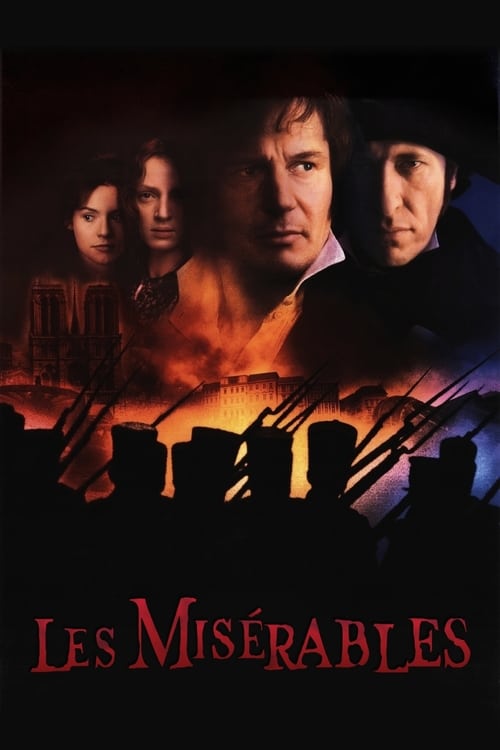
Les Misérables
1978
No user ratings available yet
Representation score: 4.0 out of 10
Representation Score
Fair
1998
PG-13Director
Bille August
Runtime
134 minutes
Average Rating
No ratings yetNew Showbiz Analysis
Bille August’s adaptation centers on the tension between individual morality and systemic structures. It primarily serves as a critique of class-based issues rather than identity-based ones, emphasizing the moral decision-making of those underrepresented by society. The film effectively dismantles state authority and the rigid legalism of characters like Javert. It portrays the protagonist’s struggles as essential responses to a flawed social system, providing a nuanced view of justice versus morality. However, the film is constrained by its historical context. It lacks racial, ethnic, and LGBTQ+ diversity, reflecting the social norms of the era without challenging them through modern casting.
Category Breakdown
The film follows 19th-century conventions where everyone is assumed to be straight or cisgender. There is no clear presence of queer themes or non-cisgender identities in this adaptation.
Fantine’s storyline highlights the exploitation of women by patriarchal systems, giving her a strong role in driving the story. However, female characters are mostly portrayed within the confines of domestic life and survival.
The casting reflects the homogeneous demographics of 19th-century France. The narrative emphasizes class divisions without much attention to racial or ethnic diversity.
The film criticizes systemic oppression and institutions that perpetuate inequality. Religious themes are used to facilitate personal growth rather than endorsing institutional dogma.
The story examines the physical hardships caused by poverty and malnutrition. Although no specific characters have diagnosed disabilities, the struggle against physical exhaustion is a central theme.
Present on Screen
Limited or Absent
Official Synopsis
In 19th century France, Jean Valjean, a man imprisoned for stealing bread, must flee a relentless policeman named Javert. The pursuit consumes both men's lives, and soon Valjean finds himself in the midst of the student revolutions in France.
1978

1997

2012

2000

1935
1981
1934
1995
No reviews yet. Be the first to share your thoughts on this movie!
Use the rating form above to leave a star rating and optional review.