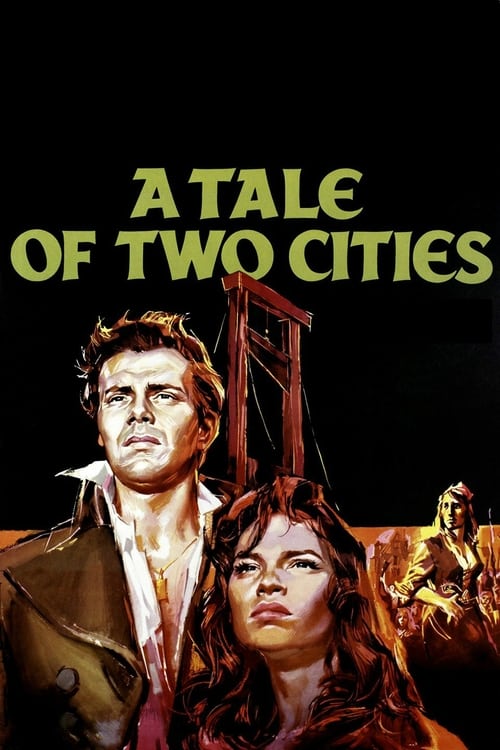
A Tale of Two Cities
1958
No user ratings available yet
Representation score: 1.7 out of 10
Representation Score
Limited
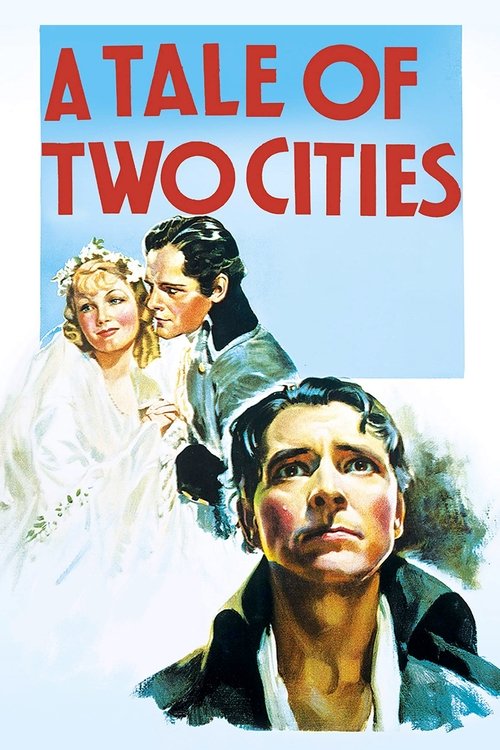
1935
ApprovedDirector
Jack Conway
Runtime
126 minutes
Average Rating
No ratings yetNew Showbiz Analysis
Jack Conway’s 1935 adaptation is a classic example of the Golden Age of Hollywood, emphasizing traditional narrative structures and romanticized historical conflicts. It focuses on individual sacrifice rather than social or identity-based disruption. The film reinforces traditional hierarchies, particularly regarding gender and race. While it offers a critique of aristocratic excess, it maintains a conservative view of social order by depicting revolutionary movements as destructive chaos. Overall, the production adheres to the era's standards, focusing on moral individualism within a homogeneous, heterosexual framework.
Category Breakdown
The film follows a strictly heterosexual framework, focusing on the romantic relationship between Charles Darnay and Lucie Manette. There is no indication of any queer relationships or subtexts.
Lucie Manette serves as the emotional anchor, but her role is defined by her devotion to men. The plot is driven by the struggles and actions of the male protagonists.
The cast is entirely composed of white actors, reflecting the Eurocentric setting and production standards of 1935. The film depicts a strictly white European social hierarchy without any ethnic diversity.
The film critiques the corruption of the aristocracy but portrays the revolution as chaotic mob behavior. It emphasizes individual moral redemption over systemic political change.
There is no significant representation of physical or neurodivergent disabilities. The character struggles are centered on psychological and socio-political themes rather than disability.
Present on Screen
Limited or Absent
Official Synopsis
Set against the conditions leading up to the French Revolution and the Reign of Terror, French doctor Alexandre Manette serves an 18-year imprisonment in the Bastille in Paris, followed by his release to live in London with the daughter he has never met.
1958
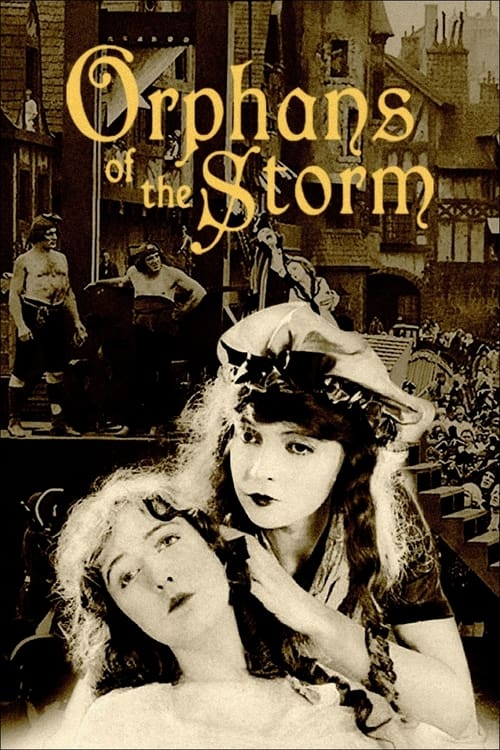
1921
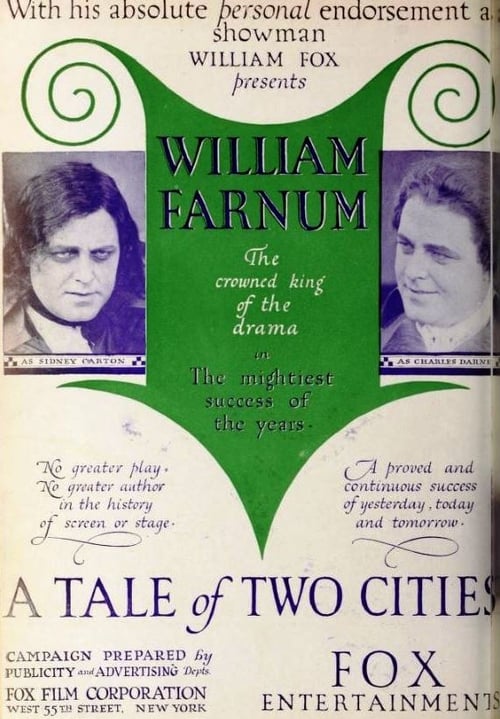
1917
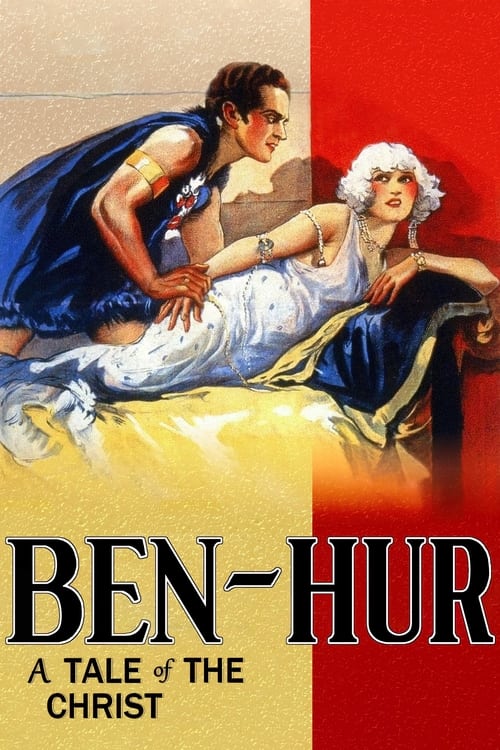
1925

1980

1937

1935

1998
No reviews yet. Be the first to share your thoughts on this movie!
Use the rating form above to leave a star rating and optional review.