
A Tale of Two Cities
1980
No user ratings available yet
Representation score: 4.7 out of 10
Representation Score
Minimal
1958
Director
Ralph Thomas
Runtime
115 minutes
Average Rating
No ratings yetNew Showbiz Analysis
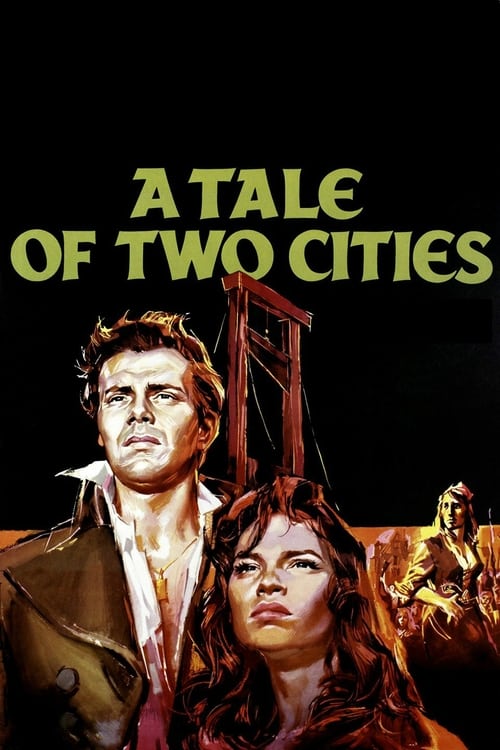
This 1958 production is a classical period drama that prioritizes historical fidelity over modern social deconstruction. It adheres to the cinematic conventions of its era, focusing on traditional narrative structures and established social norms. While the film lacks representation of diverse identities, it succeeds in its thematic exploration of class-based oppression and institutional corruption. The story provides a nuanced look at historical upheaval driven by systemic inequality. Ultimately, the film functions as a study of historical tragedy rather than a vehicle for progressive identity politics, remaining firmly rooted in its mid-20th-century production context.
Category Breakdown
The film follows a traditional framework that assumes everyone is straight or cisgender. There are no depictions of LGBTQ+ identities or same-sex intimacy.
Lucie Manette serves as a traditional moral anchor, yet female characters engage in political dialogue. However, their roles remain largely reactive to the male protagonists.
The cast is homogeneous, reflecting the demographic realities of the late 18th-century European landscape. It maintains a traditional Western-centric lens without diverse casting.
The narrative offers a sophisticated critique of systemic power, portraying the aristocracy and Church as oppressive institutions. It explores the tragic consequences of systemic inequality.
There are no discernible depictions of physical or neurodivergent disabilities. Characters are presented through a lens of physical capability.
Present on Screen
Limited or Absent
Official Synopsis
Set against the conditions leading up to the French Revolution and the Reign of Terror, French doctor Alexandre Manette serves an 18-year imprisonment in the Bastille in Paris, followed by his release to live in London with the daughter he has never met.
1980

1921

1935

1994

2001

2023
1984

2015
No reviews yet. Be the first to share your thoughts on this movie!
Use the rating form above to leave a star rating and optional review.