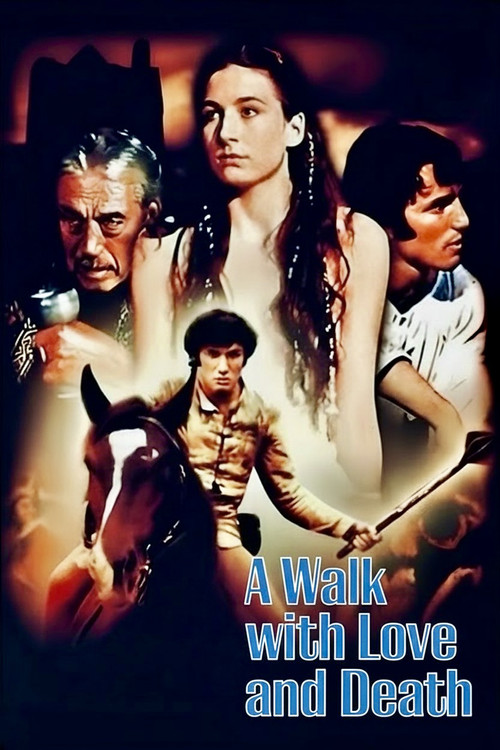
A Walk with Love and Death
1969
No user ratings available yet
Representation score: 1.9 out of 10
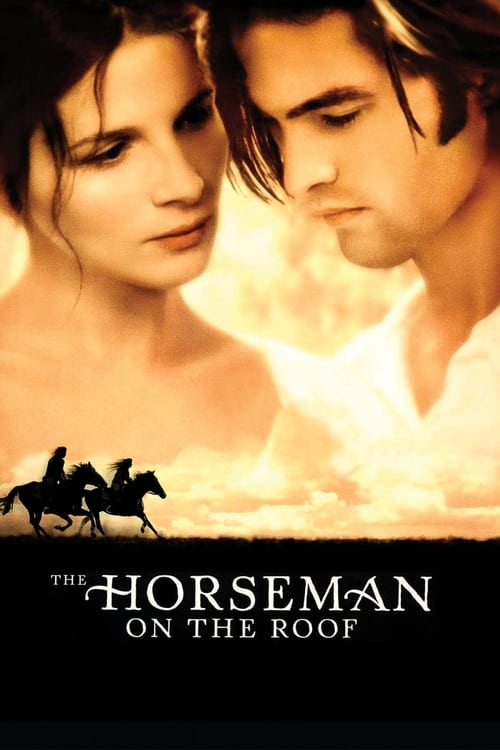
Representation Score
Fair
1995
RDirector
Jean-Paul Rappeneau
Runtime
135 minutes
Average Rating
No ratings yetNew Showbiz Analysis
The film shines in its critique of social and gender hierarchies, offering a more nuanced perspective on period dramas compared to typical entries. By giving the female lead significant autonomy and critiquing class structures, it goes beyond simple historical retelling to offer social commentary. However, the historical setting limits the representation of LGBTQ+ identities and racial diversity. Additionally, disability is used more as a plot device than a means to explore character development.
Category Breakdown
The film focuses solely on heterosexual relationships and does not depict any non-traditional gender identities or same-sex relationships.
Angélique stands out as a strong, independent woman who defies traditional gender roles. She uses her emotional and strategic intelligence to navigate her situation independently.
Reflecting the demographics of 18th-century Provence, the film accurately portrays a homogeneous society without diverse ethnic representation.
The film critiques rigid class hierarchies and aristocratic structures, highlighting the tension between personal morality and societal oppression.
Cholera is shown as a widespread health issue affecting many, but disability is used mainly as a plot device to increase the historical stakes rather than providing meaningful character development.
Present on Screen
Limited or Absent
Official Synopsis
In a time of war and disease, a young officer gallantly tries to help a young woman find her husband.
1969

1939
2004
1968
1949

1970
1974

1964
No reviews yet. Be the first to share your thoughts on this movie!
Use the rating form above to leave a star rating and optional review.