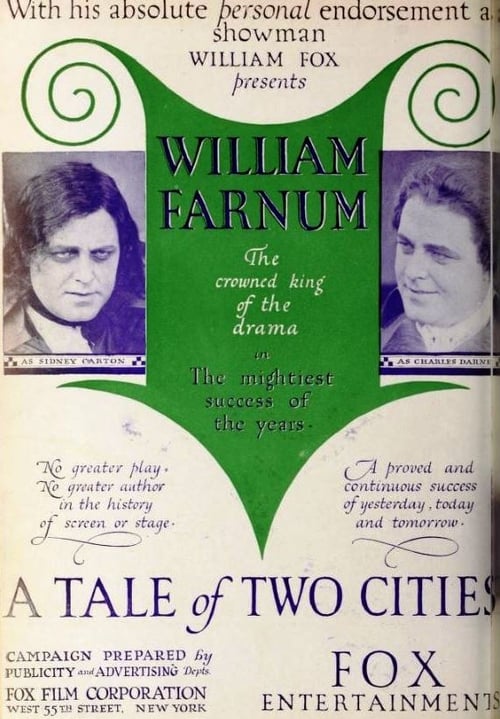
A Tale of Two Cities
1917
No user ratings available yet
Representation score: 2.6 out of 10
Representation Score
Limited
1990
16+Director
Jean Mathieson, Al Guest
Runtime
47 minutes
Average Rating
No ratings yetNew Showbiz Analysis
This adaptation of Dickens' classic operates as a traditional historical drama. Its strength lies in portraying the systemic upheaval and class conflicts inherent to the French Revolution, providing a framework to explore moral ambiguity and social instability. However, the production lacks intentional diverse casting. Character dynamics and demographic portrayals remain anchored to 19th-century literary norms, offering limited subversion of established gender or identity hierarchies. Ultimately, the film prioritizes narrative faithfulness to the source material over contemporary inclusive representation, resulting in a production that is culturally reflective of its era but socially conservative.
Category Breakdown
The story revolves around a heterosexual love triangle involving Sidney Carton, Charles Darnay, and Lucie Manette. There is no representation of non-straight or non-cisgender identities, nor does it critique traditional romantic narratives.
Lucie Manette serves as the emotional center for the male protagonists. Her role adheres to the 'eternal muse' cliché, where women's influence is expressed through moral guidance rather than political action.
Set in 18th-century London and Paris, the production mirrors the demographic uniformity of that time period. It seems to adhere to conventional historical casting practices without notable diversity.
The narrative delves into the dissolution of monarchy and religious authority during the French Revolution. It examines the tension between personal morality and the chaotic restructuring of society.
None of the characters face specific physical or neurodivergent conditions. Sidney Carton's alcoholism is portrayed as a personal struggle rather than a detailed exploration of disability.
Present on Screen
Limited or Absent
Official Synopsis
Sidney Carton, alcoholic London lawyer and his french nobleman client Charles Darnay both love Lucie Manette. In Paris the French Revolution and his resemblance to Darnay, create a major decision to give Lucie and Charles a life together.
1917
1983
1958
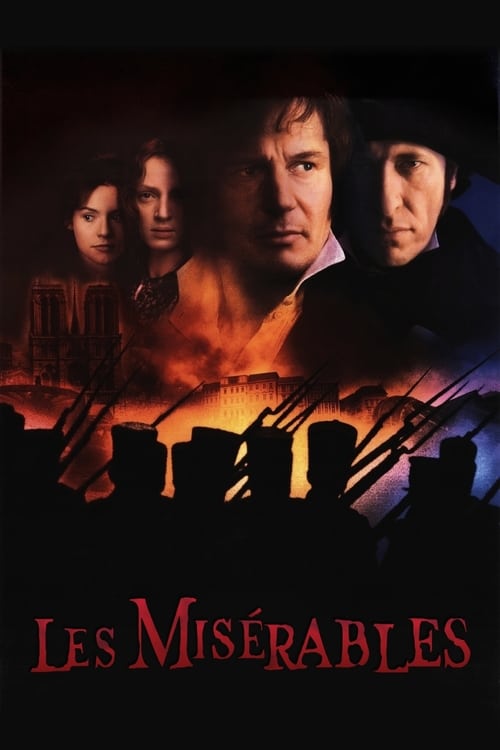
1998
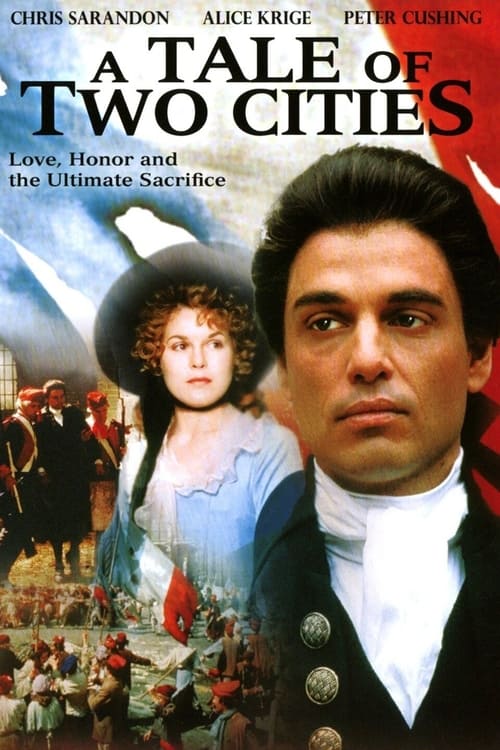
1980
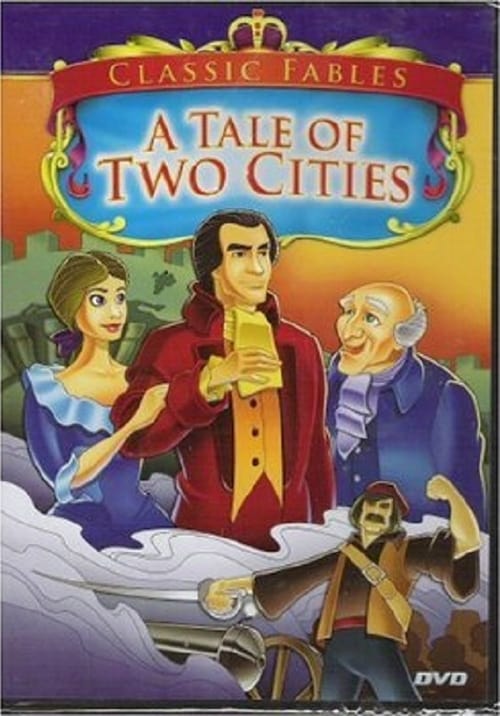
1984
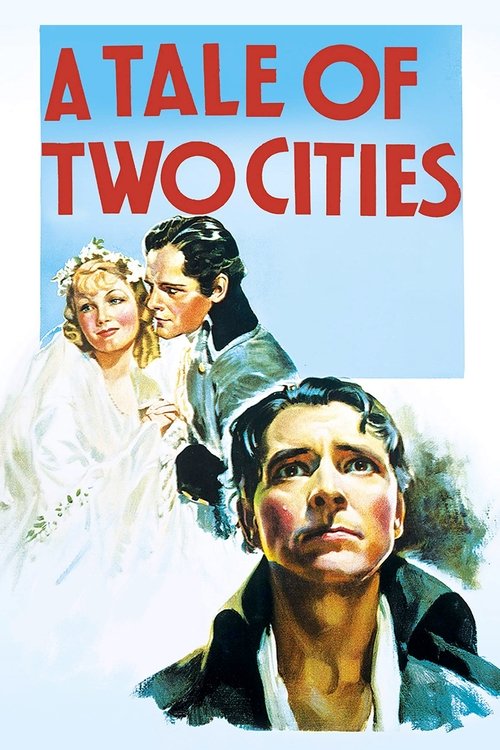
1935

1982
No reviews yet. Be the first to share your thoughts on this movie!
Use the rating form above to leave a star rating and optional review.