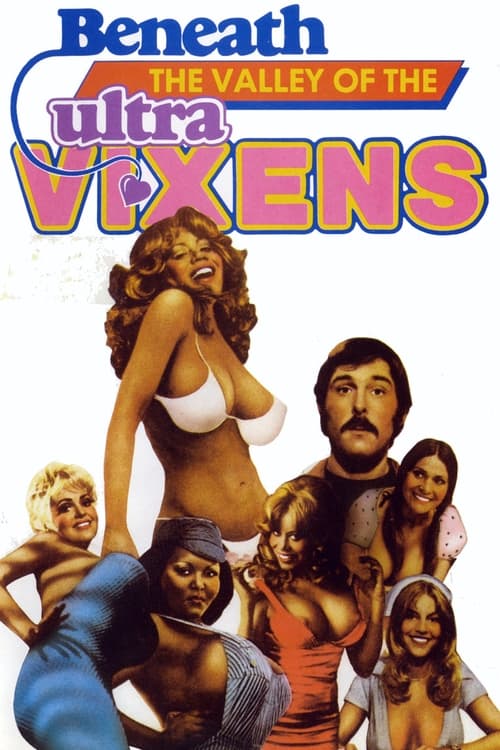
Beneath the Valley of the Ultra-Vixens
1979
No user ratings available yet
Representation score: 4.2 out of 10
Representation Score
Fair
1976
NC-17Director
Russ Meyer
Runtime
81 minutes
Average Rating
No ratings yetNew Showbiz Analysis
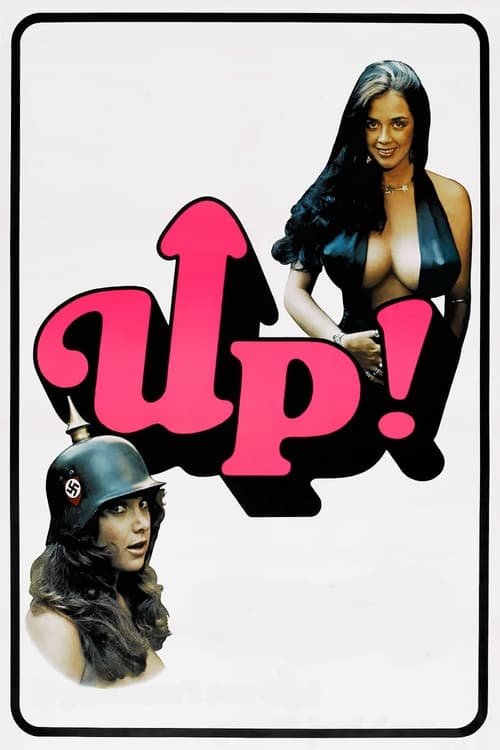
Up! serves as a transgressive sexploitation comedy that emphasizes physical spectacle over character development. While it challenges traditional gender hierarchies by highlighting strong women, it remains confined by the stylistic limitations of its time. The film's strength lies in its defiance of conventional moral structures and its focus on female sexual autonomy. These elements create a sense of cultural rebellion against institutional norms. However, the demographic range is limited. The absence of diverse ethnic perspectives, LGBTQ+ representation, and disability-focused narratives restricts a more inclusive viewing experience.
Category Breakdown
The film does not include stories focused on non-straight identities or same-sex relationships. It follows the typical heterosexual norms of 1970s adult comedies.
Strong, sexually confident female characters challenge traditional submissive roles through their active presence. However, their empowerment is often presented through a hyper-sexualized male perspective.
The cast is mostly made up of actors from similar backgrounds, reflecting the narrow demographic focus of 1970s exploitation cinema. There is a noticeable lack of diverse ethnic perspectives.
The story questions traditional Western morality by emphasizing pleasure over religious values. It depicts conventional social norms as barriers to be overcome.
There are no characters with visible or invisible disabilities. The film does not explore themes related to disabilities or offer neurodivergent representation.
Present on Screen
Limited or Absent
Official Synopsis
Adolf Hitler is hiding out in California under the identity of Adolf Schwartz; however, he is soon murdered by a mysterious assailant. This coincides with the arrival of a mysterious woman in a nearby town. Whatever the case might be, nobody seems interested in investigating the crime, but there are many who are interested in her.
1979

1974
1968
1969
1961
1969
1962
1986
No reviews yet. Be the first to share your thoughts on this movie!
Use the rating form above to leave a star rating and optional review.