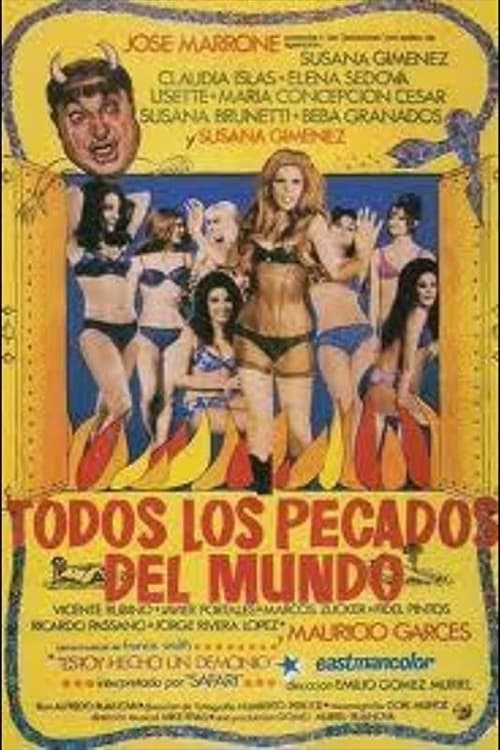
Todos los pecados del mundo
1972
No user ratings available yet
Representation score: 4.0 out of 10
Representation Score
Limited
1971
Not RatedDirector
Graham Stark
Runtime
106 minutes
Average Rating
No ratings yetNew Showbiz Analysis
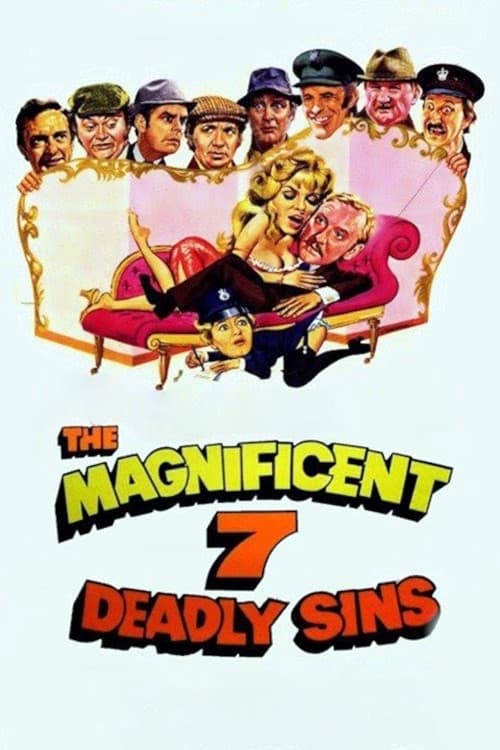
The film focuses on undermining religious and moral certainties through satire and the deconstruction of social norms. However, it offers very little in terms of racial, LGBTQ+, or disability-based representation. Instead, it serves as a critique of systemic morality rather than a platform for diverse identities.
Category Breakdown
The film does not include any explicit representations of non-straight identities or same-sex relationships. It operates within the comedic conventions typical of the early 1970s.
Gender roles are portrayed through a lens of farce and satire. Traditional masculine archetypes are mocked by placing them in absurd or incompetent situations.
The cast and setting are predominantly white and Anglo-Saxon. There is no indication of significant racial diversity or multicultural perspectives in the narrative.
The film effectively critiques traditional morality and religious frameworks using satirical vignettes. It highlights the hypocrisy of moral institutions and dogmatic codes through humor.
There are no specific characters or plot points involving physical or neurodivergent disabilities to evaluate.
Present on Screen
Limited or Absent
Official Synopsis
A septet of satirical vignettes based on the Seven Deadly Sins.
1972
1960
1962
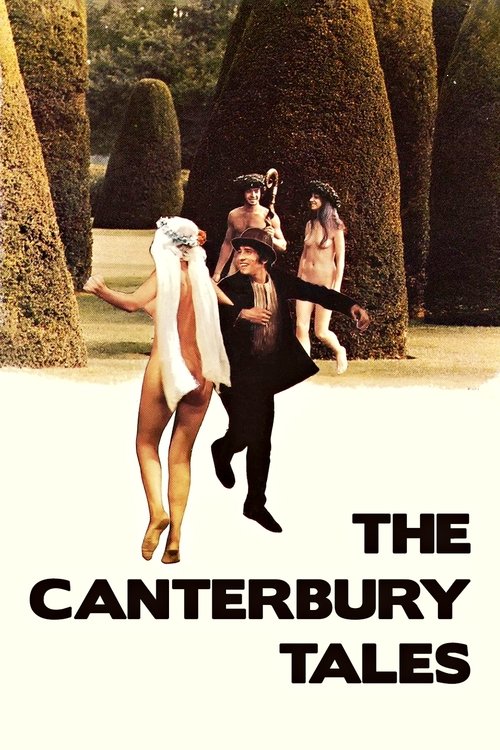
1972
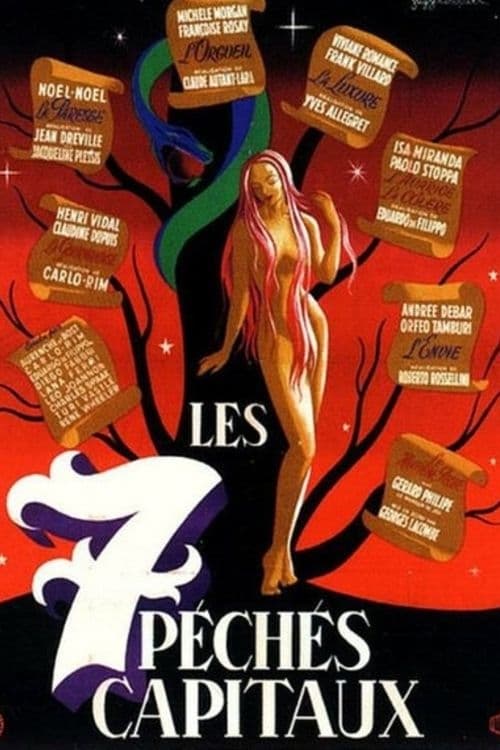
1952
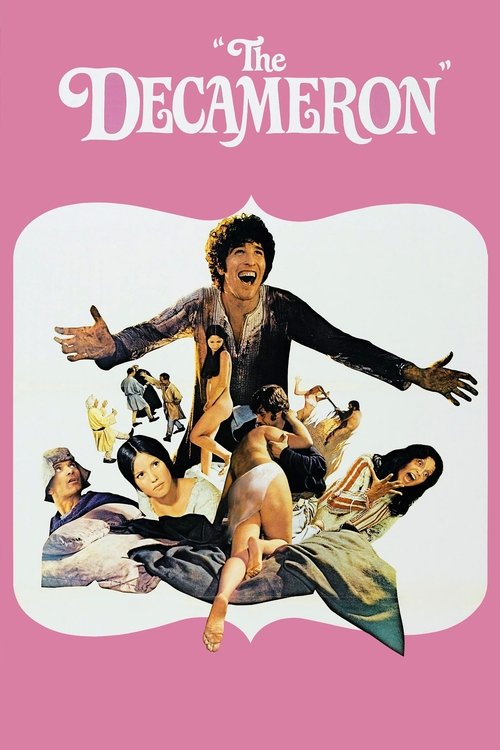
1971
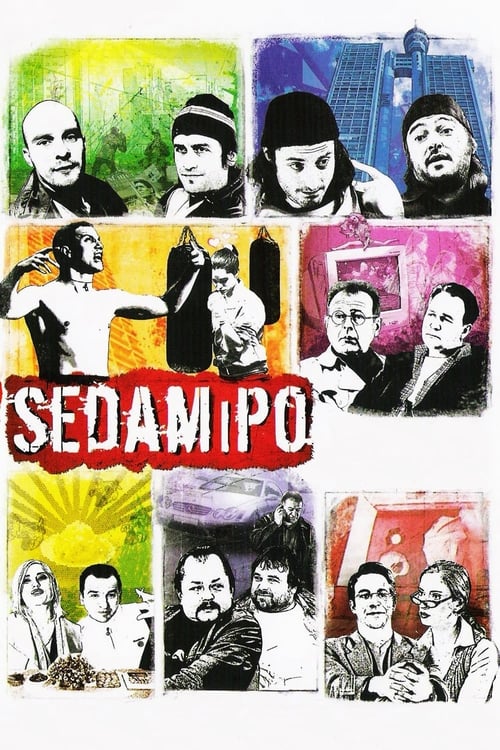
2006
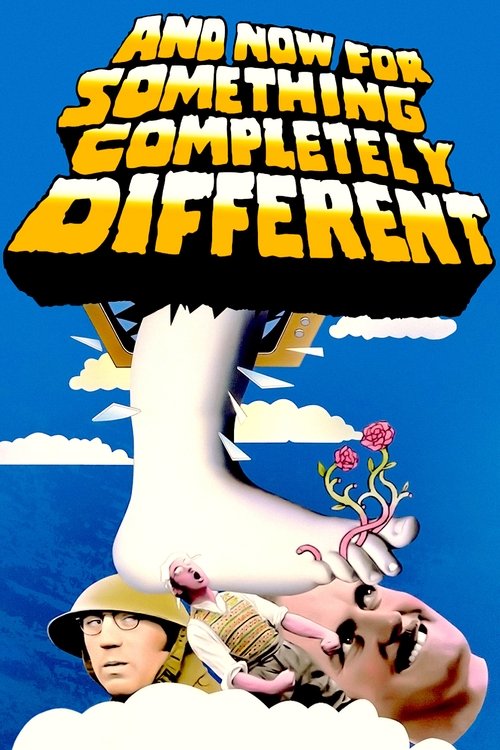
1971
No reviews yet. Be the first to share your thoughts on this movie!
Use the rating form above to leave a star rating and optional review.