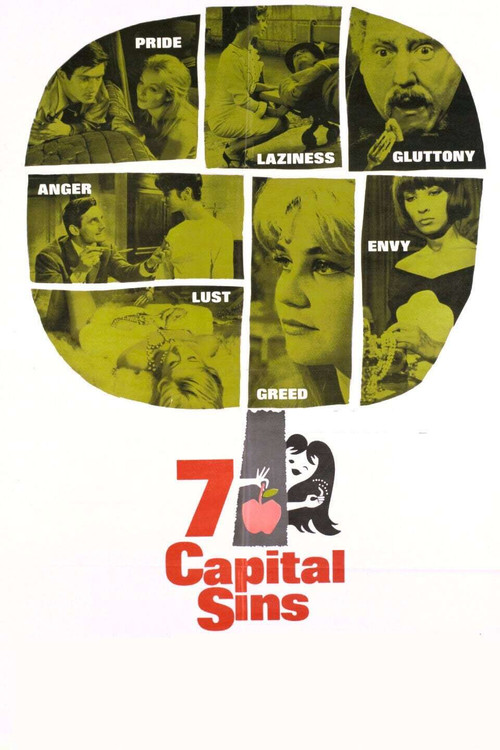
The Seven Deadly Sins
1962
No user ratings available yet
Representation score: 5.7 out of 10
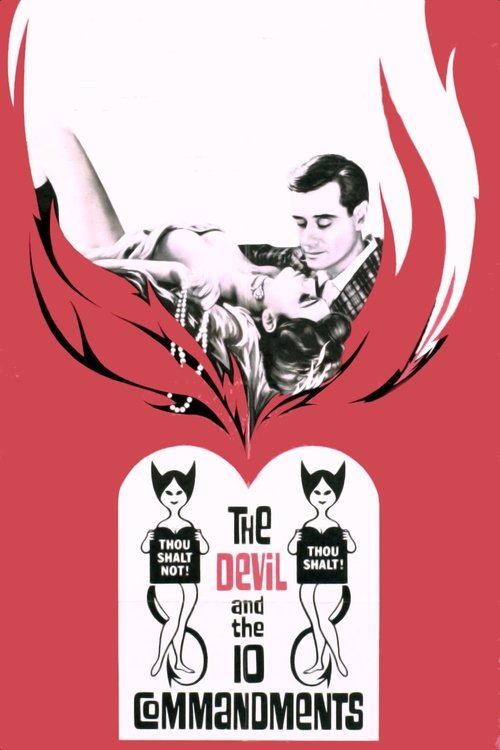
Representation Score
Limited
1962
Director
Julien Duvivier
Runtime
120 minutes
Average Rating
No ratings yetNew Showbiz Analysis
The film serves as a cynical social critique of human fallibility rather than a diverse representation of identities. It prioritizes the exploration of moral decay and systemic failure over characters who reflect more than one aspect of diversity. While the anthology format allows for varied social themes, the perspectives remain largely centered on a homogeneous European demographic. The narrative often uses female characters as catalysts for male emotional arcs, limiting their independent roles.
Category Breakdown
The film does not explicitly depict LGBTQ+ identities. Instead, it focuses on traditional romantic relationships and family conflicts.
The film engages with gendered social roles through a traditional lens. While it critiques patriarchal exploitation, female characters are often used to drive male emotional arcs.
The production reflects a homogeneous European society. There is no evidence of racial diversity or non-white casting.
The film explores moral relativism by using a Devil figure to examine human transgressions. It presents a skeptical view of traditional religious institutions.
There is no information regarding the depiction of physical or neurodivergent disabilities in the film.
Present on Screen
Limited or Absent
Official Synopsis
The film consists of seven roughly 15 minute episodes, each showing what will happen if one or more of the Ten Commandments will be broken: Jérome Chambard is warned that he will lose his job if he continues to swear; Françoise Beaufort enamored of a stripper calls on her only to find her married to a janitor who doesn't know what kind of dancing his wife performs; Denis, a Jesuit novice, leaves the order to avenge his sister's suicide, which was provoked by Garigny, who seduced her into prostitution and drug addiction; Philip buys a necklace for Micheline though he is bored with her; a young man find out that his real mother is not Madeleine, but actress Clarisse Ardant; Didier Marin, cashier of a bank, was fired by his boss; the Devil appears as a serpent for Jérome Chambard and the bishop are eating.
1962
1971
1972
1960

1979
1982

1948
1980
No reviews yet. Be the first to share your thoughts on this movie!
Use the rating form above to leave a star rating and optional review.